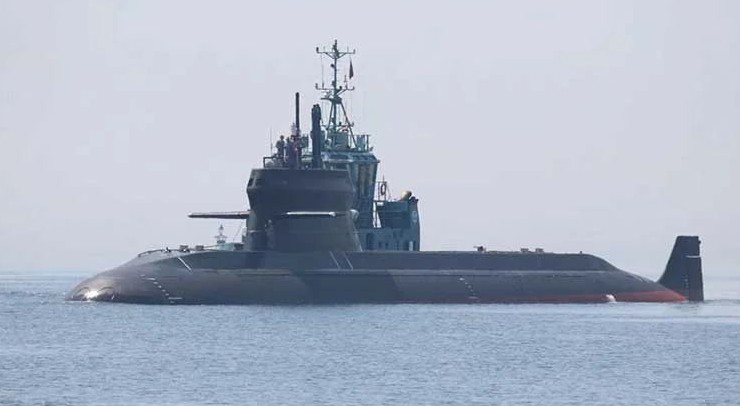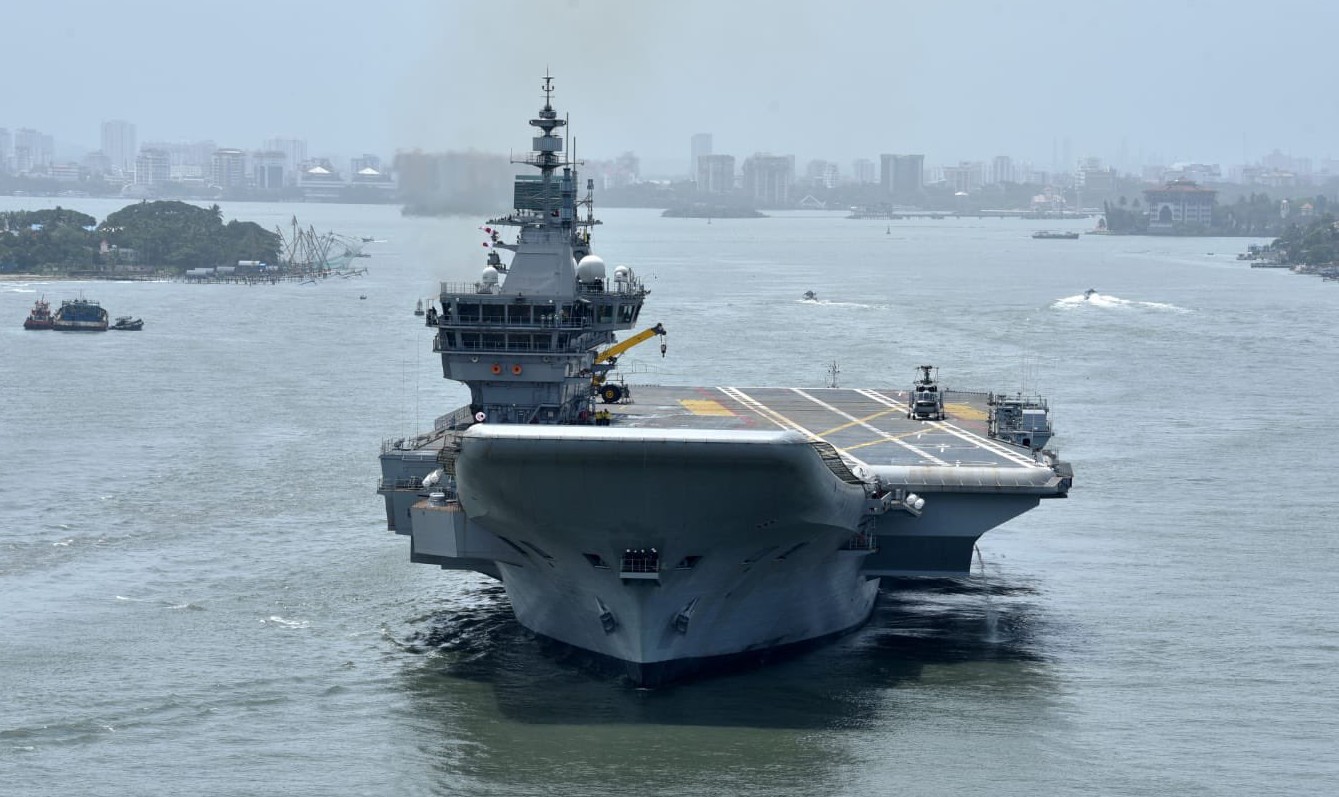
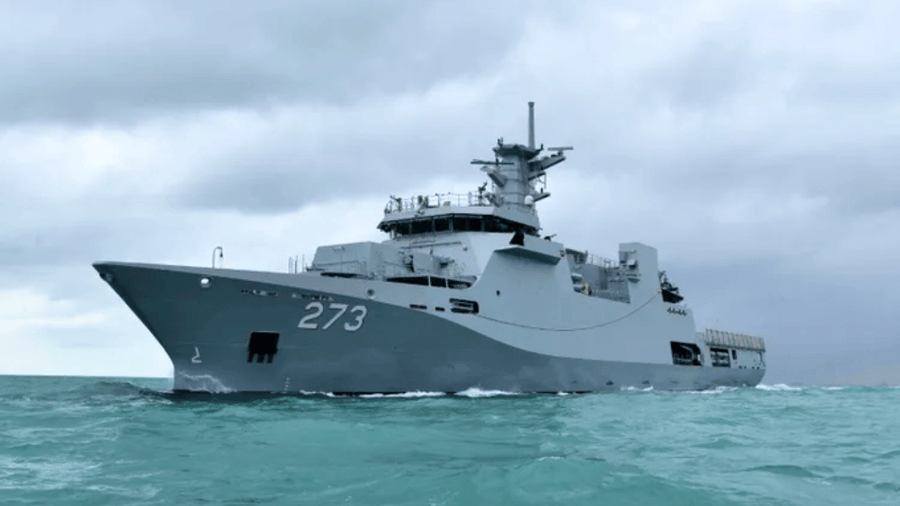
If Tuesday's collision felt oddly familiar, that's because it was. Strip away the ship names and the date, and this week's incident reads like a rerun of a diplomatic row Pakistan's Navy last generated fifteen years ago.
In 2011, PNS Babur, a Tariq-class destroyer, came close enough to the Indian frigate INS Godavari to damage one of its helicopter nets. India lodged a formal protest through the Pakistani High Commission, citing unsafe and unprofessional manoeuvring. Fifteen years on, the language in New Delhi's protest over this week's collision reads almost identically. Different ship, different decade, same characterisation of the conduct, same summoned diplomat, same script.
They say that history doesn't repeat, but apparently Pakistani frigates do.
What changes between these episodes is context, not conduct. The current incident lands amid heightened tension following last year's Operation Sindoor, the most serious India-Pakistan military exchange in years, which means Islamabad's navy is operating close to Indian warships at precisely the moment both governments have the least patience for miscalculation. That is either remarkably poor timing or a deliberate signal, and neither explanation reflects particularly well on Pakistan Navy's judgment.
Repetition changes how incidents get read diplomatically. A single collision, taken on its own, gets treated as an operational failure: a bridge crew misjudging speed and distance on one bad evening. But when a near-identical manoeuvre produces a near-identical diplomatic protest a decade and a half later, the more interesting question isn't whether either individual incident was deliberate, it's why nothing appears to have changed in the interim; not training, not standing orders, not whatever accountability process, if any, followed the first episode.
It is worth noting what has not repeated: India's response. Both in 2011 and this week, New Delhi's playbook has been consistent and, frankly, a little boring by design. Summon the diplomat, issue the protest, cite the relevant agreement, avoid escalation, resume patrols. No retaliatory manoeuvres, no matching close passes, no naval brinkmanship of its own. For a navy that keeps getting bumped into across two different decades, the Indian Navy has managed to look remarkably like the only adult in this particular stretch of ocean.
If the pattern holds, there is a reasonable chance this same article gets written again someday with a new date and a new ship name substituted in. That is not a prediction anyone should want to make about a nuclear-armed neighbour's naval discipline, but a decade and a half of precedent is not currently arguing otherwise.
Defence analysts tend to draw a sharp line between an operational failure and a doctrinal one, and the distinction matters here. An operational failure is a single bridge crew's bad evening. A doctrinal pattern is what emerges when the same failure recurs across different ships, different crews and different years without any visible change in training, standing orders or command accountability. A near-identical manoeuvre producing a near-identical diplomatic protest fifteen years apart sits closer to the second category than naval planners on either side would probably like to admit publicly.
There is also a quieter cost to repetition that rarely makes the headlines: insurance and risk assessment. Shipping insurers, defence attaches and maritime security consultancies that track this corridor for a living do not need a formal doctrine paper to notice a recurring pattern. Each additional incident, however widely spaced, nudges the region's risk profile a little further from "occasional friction" toward "known hazard," and that reclassification, once made, tends to be sticky regardless of how any individual collision gets resolved diplomatically.