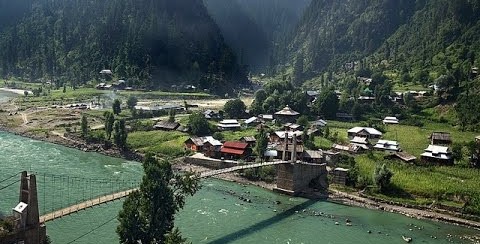
 Image for representational purpose (Photo: X)
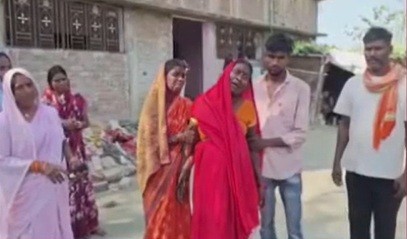
New Delhi: Jammu and Kashmir (J&K) and Pakistan-occupied Jammu and Kashmir (PoJK) draw on the same river system and both have large hydropower capacity. Their experience of electricity could hardly be more different. In J&K, supply is largely steady. In PoJK, residents have staged public protests in which they burned their electricity bills.
Supply and consumption
PoJK has 3,205 MW of commissioned hydropower capacity. Yet in 2024 it could supply only 330 MW against local demand of 400 MW. Other Pakistani estimates put demand at about 350 MW in summer and close to 600 MW in winter. A Pakistani commentator has described the shortages, which have lasted more than five years, as a structural failure rather than a shortage of resources.
J&K, by comparison, meets 98.6% of its demand from 3,540 MW of capacity spread over 32 projects. It is aiming for 7,315 MW by 2030-31. An average J&K resident uses 1,532 kWh a year, while a PoJK resident uses 408 kWh – 3.7 times less – despite living near some of Pakistan's largest dams.
J&K is also investing ahead. Its latest budget funds the 850 MW Ratle project, and it aims for 100% smart metering in urban areas by December 2026. Its budget of about ₹1,13,767 crore is roughly 11 times PoJK’s.
PoJK puts its untapped potential at about 8,295 MW but has no comparable construction programme to show for it.
A vote on one side, a ban on the other
The deeper gap is political. J&K's residents elect five members to the Lok Sabha as well as their own assembly. The 2024 Assembly elections recorded 63.88% turnout, and the Lok Sabha vote saw the highest turnout in 35 years. Voters who are unhappy with power policy can say so at the ballot box.
PoJK has no seats in Pakistan’s parliament, and its laws bar politics that oppose accession to Pakistan. Its biggest plants, Mangla and Neelum-Jhelum (969 MW), are run by federal bodies and feed the national grid. People living beside the dams have no say in how the electricity is priced.
What followed the protests
The Joint Awami Action Committee (JAAC) was formed in September 2023 with a 10-point charter. Nine points were settled, but the electricity tariff was treated as a federal matter, so PoJK’s own government could not act on the issue that mattered most to residents.
In May 2024 the JAAC demanded that tariffs be linked to the cost of producing power at Mangla. Authorities arrested its leaders to pre-empt a planned demonstration, which deepened public anger and led to deadly clashes. Islamabad approved a grant of Rs 23 billion (₹2,300 crore, about $82 million) only after that.
Unrest continued. In October 2025, protests over elite privileges and 12 assembly seats reserved for refugees living in Pakistan left at least 10 people dead, amid a communications blackout.
In 2026 the authorities banned the JAAC under anti-terrorism laws and revived 177 criminal cases against its members. When the territory voted that summer, the group was missing from the ballot, and members who tried to contest as independents had their nominations rejected.
Dues that remain unpaid
PoJK’s claim to a share of its own water wealth has gone unresolved for decades. Under Article 157 of Pakistan’s constitution, net hydel profit goes to the provinces, and Azad Jammu and Kashmir's (AJK) constitutional status has been cited as the reason it has not received Mangla royalties. A water-use charge of about Rs 1.10 a unit has since been agreed.
However, years after Neelum-Jhelum began commercial operation in 2018, a panel could agree only in principle to pay from the commissioning date. AJK and the centre still differ over whether a 2022 amendment covers the project.
PoJK has little leverage to press its case. Its Rs 286 billion budget (₹28,600 crore) relies on a Rs 146 billion federal grant, against Rs 75.2 billion raised from local taxes.
The comparison is stark. J&K supplies nearly all its own demand, consumes 3.7 times as much electricity per person and lets residents vote on energy policy.
PoJK has the dams but also the shortages, the unpaid dues and the bans. The Rs 23 billion grant brought calm, not a settlement, and residents are still waiting to benefit from their own rivers.