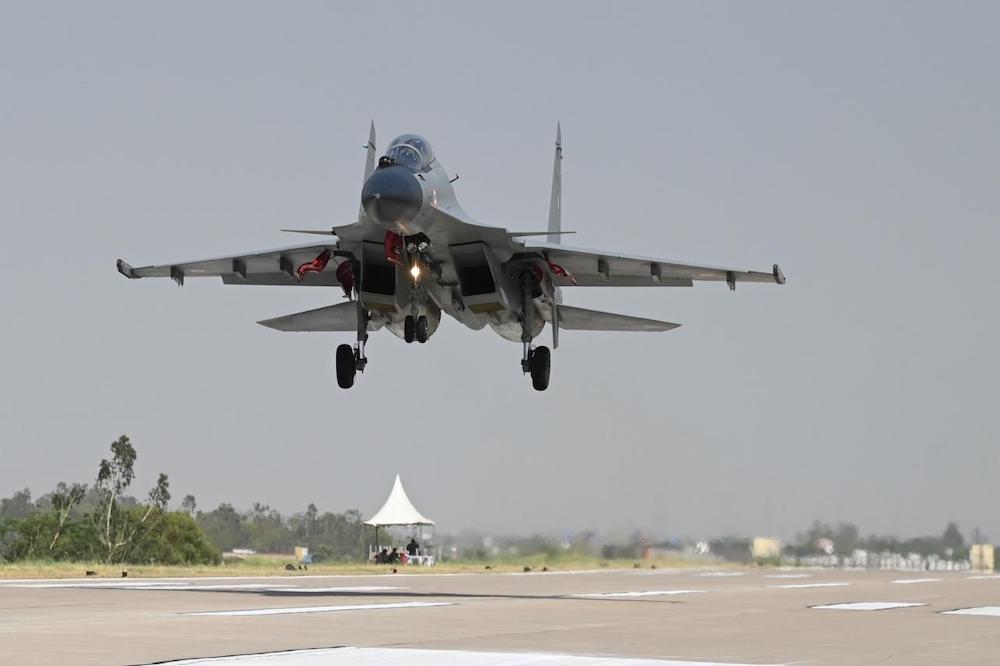
 A Sukhoi-30MKI landing on a stretch of the Purvanchal Expressway in UP’s Sultanpur. (Photo: IAF)
New Delhi/Sultanpur (UP): The Indian Air Force has carried out emergency landing drills on the Purvanchal Expressway in Uttar Pradesh’s Sultanpur district, on Wednesday. During the drills, IAF aircraft used the highway both as a daytime and nighttime runway in what the force described as a test of its ability to sustain operations when conventional airbases are unavailable.
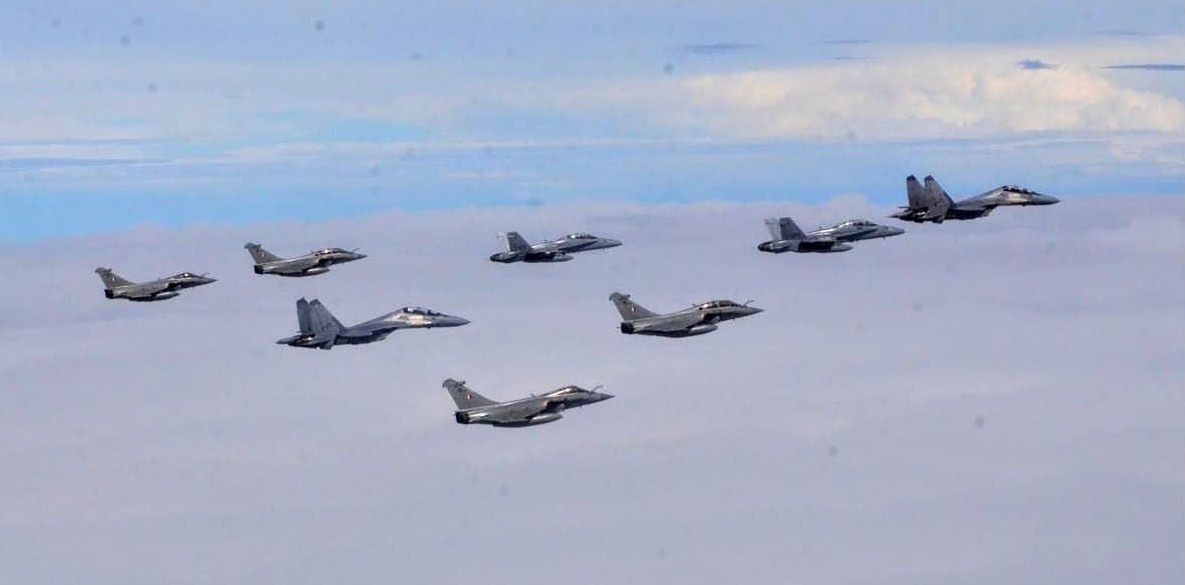
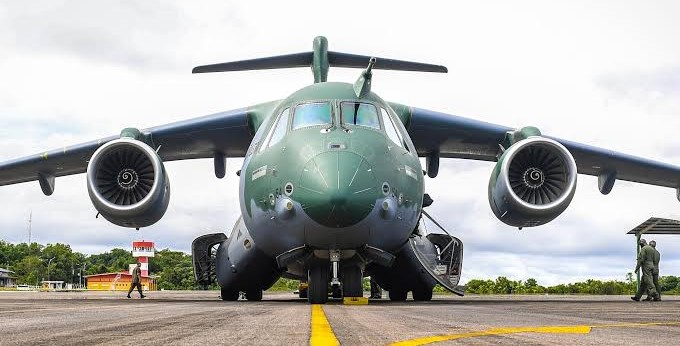
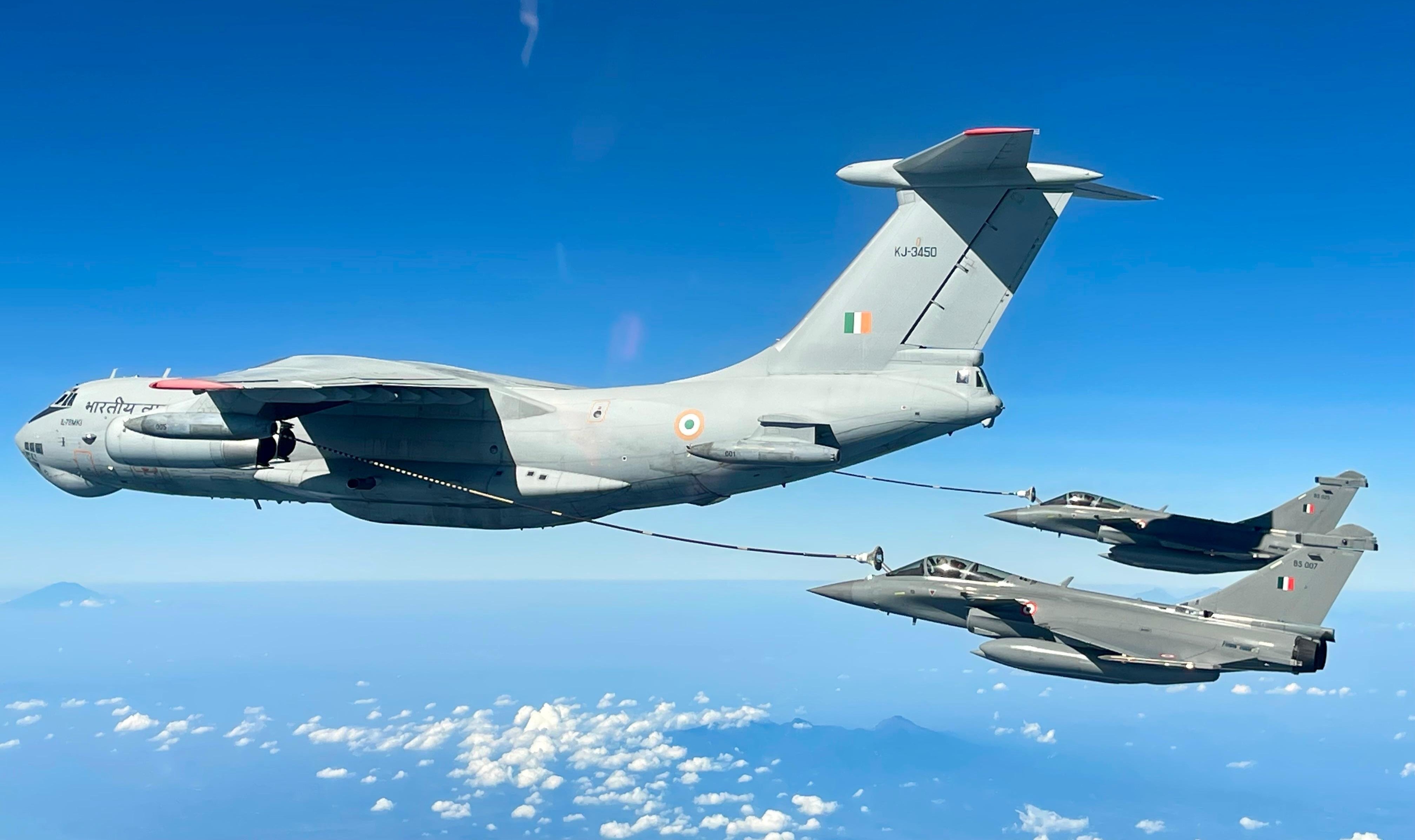
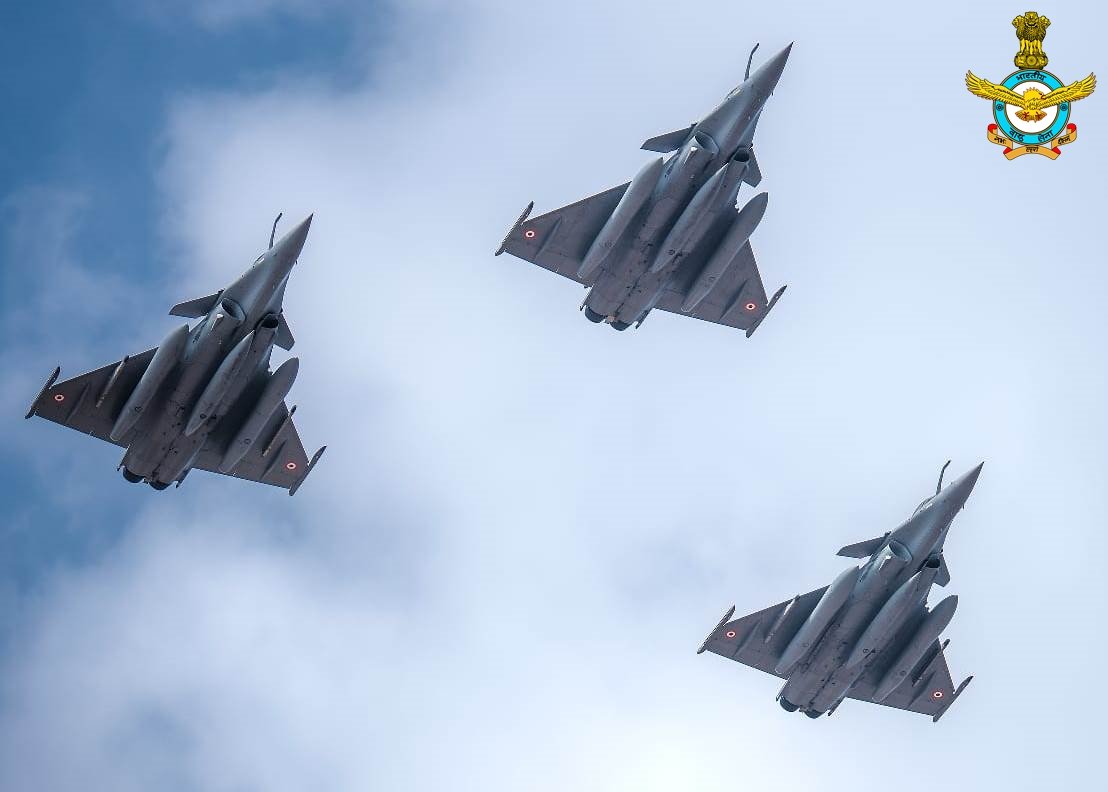
The exercise brought together a varied mix of platforms: Jaguar ground-attack jets, Mirage 2000 fighters, Sukhoi-30 MKI multirole aircraft, the C-295 tactical transport that the Air Force has been inducting in recent years to replace its aging Avro fleet, and the AN-32 workhorse transport. Mi-17 V5 helicopters and a Garud commando team also participated, underscoring that the exercise was not merely a flying display but a rehearsal of full-spectrum airfield operations, including ground security.
The Air Force coordinated the drills with the Uttar Pradesh Expressways Industrial Development Authority (UPEIDA), which manages the expressway network, and local civil administration. Together, the three agencies validated standard operating procedures for activating such emergency landing facilities (ELFs) at short notice – a process that involves clearing and marking the carriageway, deploying lighting for night operations, and coordinating with local authorities on road closures.
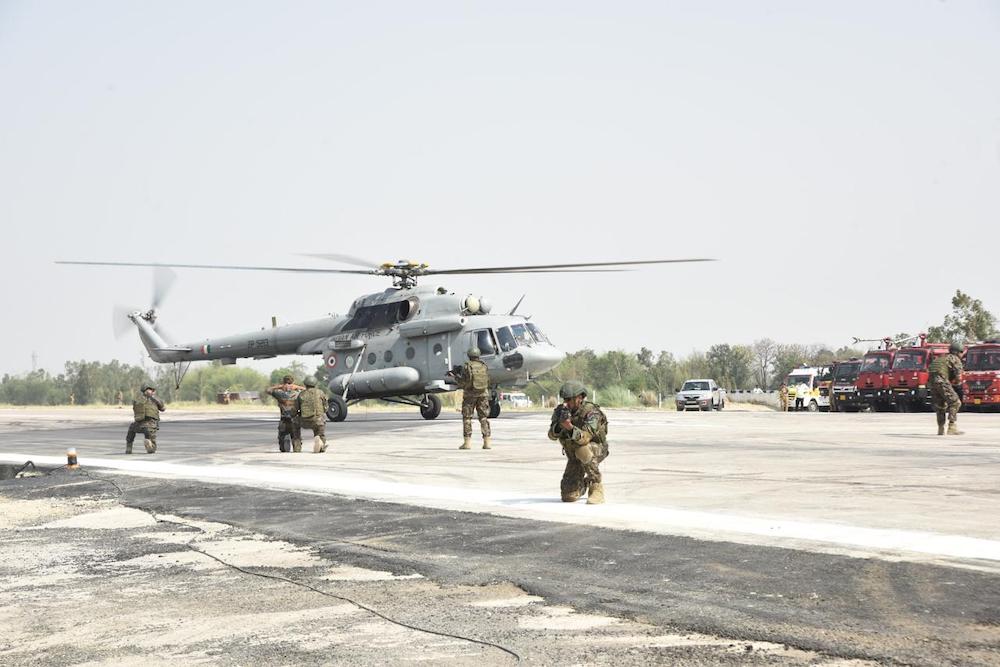 An Indian Air Force Mi-17 V5 seen with Garud commandos during the exercise on Purvanchal Expressway. (Photo: IAF)
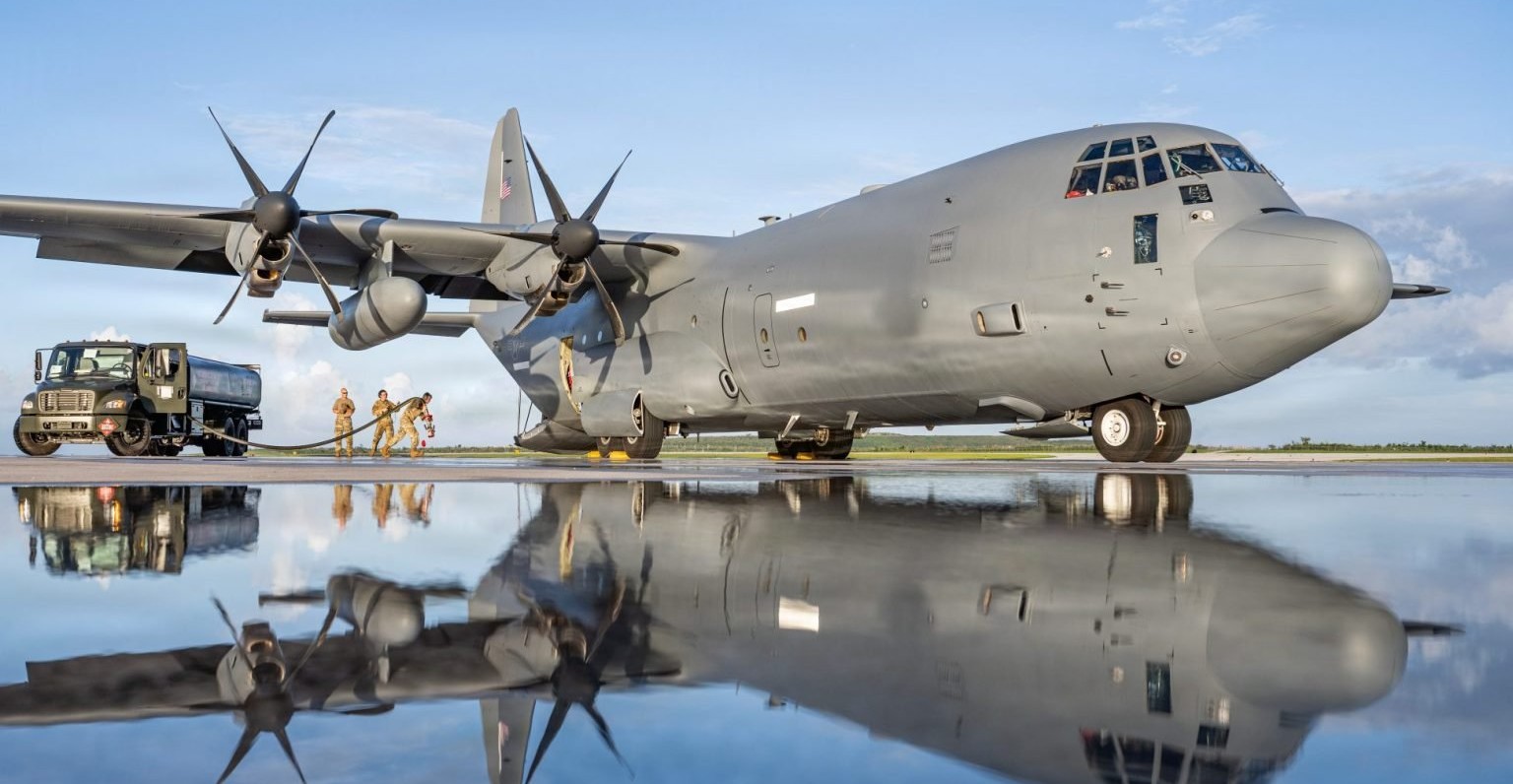
India has been developing highway airstrips for decades, but the programme has accelerated in recent years. In November 2021, the Air Force conducted a similar exercise on the Lucknow-Agra Expressway, also in Uttar Pradesh, landing a C-130J Super Hercules and Mirage-2000 jets on the highway. The Purvanchal Expressway, a 341-kilometre, six-lane corridor that connects Lucknow to Ghazipur, was inaugurated by the prime minister, Narendra Modi, in November 2021, and its design incorporated a dedicated airstrip stretch from the outset.
The strategic rationale is straightforward: in a conflict, airbases are among the first targets. Expressway airstrips are harder to locate and destroy, and their large number across the country makes attrition-based targeting far more difficult for an adversary. For India, which shares active disputed borders with both China and Pakistan, the ability to disperse air assets and operate from unprepared or semi-prepared surfaces has long been a planning priority.
Officials also pointed to the exercise’s relevance for humanitarian assistance and disaster relief (HADR). Uttar Pradesh is prone to flooding during the monsoon, and the ability to land heavy transports and helicopters on an expressway could prove critical if flood damage renders local airfields unusable.
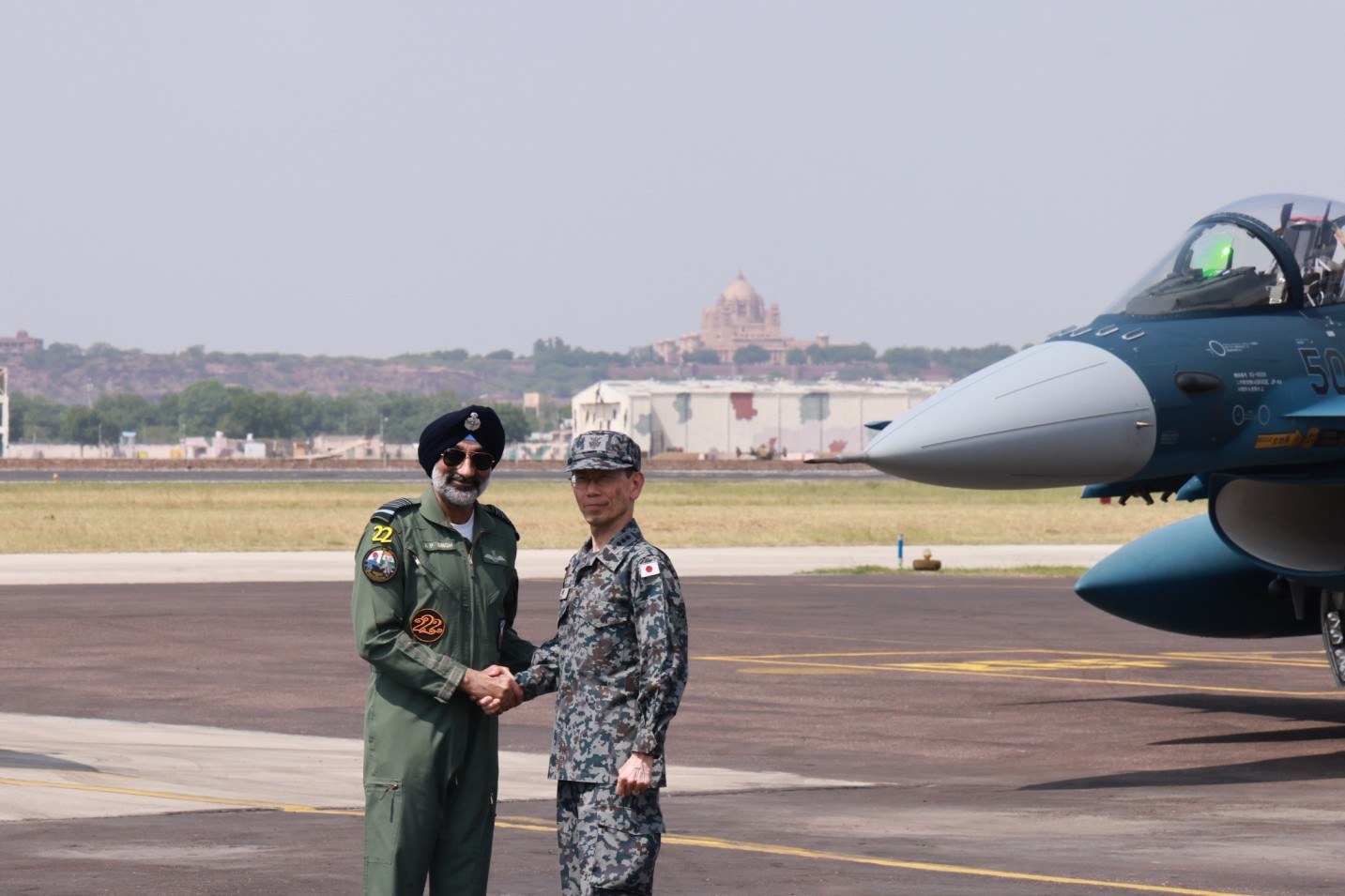
Air Marshal B Manikantan, air officer commanding-in-chief of the Central Air Command, oversaw the exercise. Also present were Om Prakash Rajbhar, a cabinet minister in the Uttar Pradesh government, and Deepak Kumar, chief executive officer of UPEIDA.
India is not alone in pursuing this capability. China has conducted numerous exercises landing fighter jets on expressways, particularly in its western regions near the Tibetan plateau. Pakistan, too, has designated highway stretches for emergency landings.
The Purvanchal exercise signals that the Air Force is keeping pace with regional practice while also building the institutional muscle memory – through documented procedures and multi-agency coordination – needed to execute such operations reliably under pressure.