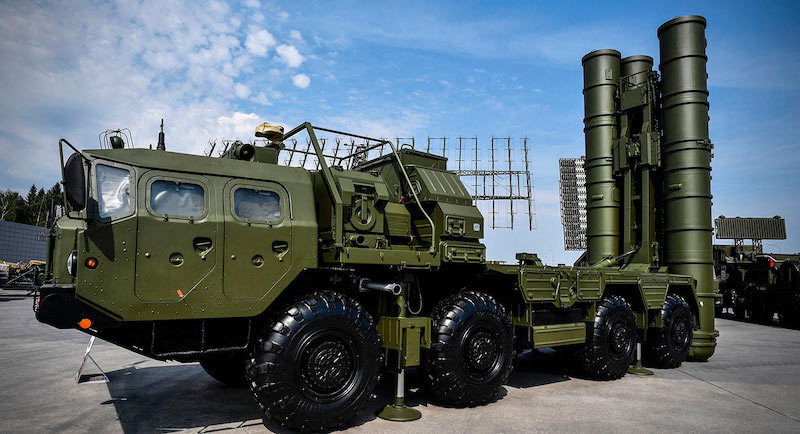
 An S-400 battery.
New Delhi: India and Russia are in active negotiations for the purchase of an additional batch of S-400 “Triumf” (rechristened “Sudarshan Chakra” in India) long-range air-defence systems, Moscow confirmed on Tuesday. This is the clearest official signal yet that New Delhi is set to dramatically expand its most potent air-defence shield.
Russia’s Federal Service for Military-Technical Cooperation (FSVTS) disclosed to the Interfax news agency that India had formally expressed interest in an additional delivery of the systems, and that Russia was ready to fulfil the request, with negotiations already underway. The announcement came as Moscow and New Delhi gathered at the International Security Forum near Moscow, held from May 26 to 29.
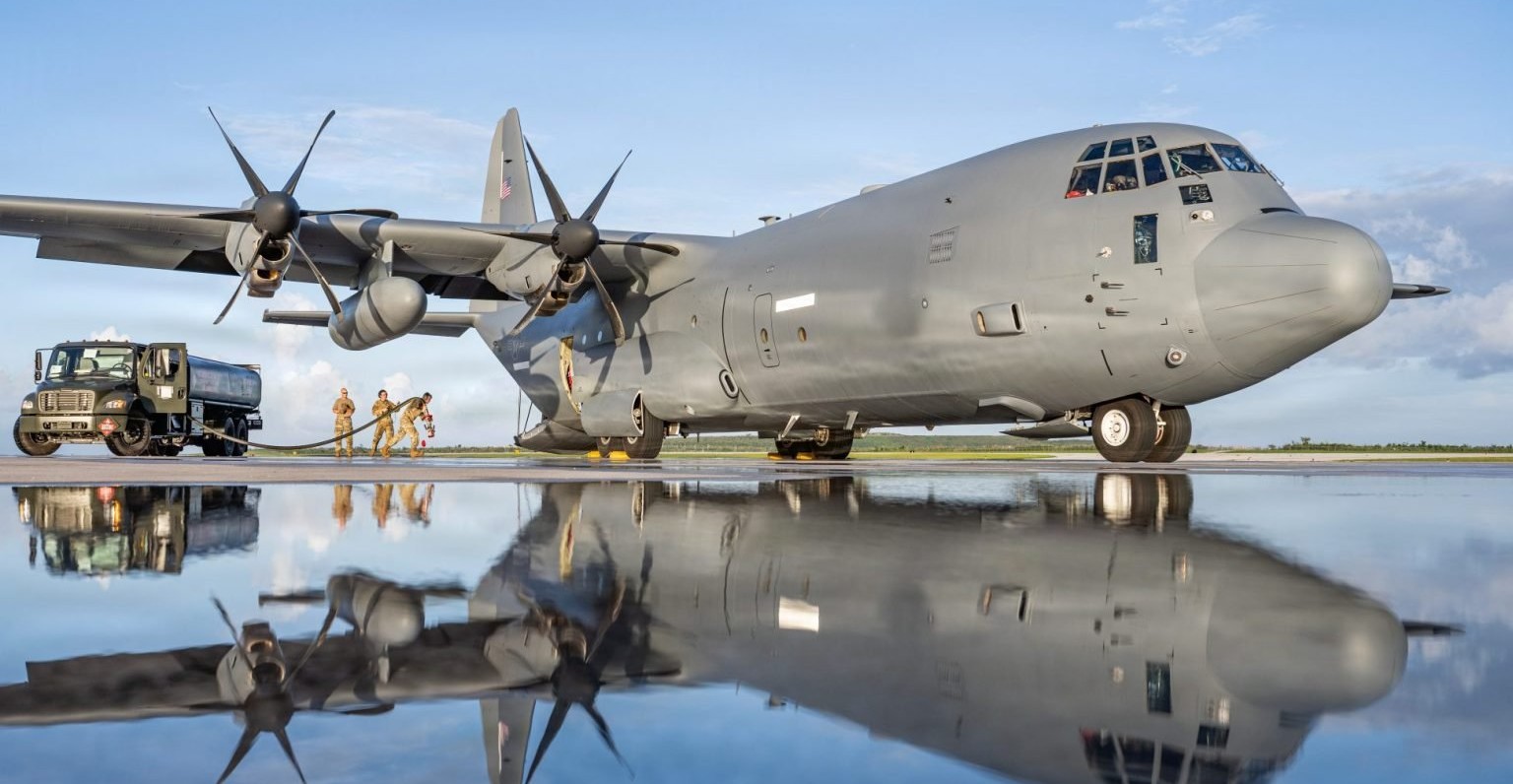
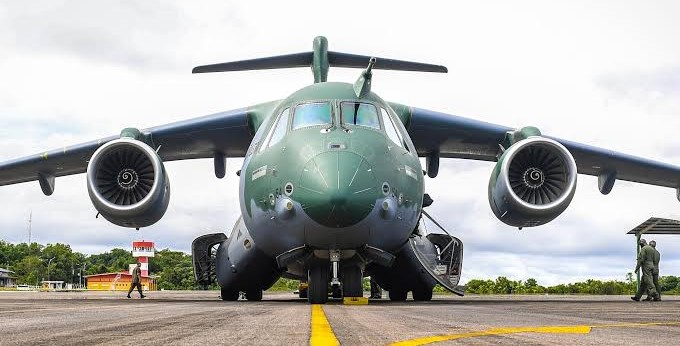
The disclosure marks the formal Russian acknowledgment of what New Delhi had been preparing for months. In March, the Ministry of Defence said it had approved $25 billion worth of proposals that included five more S-400 systems, as well as transport aircraft and remotely piloted strike aircraft. The defence ministry announced in a statement that “the S-400 system will counter enemy long-range air vectors targeting vital areas,” though it did not elaborate on the numbers intended for procurement.
Completing original contract
The new purchase talks are unfolding as Russia also works to complete the original deal. The talks come as Moscow works to wrap up the landmark $5.43 billion contract signed in October 2018. While Russia successfully delivered the first three S-400 systems by 2023, the remaining two-faced delays linked to Russia’s full-scale invasion of Ukraine.
According to a Moscow Times report [archived link], FSVTS chief Dmitry Shugayev said last week that the outstanding deliveries are now back “on schedule”, with the final units expected to arrive this month and in November.
S-400’s trial by fire
The urgency behind the new acquisition negotiations is inseparable from the system’s performance during Operation Sindoor, India’s short and sharp military campaign against Pakistan in May 2025, launched in response to the Pahalgam terror attack that killed 26 civilians.
During the conflict, on the intervening night of May 7 and 8, Pakistan attempted to engage 15 military targets using drones and missiles. As India Sentinels had reported then, Pakistan hit or attempted to hit locations across northern and western India including Awantipura, Srinagar, Jammu, Pathankot, Amritsar, Kapurthala, Jalandhar, Ludhiana, Adampur, Bhatinda, Chandigarh, Nal, Phalodi, Uttarlai, and Bhuj.
The S-400 Sudarshan Chakra air-defence systems of the Air Force were among the systems deployed to neutralize these threats, and the targets were successfully neutralized.
During the clashes with Pakistani forces, the system was credited with shooting down at least five hostile fighters and one large high-value aircraft, widely reported to be an airborne early warning and control (AEW&C) platform, at a range of approximately 300 kilometres – a feat made possible by the S-400’s unique 40N6 missiles, which can engage targets at almost all altitudes and at up to 400-kilometre ranges.
An S-400 battery also neutralized a Pakistani JF-17 Thunder at close to 200 kilometres on the conflict’s first night, before the crew turned their attention to tracking a far more strategic high-value target deep within enemy airspace using the system’s sophisticated 91N6E “Big Bird” radar.
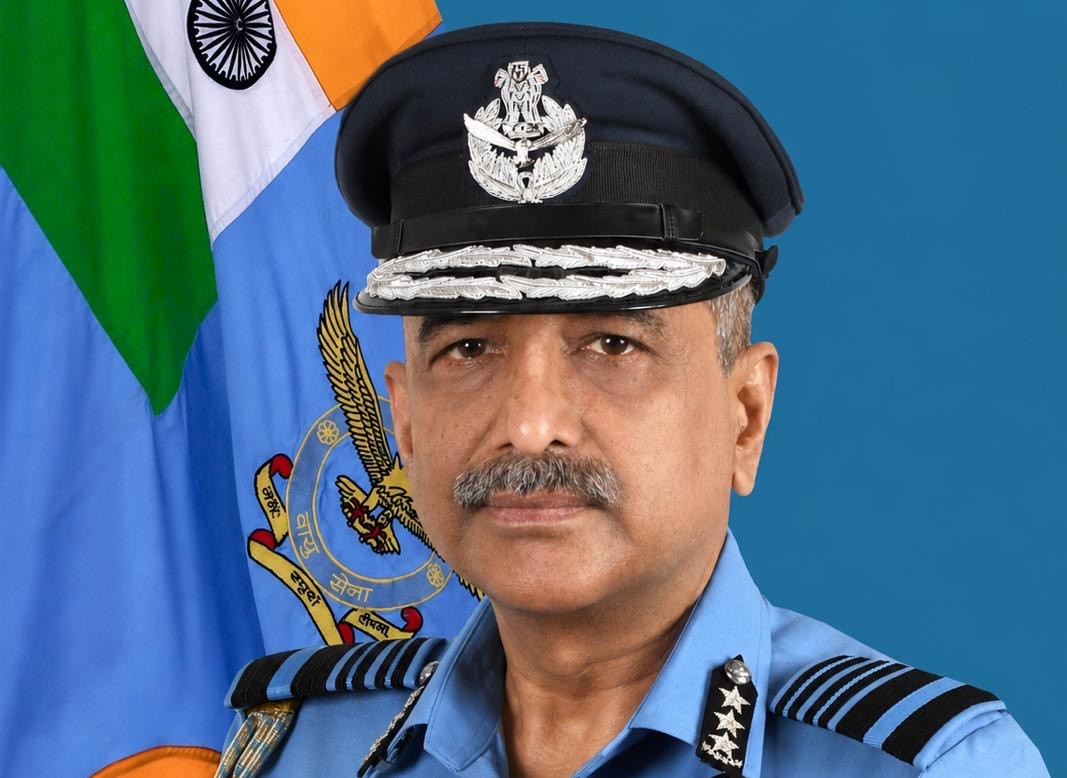
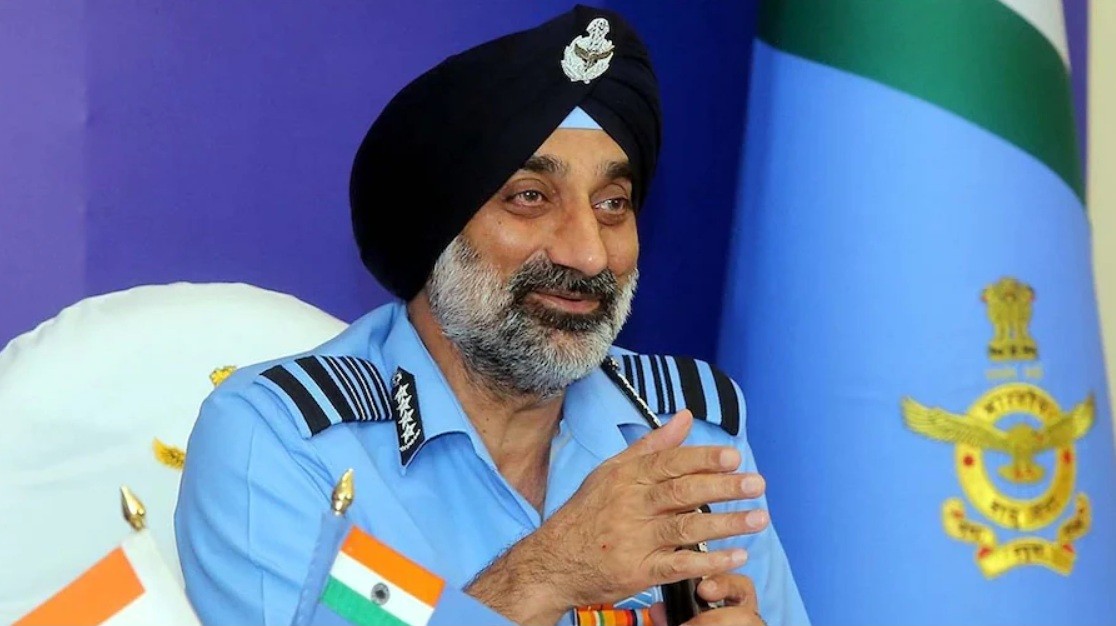
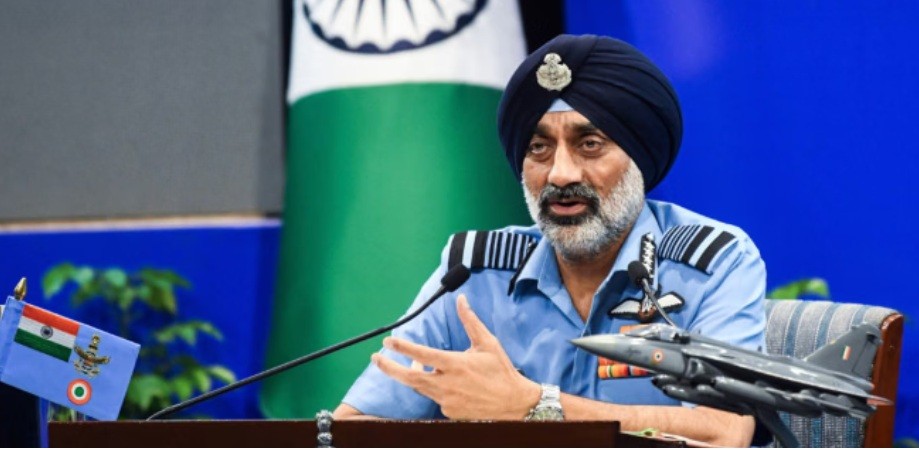
In October 2024, the chief of air staff, Air Chief Marshal Amar Preet Singh, while declining at the time to directly confirm plans for additional purchases, acknowledged the system’s performance unambiguously. “Obviously, that has done good. So, there’s a requirement to have more such systems; there is no limit to numbers that you can buy,” he had said then, adding that India would “take a call” on further acquisitions.
Caatsa shadow
The deepening S-400 partnership comes despite the persistent threat of American sanctions. The Defence Acquisition Council had in February 2026 also approved the acceptance of necessity (AoN) for purchasing 288 S-400 surface-to-air missiles from Russia at a cost of roughly $1.1 billion. This would cover 120 short-range and 168 long-range missiles to replenish air-defence stocks consumed during Operation Sindoor.
Washington has so far refrained from invoking the Countering America’s Adversaries Through Sanctions Act (Caatsa) against India over the original S-400 contract, though the question of whether a major new purchase would trigger Caatsa scrutiny remains unresolved in diplomatic circles.
As India Sentinels had reported, India is the world’s second-largest arms importer and, over the past five years, has accounted for nearly half of Russia’s arms exports to its top three buyers, according to the Stockholm International Peace Research Institute (Sipri). Nevertheless, India has sought to diversify its defence purchases in recent years, increasingly turning to France, Israel, the United States and Germany for arms. The expanded S-400 programme, however, signals that Russia retains a central – and for the foreseeable future, irreplaceable – role in India’s air-defence architecture.
The aftermath of Operation Sindoor has already triggered a visible shift in Pakistani air doctrine: high-value airborne assets, particularly AEW&C and aerial refuelling platforms, have reportedly been repositioned deeper inland to bases such as Pasni and Jacobabad. This suggests that Islamabad has internalized the S-400’s extraordinary reach as a lasting strategic constraint.
For India, that constraint is one it clearly intends to extend.
Follow us on social media for quick updates, new photos, videos, and more.
X: https://x.com/indiasentinels
Facebook: https://facebook.com/indiasentinels
Instagram: https://instagram.com/indiasentinels
YouTube: https://youtube.com/indiasentinels
© India Sentinels 2026-27