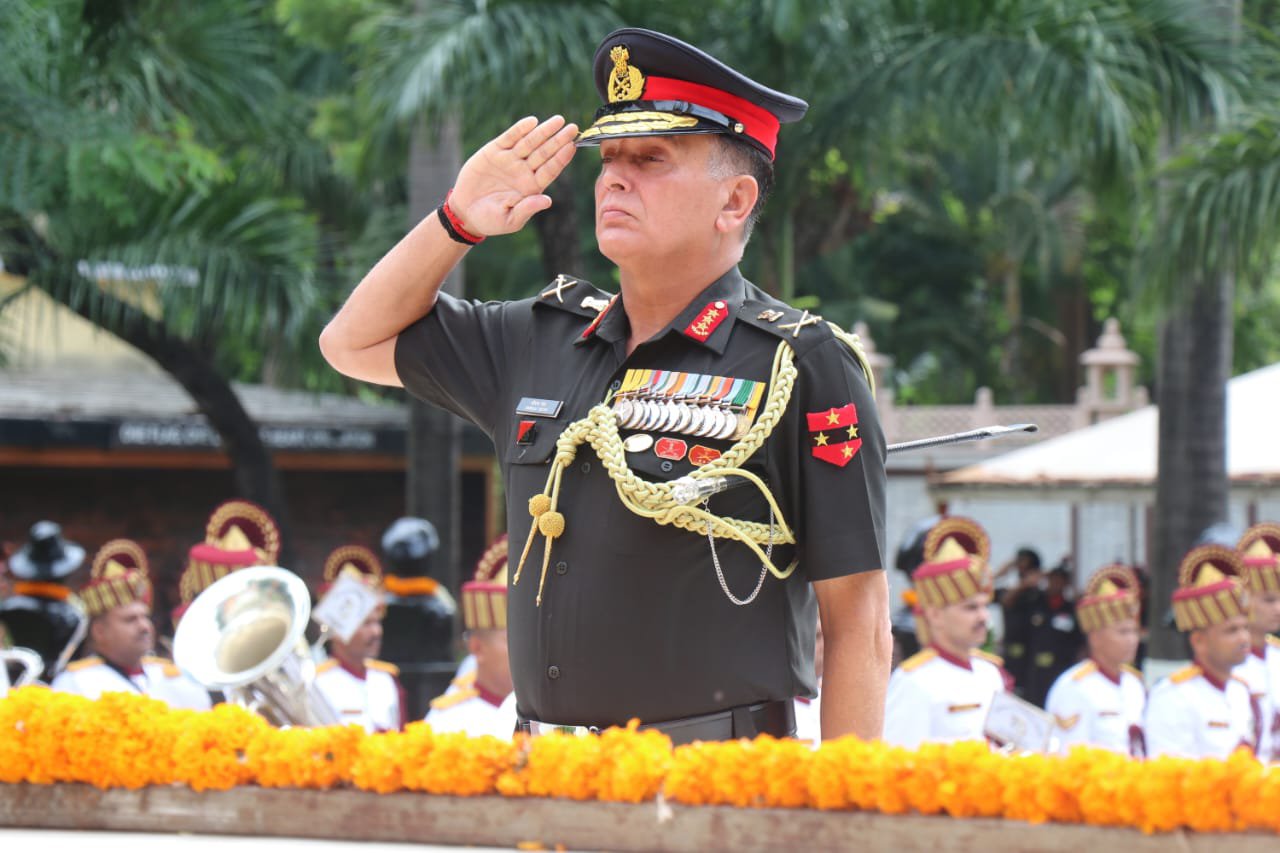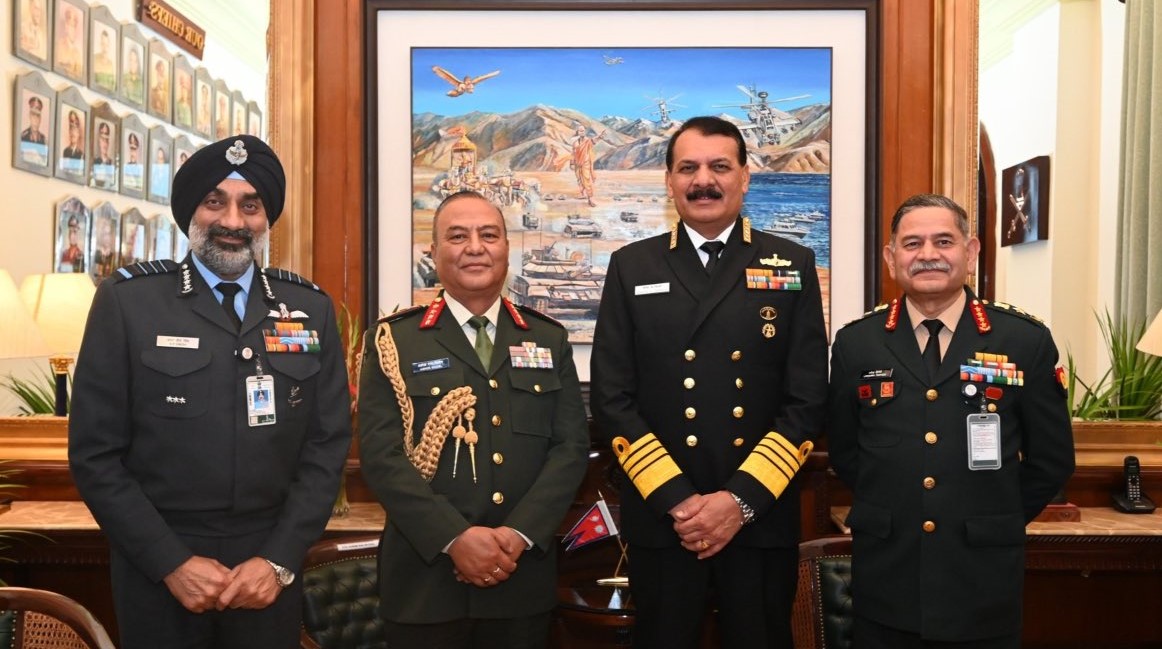
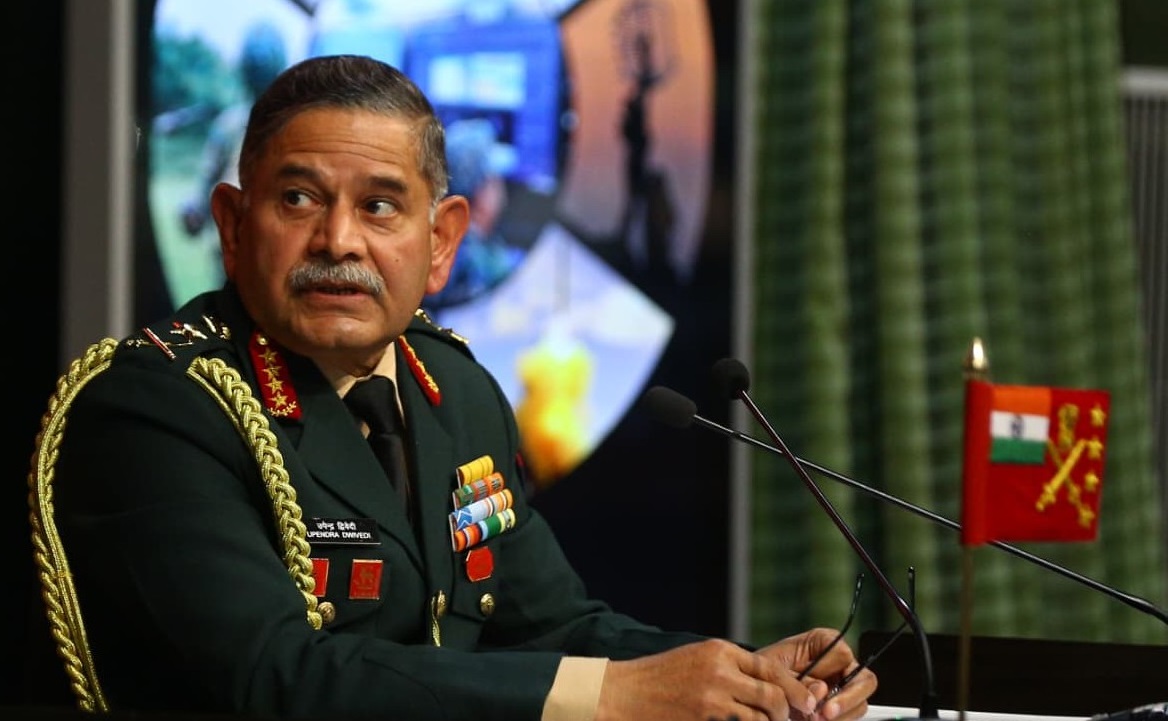
 General Upendra Dwivedi during annual news conference 2026. (Photo via X)
New Delhi: In a move to strengthen its offensive posture against China amid a rapidly evolving global geostrategic environment, the Indian Army has initiated the restructuring of its combat formations, beginning with the northern border–focused 17 Mountain Strike Corps based at Panagarh in the eastern sector.
While addressing the reporters on Tuesday ahead of Army Day Parade 2026, Indian Army chief General Upendra Dwivedi said the government has approved proposals to raise integrated battle groups (IBGs) – compact, brigade-sized, self-sustaining, and highly mobile combat formations.
Read also: Army chief Gen Upendra Dwivedi rejects China’s claims over Shaksgam Valley as ‘illegal’
Each IBG will comprise around 15 units and will be commanded by an officer of Major General rank.
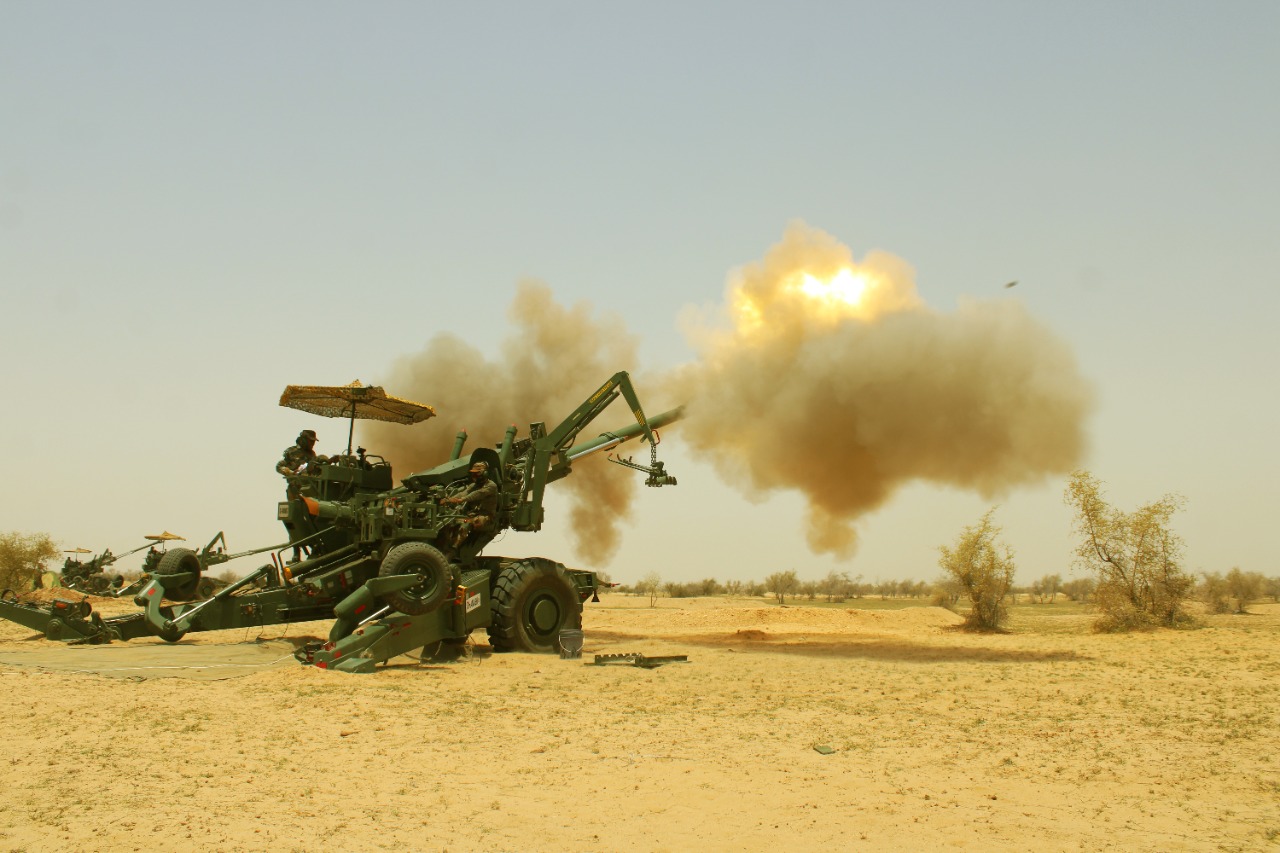
As part of the broader force restructuring, the Army is also raising Bhairav battalions, Shaktibaan troops, Divyastra batteries, and Rudra brigades, the Army Chief added.
Indian Army’s IBG plans for the China front
According to Army sources, the 17 Mountain Strike Corps will be the first strike corps to be converted into the IBG structure. The corps will field at least four IBGs under two formations – 59 Division headquartered at Panagarh and 23 Division based in Ranchi.
A division, led by a major general, typically has 9,000–10,000 troops under at least three brigades or nine battalions. Under the new structure, each IBG will consist of around 5,000 troops, making it significantly larger than a conventional brigade.
By comparison, a standard brigade in the Indian Army – commanded by a brigadier – has around 3,000 troops or three battalions.
What is the 17 Mountain Strike Corps and why it matters?
The 17 Mountain Strike Corps (MSC) is the Indian Army’s only mountain strike corps and one of its four strike corps focused on the China front. The other three – 1 Corps (Mathura), 2 Corps (Ambala), and 21 Corps (Bhopal) – are primarily oriented towards Pakistan.
Read also: Army chief Gen Dwivedi backs dedicated rocket force to counter regional threats
Sources said the IBGisation of the 17 MSC is expected to be completed by mid-2027, with the full rollout planned by 2029.
What are IBGs and how do they fit into Army transformation
Integrated Battle Groups will include elements from infantry, artillery, armour, engineers, signals, air defence, and other arms and services. Designed for rapid response, an IBG can be deployed for operations within 48 hours of receiving orders.
While self-sustaining, IBGs will retain the flexibility to draw additional combat and support units from corps-level assets or other formations to enhance their firepower when required.
Origins of the IBG concept
The concept of IBGs emerged from a series of four restructuring studies conducted under former Army chief General Bipin Rawat, who later became India’s first chief of defence staff in 2020. He played a pivotal role in driving jointness and transformation across the three armed forces.
Gen Rawat tragically lost his life in a helicopter crash in the Ooty hills of Tamil Nadu in December 2021.