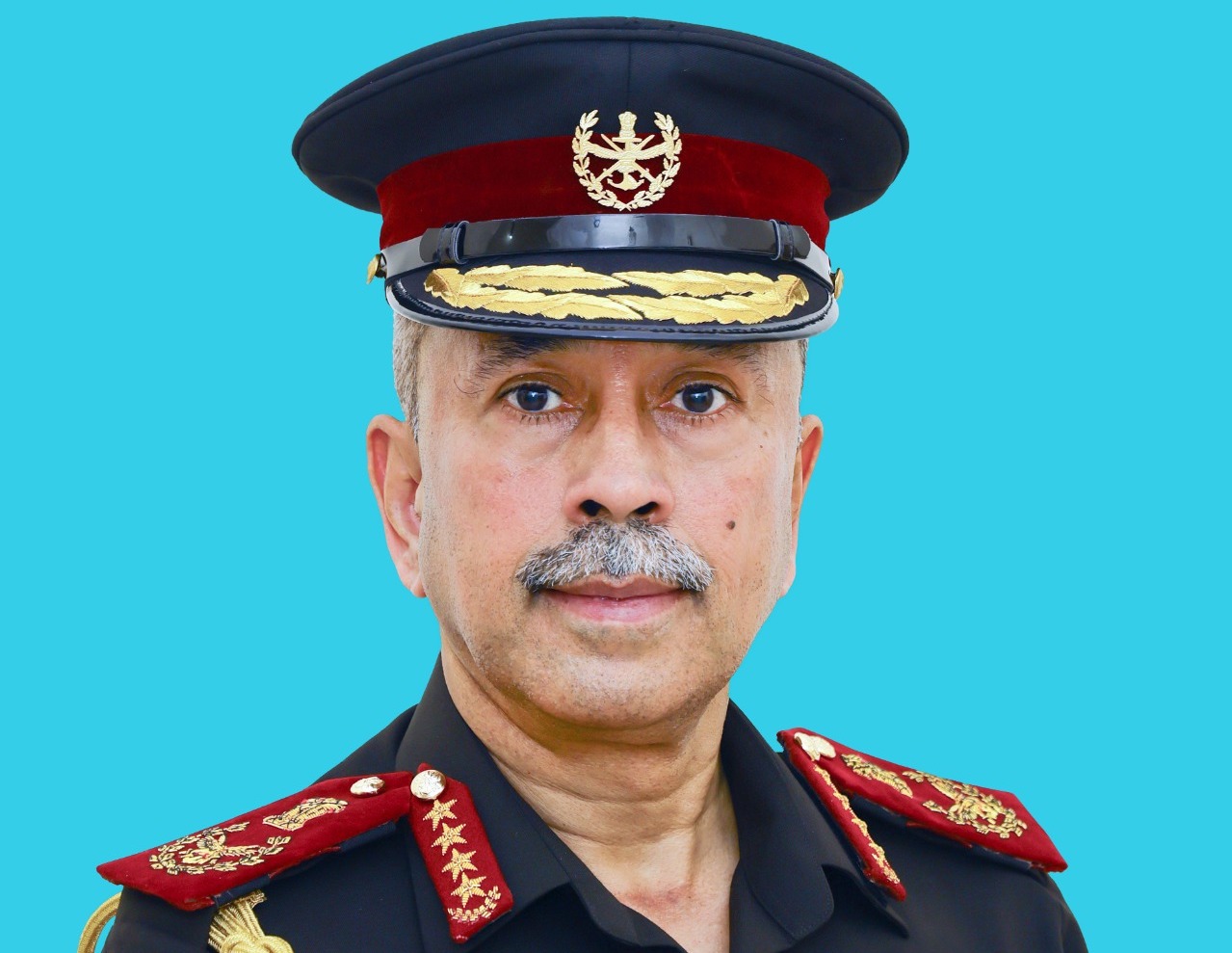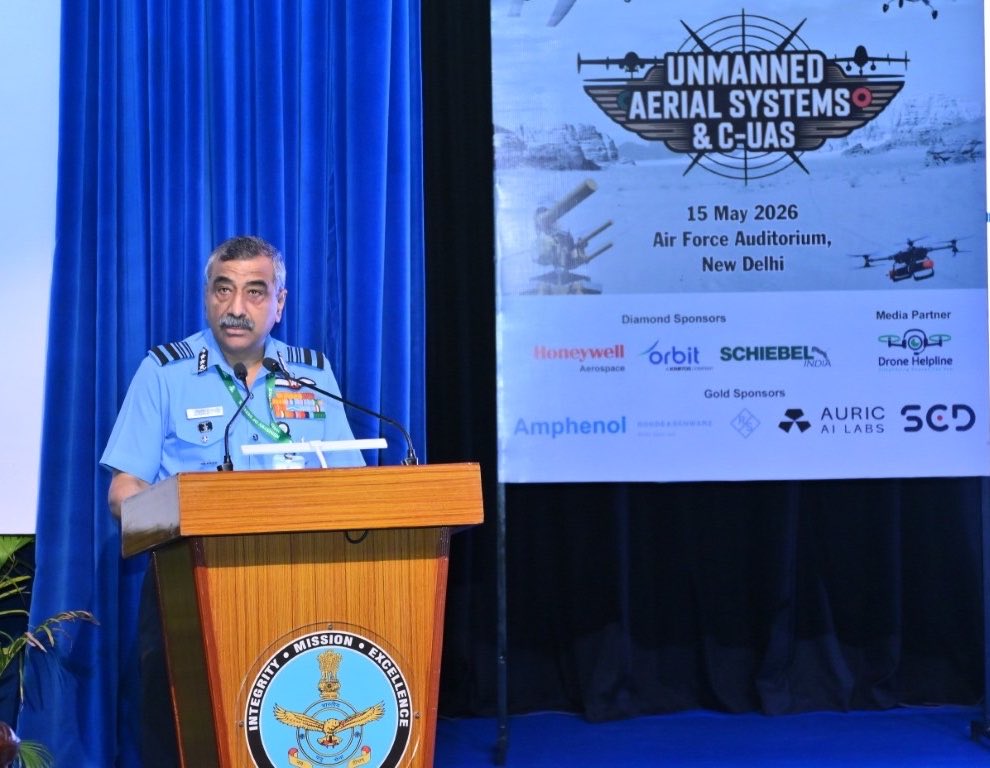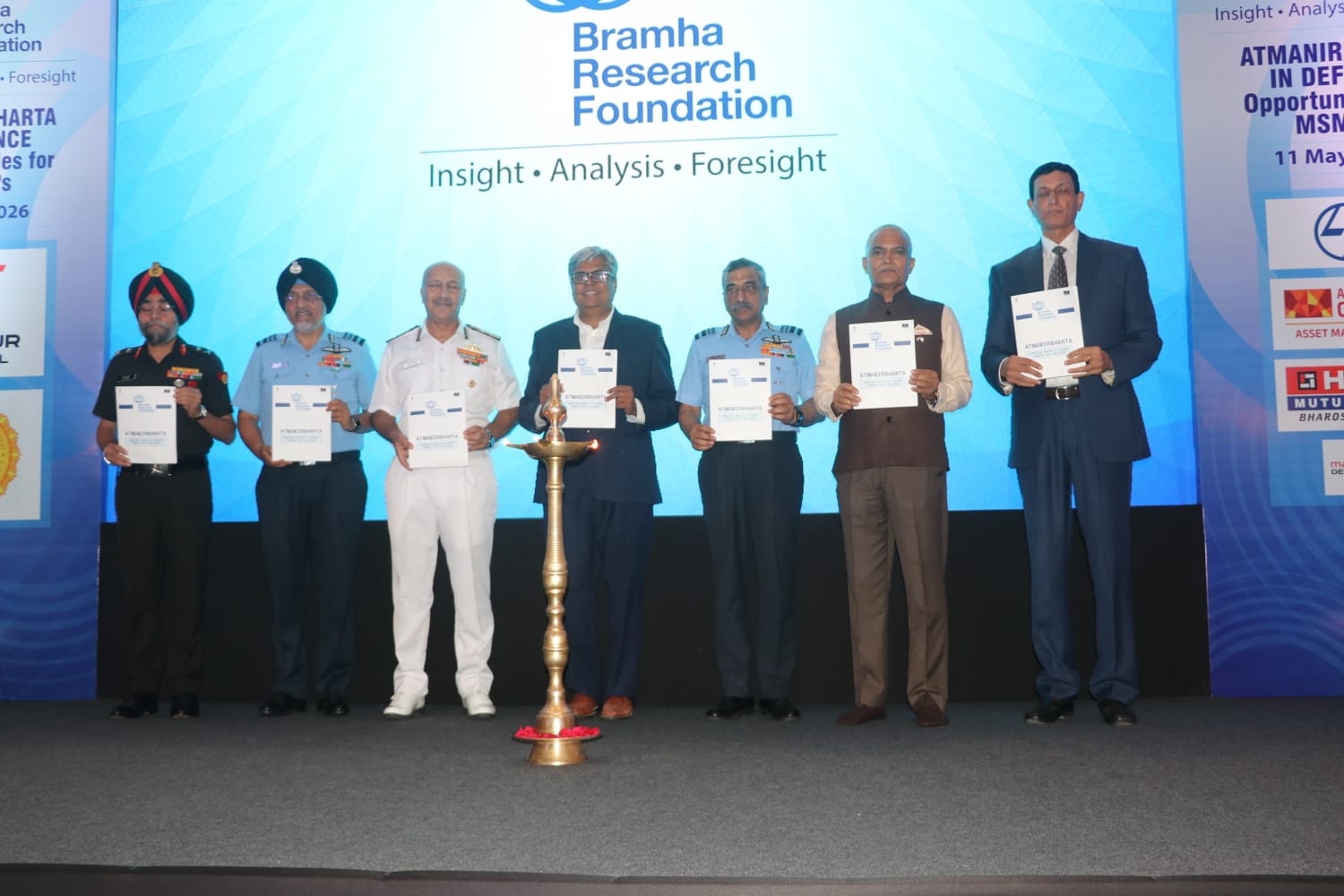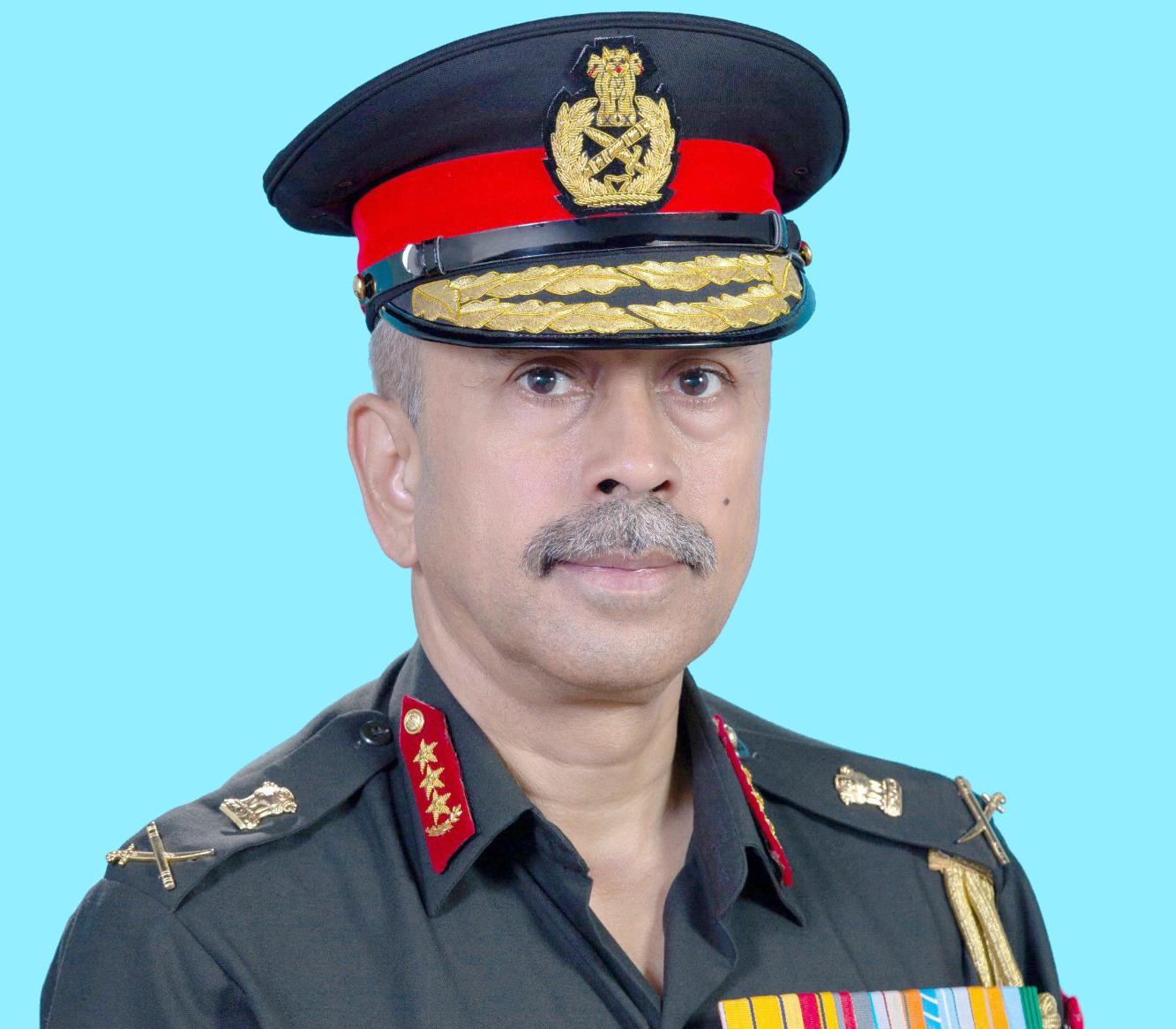
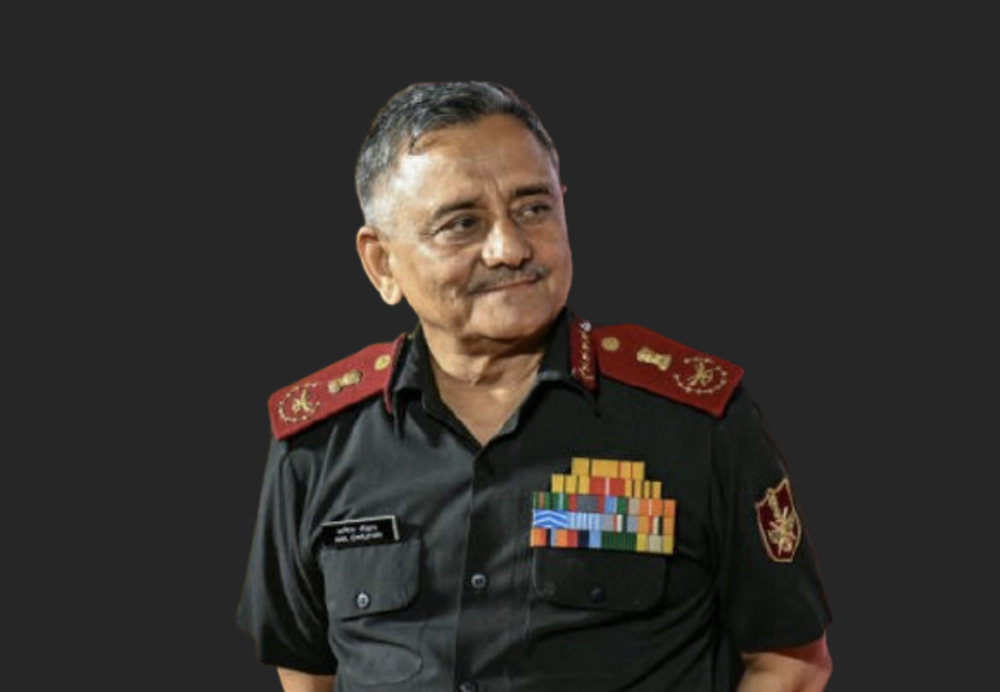
 Gen Anil Chauhan.
New Delhi: After more than four decades in uniform, the chief of defence staff, General Anil Chauhan, hung up his boots on Saturday. This brings to a close one of the most consequential tenures in India’s higher defence establishment since the CDS post was created in 2019.
Gen Chauhan, who stepped into the role in September 2022 following the tragic death of the country’s first CDS, General Bipin Rawat, superannuated on attaining the age of 65. His retirement also marks the end of his tenure as secretary of the Department of Military Affairs (DMA) – the Ministry of Defence body created specifically to drive integration and jointness among the three services – Indian Army, Indian Navy, and Indian Air Force.
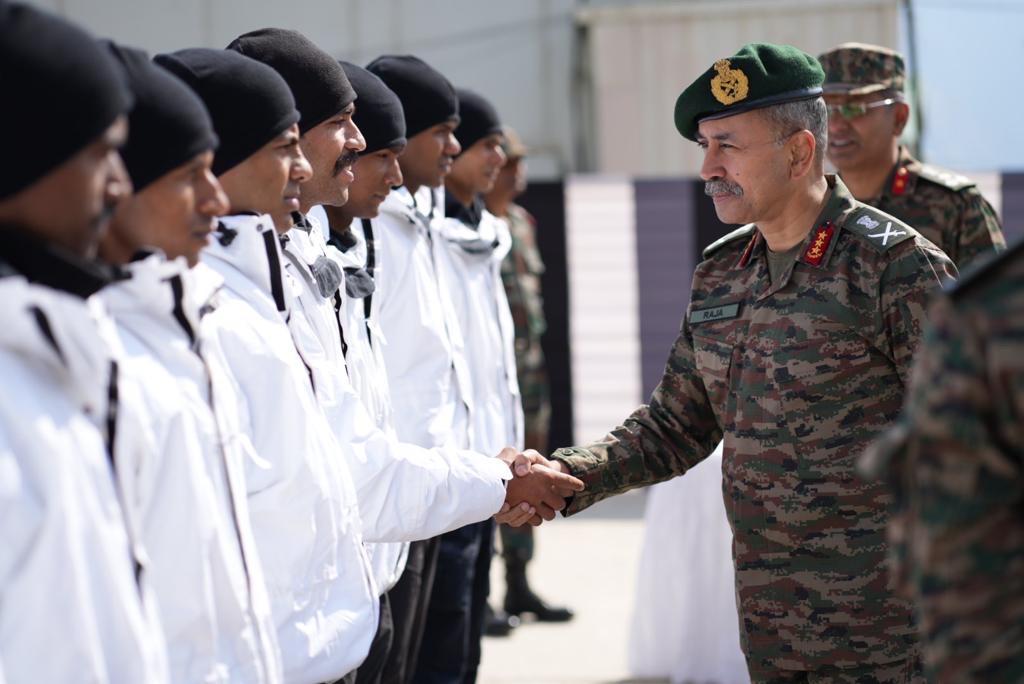
He spent his final day in uniform the way he spent much of his tenure – purposefully. At the National War Memorial in New Delhi, he was accorded a triservices guard of honour and paid his respects to fallen soldiers, sailors, and airmen, with senior military officers and defence officials in attendance. Visuals from the event captured Gen Chauhan interacting warmly with serving personnel and receiving farewell honours from representatives of the Army, the Navy, and the Air Force.
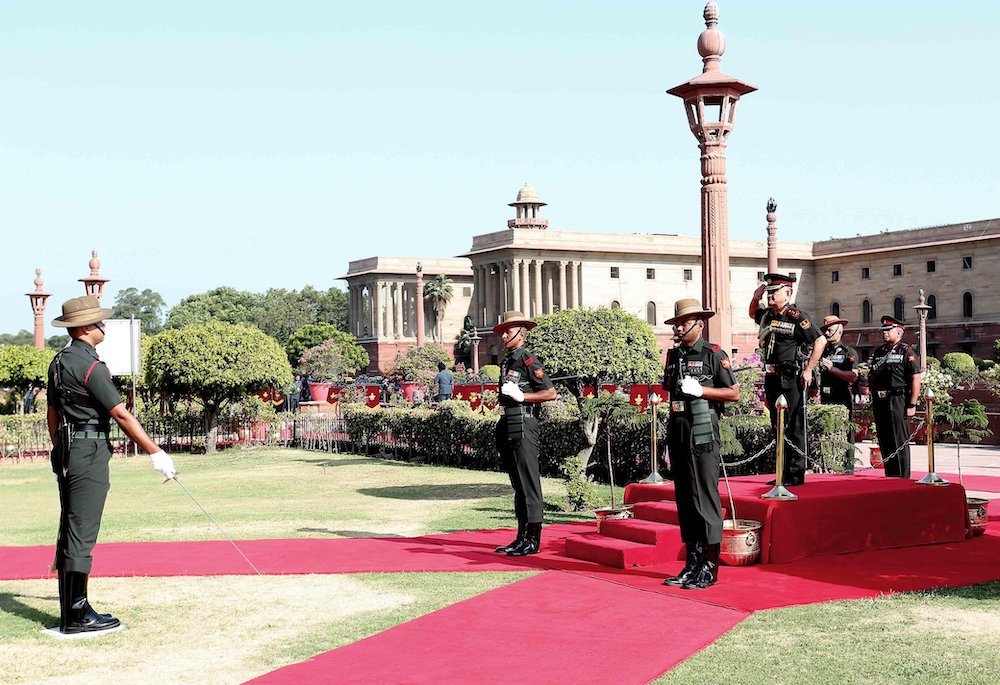 Gen Anil Chauhan during his formal farewell ceremony at South Block, New Delhi, on May 30, 2026. (Photo: HQ IDS)
For many defence observers, his retirement closes a critical chapter – one that bridged the foundational vision laid down by Gen Rawat and its institutional consolidation within India’s military structure.
A veteran infantry officer from the 11 Gorkha Rifles, Gen Chauhan had served as the general officer commanding in chief (GOC-in-C) of the Eastern Army Command and later as military advisor in the National Security Council Secretariat before his retirement. His appointment as CDS in 2022 came in an unusual manner – he was recalled from retirement, which showed the government’s confidence in his experience and strategic thinking.
Jointness and integration were the two central issues during his tenure. Even though the concept of theatre commands in India is still in its initial stages of implementation, Gen Chauhan held wide-ranging consultations with the three services and initiated measures to achieve efficiencies through restructuring and eliminating redundancies.
Read also: General Anil Chauhan and the transformative legacy he leaves behind
His tenure unfolded against a backdrop of significant security challenges. India continued to manage a tense military standoff with China along the line of actual control (LAC), even as it sustained counterterrorism and counterinsurgency commitments on other fronts. Through it all, the CDS played a central role in coordinating military planning and guiding capability development across the services.
Those who worked alongside him describe Gen Chauhan as a strategic thinker who preferred institution-building over the spotlight. His legacy is less about battlefield moments and more about structural change – efforts to advance joint logistics, integrated procurement planning, modernization priorities, and the DMA’s expanding role in higher defence management. He was also a consistent advocate for emerging technologies, from artificial intelligence and autonomous systems to cyber capabilities and space-based military assets.
Indigenous defence production featured prominently during his watch as well, with the armed forces pressing ahead on reducing foreign dependence and building out domestic manufacturing and innovation ecosystems under the government’s Atmanirbhar Bharat (self-reliant India) initiative.
Yet the road to theatre commands remained anything but smooth. Differences among the services over command structures, responsibilities, and resource allocation slowed progress. Gen Chauhan’s supporters say he kept the reform process on track despite considerable institutional resistance. Critics, however, argue the transformation moved more slowly than originally envisaged. The broader assessment, shared by many military commentators, is that he chose to strengthen the foundations for long-term integration rather than chase rapid change that could prove disruptive.
Read also: CDS ‘advisor to who?’ and the ‘first among equals’ debate
The government had earlier this month named Lieutenant General NS Raja Subramani (retired) as the incoming CDS, ensuring continuity in India’s military reform agenda. Lt Gen Raja Subramani – a former vice-chief of the Army staff and ex-GOC-in-C of the Central Army Command – is currently serving as military advisor in the National Security Council Secretariat. A graduate of the National Defence Academy (NDA) and the Indian Military Academy (IMA), he was commissioned into the 8th Battalion of the Garhwal Rifles in December 1985.
Over a distinguished career, he held operational and staff appointments across some of India’s most sensitive theatres, including Jammu & Kashmir and the northeastern region. He also commanded the Army’s Ambala-headquartered II Corps (also called Kharga Corps) – one of the country’s key strike formations under the Western Army Command. Defence circles regard him as a seasoned strategist with deep expertise on security challenges posed by both China and Pakistan.
As CDS, Lt Gen Raja Subramani – who will be promoted to a four-star general – will inherit unfinished but strategically vital agendas, like the theatre-command reforms, force modernization, capability integration, and the continued development of India’s joint warfighting doctrine. His background in the National Security Council system is also expected to sharpen coordination between military planning and national security policymaking.
For Gen Anil Chauhan, retirement draws the curtain on a career that began in the mid-1980s and peaked in one of the most important military roles in independent India. Whether history remembers him as the architect of India’s military transformation or as a steady transitional force in a longer reform journey, his tenure leaves an unmistakable imprint on the structure and direction of the country’s armed forces.
Follow us on social media for quick updates, new photos, videos, and more.
X: https://x.com/indiasentinels
Facebook: https://facebook.com/indiasentinels
Instagram: https://instagram.com/indiasentinels
YouTube: https://youtube.com/indiasentinels
© India Sentinels 2026-27