
New Delhi: The ministry of defence is looking for technology companies to design and build a significantly upgraded digital system for managing the Indian Navy’s weapons and armament supply chains. A formal request for information (RFI) has been issued for a platform designated Indian Naval Armament Management System (INAMS) Version 2.0.
INAMS is the navy’s core software for tracking and coordinating weapons, ammunition, explosives, and related supply chains across Naval Armament Depots (NADs) spread throughout the country. Version 1.0 of the system is currently operational, but the RFI makes plain that it no longer meets the scale and security demands of a rapidly expanding fleet.
Scale and scope
The upgraded platform is expected to support up to 1,200 simultaneous users and will link all naval armament depots across the country with naval headquarters in New Delhi. Its functions will span explosive handling, guided weapons management, personnel administration, procurement, and production planning, effectively consolidating what are now disparate processes into a single, networked system.
The project has been structured as a five-year programme: two years for development and full deployment, followed by three years of operations and maintenance. This timeline is in keeping with defence software procurements of comparable complexity, though meeting it will require vendors with substantial experience in defence-grade systems.
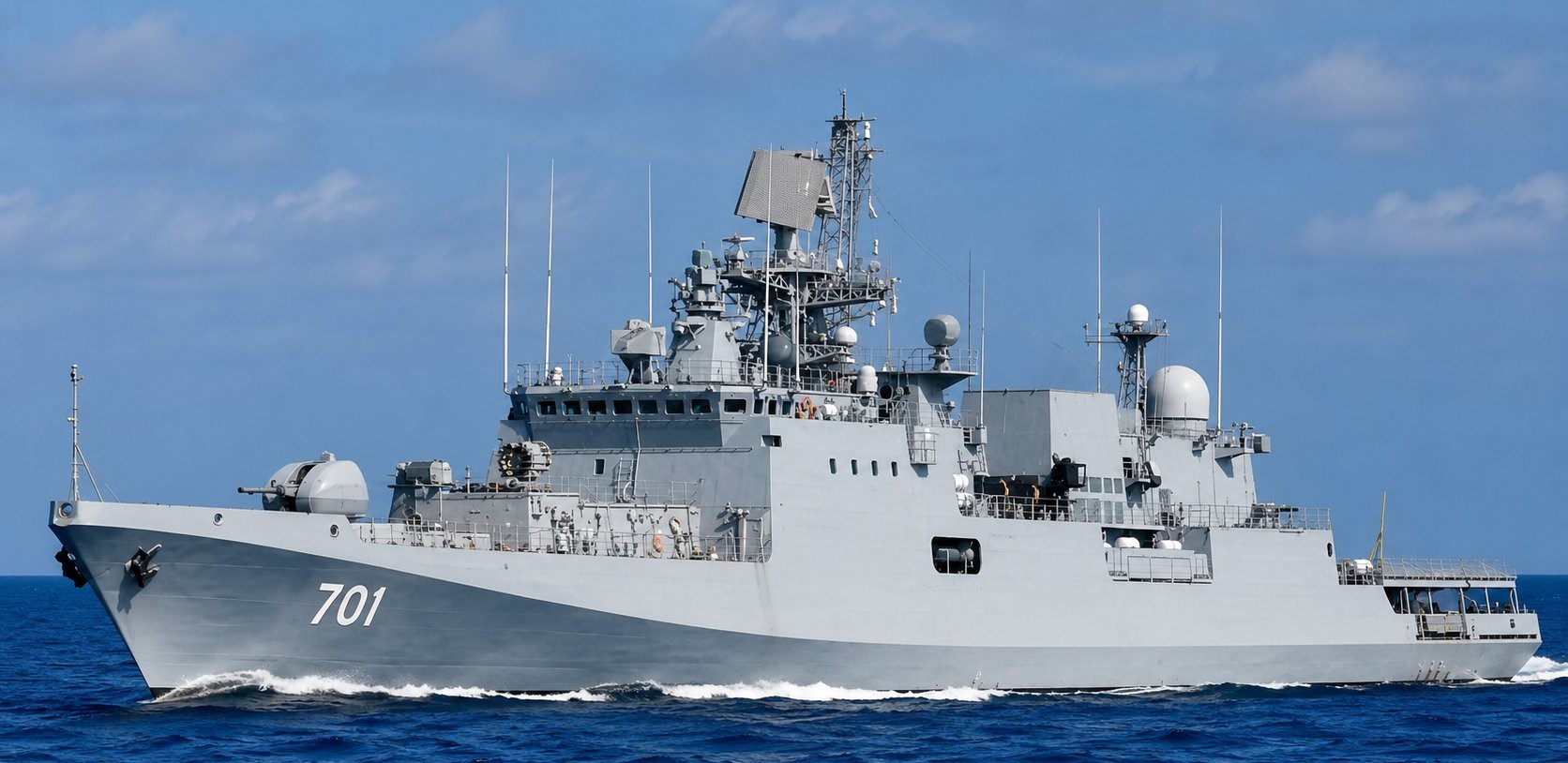
The navy’s ambition here is not incidental. India’s naval fleet is undergoing one of its most aggressive expansions in decades. As of late 2025, 54 ships were under construction at various stages across six Indian shipyards, with the navy targeting a fleet of 155–160 warships by 2030 and between 175 and 200 by 2035. Keeping armament logistics in step with that growth requires software that can scale accordingly.
Cybersecurity requirements
Given the sensitivity of naval armament data, the RFI sets out strict cybersecurity specifications. Bidders must build in multi-factor authentication and AES-256 encryption, which is among the strongest data-protection standards in use, along with artificial intelligence and machine learning capabilities.
The final system must also pass a cyber audit conducted by the navy’s Naval Cyber Group before it can be deployed.
IP ownership: A firm line
One of the more commercially significant conditions in the RFI is the intellectual property clause. All source code and IP rights must transfer entirely to the Indian Navy upon delivery. This gives the service full long-term control over the platform, removing any dependence on the vendor for future modifications, patches, or upgrades.
The INAMS 2.0 initiative is part of a much larger effort to digitize and modernize the navy’s administrative and operational backbone. In March 2025, officer trainees of the Indian Naval Armament Service were personally urged by the president, Droupadi Murmu, to adopt innovative approaches to inventory management and to make full use of the latest technology.