New Delhi: The Indian Navy is set to commission two more indigenously built warships – INS Mahendragiri and INS Malvan – next month, pressing ahead with the fastest sustained fleet expansion in its recent history.
The stealth frigate INS Mahendragiri and the anti-submarine warfare shallow-water craft INS Malvan are to be commissioned in July 2025, bringing to five the number of new indigenous platforms inducted into service within a span of weeks.
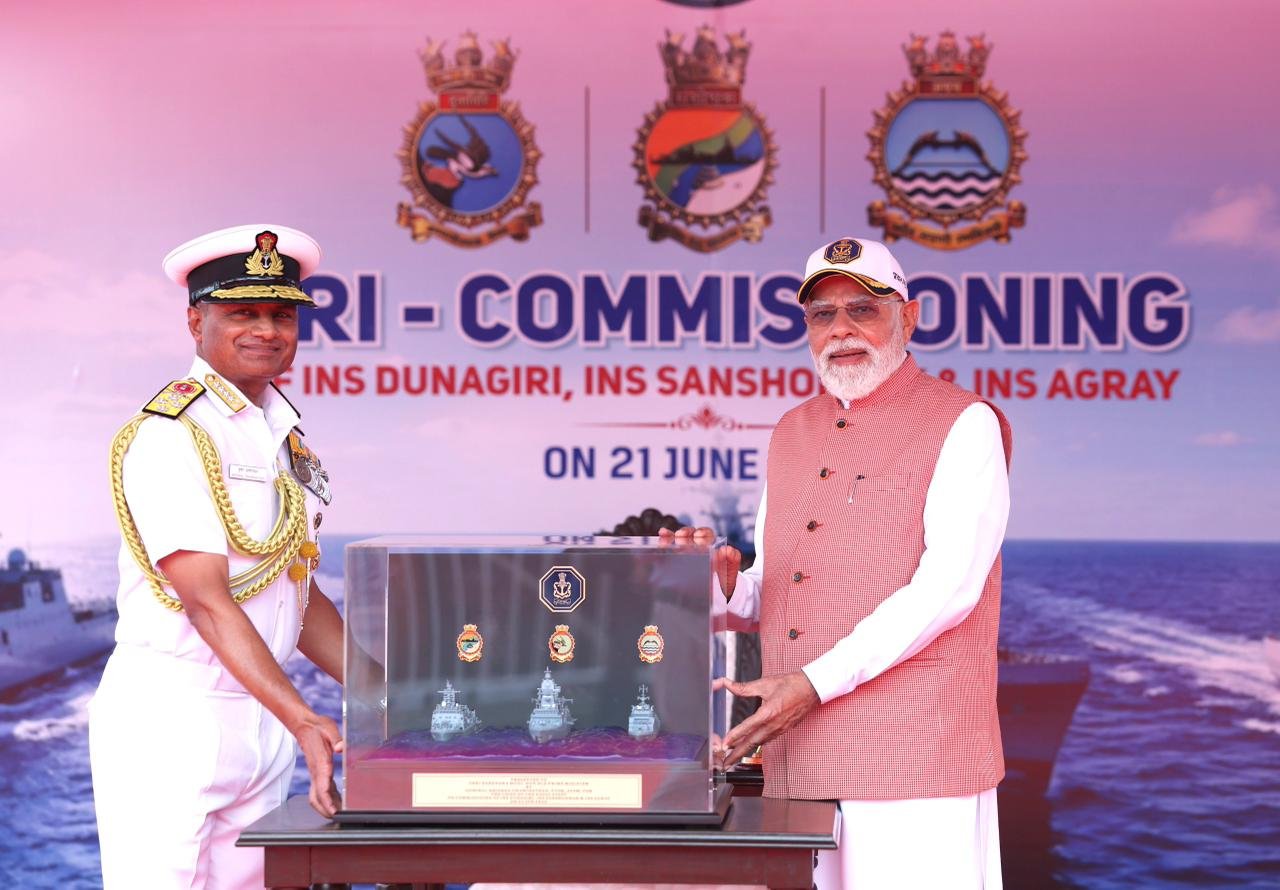
The twin inductions follow the earlier commissioning of INS Dunagiri, INS Sanshodhak and INS Agray in recent weeks.
The last of the Project 17A frigates
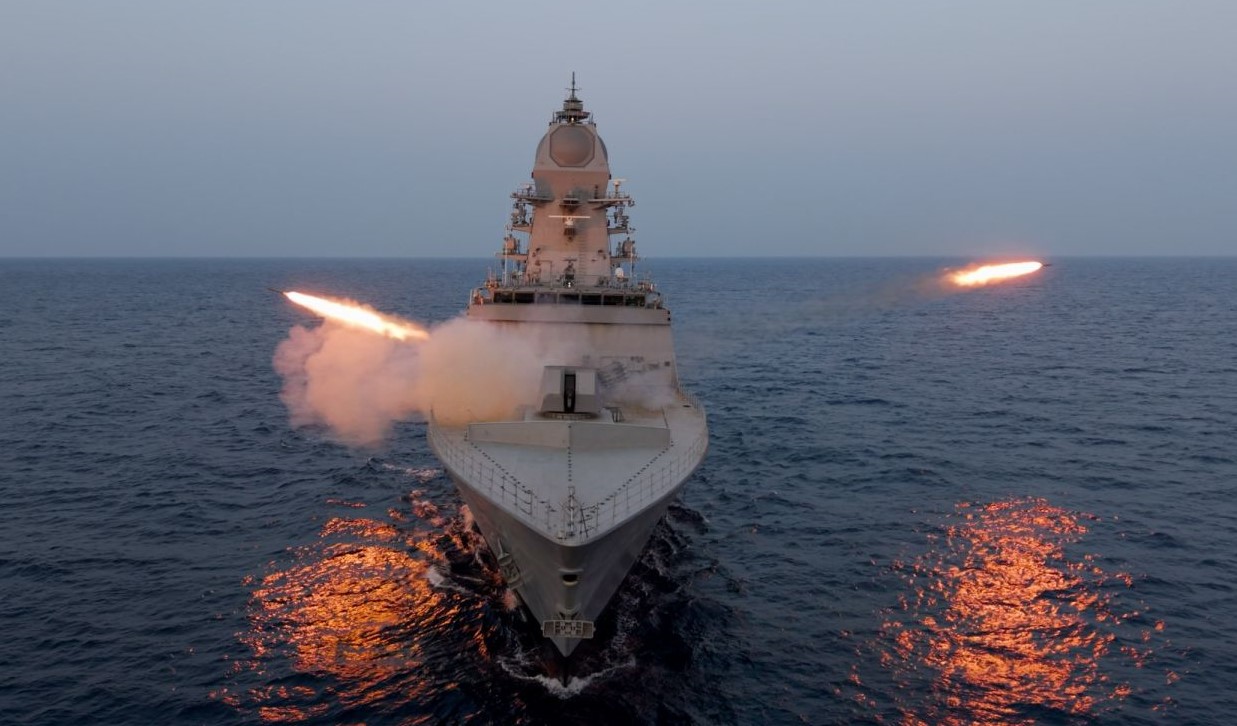
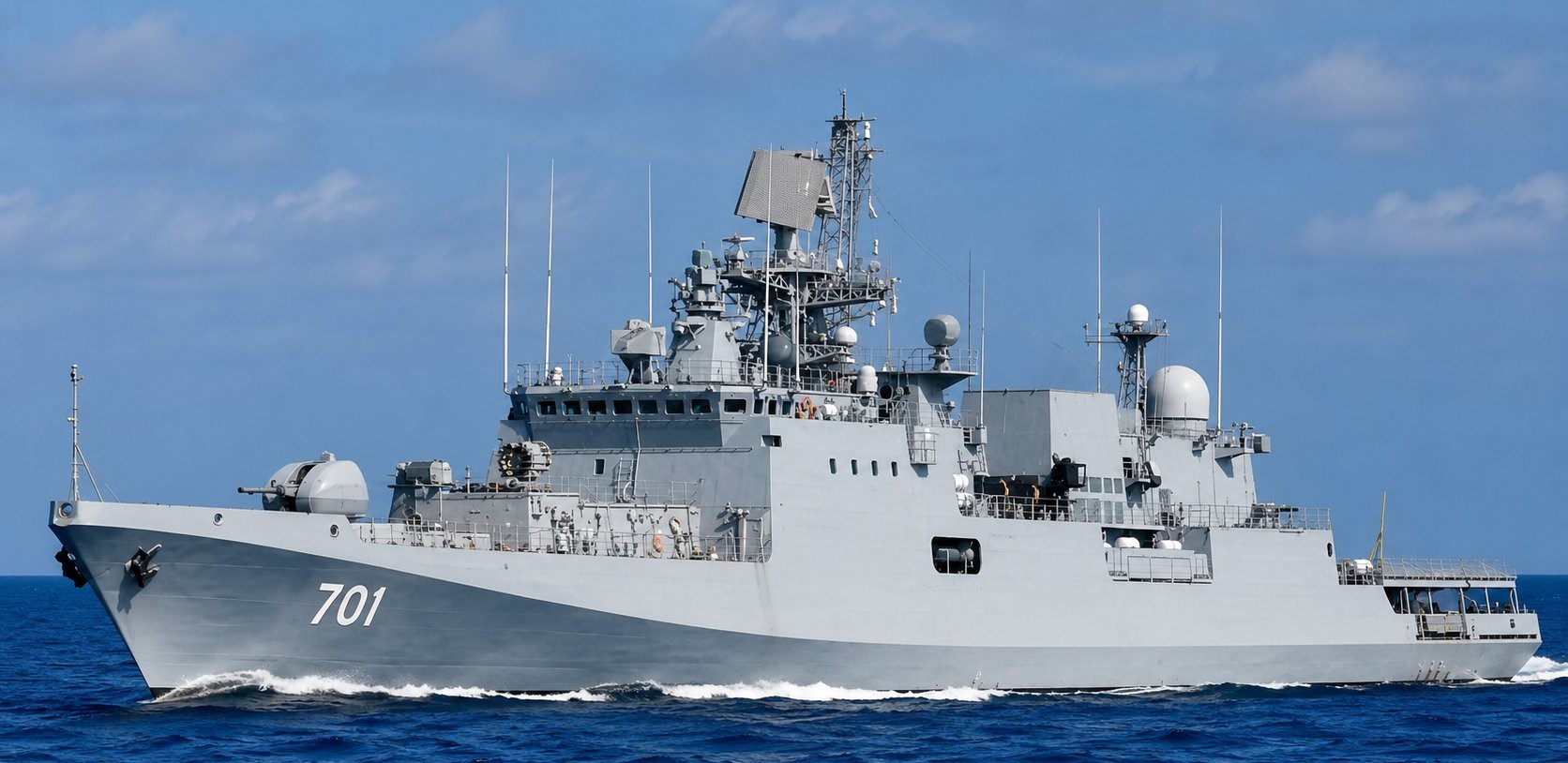
INS Mahendragiri is the seventh and final vessel of the Project 17A Nilgiri-class programme – the Navy’s most ambitious contemporary frigate project. Named after the Mahendragiri peak in the Eastern Ghats, the warship is to be commissioned at Visakhapatnam.
Designed by the Navy’s in-house Warship Design Bureau and built by Mazagon Dock Shipbuilders Limited (MDSL) in Mumbai, it carries approximately 75 per cent indigenous content.
A multi-domain platform, the frigate is equipped to operate across the air, surface and underwater dimensions simultaneously. Its armament includes BrahMos supersonic cruise missiles – jointly developed by India and Russia and among the fastest anti-ship missiles in operational service anywhere – a medium-range surface-to-air missile system for area air defence, anti-submarine weapons, and a suite of advanced sensors and an integrated combat management system.
The ship can also operate helicopters, extending its reach over the horizon significantly.
Project 17A was sanctioned in 2015 as the successor to the earlier Project 17 Shivalik-class frigates. The programme introduced stealth features, including a reduced radar cross-section hull form and infrared signature management that were absent from earlier indigenous frigates.
The earlier ships of the class are already in active service, and the commissioning of Mahendragiri closes the programme.
Reviving a name: the anti-submarine craft INS Malvan
The second vessel, INS Malvan, is a purpose-built anti-submarine warfare (ASW) shallow-water craft, to be commissioned at Kochi. Constructed by Cochin Shipyard Limited (CSL) under the Navy’s ASW Shallow Water Craft programme, the vessel fills a specific operational gap: the detection and neutralization of submarines operating in India's coastal and near-coastal waters, where the acoustic environment and shallow depths make tracking submarines considerably harder than in the open ocean.
Beyond its primary ASW role, the ship is designed for low-intensity maritime operations and mine warfare task. Over 80 per cent of its components are sourced from Indian manufacturers, including a large number of micro, small and medium enterprises, making it a showcase of the government's push to embed defence production across the broader industrial base rather than concentrating it in a few large yards.
The name Malvan is taken from the coastal town of Malvan in Maharashtra, historically associated with the Maratha navy that once contested Portuguese and British control of these waters.
The name itself has naval history: an earlier INS Malvan, a minesweeper, served the Navy until 2003, and the new vessel revives that lineage.
A strategic context: the Indian Ocean under pressure
The Indian Ocean Region has become an increasingly contested maritime space, with the People's Liberation Army Navy (PLAN) expanding its presence through regular deployments of surface combatants, submarines and research vessels in waters stretching from the Gulf of Aden to the Bay of Bengal.
Between 2020 and 2024, Chinese submarine forays into the IOR were tracked by regional naval establishments at a higher frequency than in any preceding five-year period.
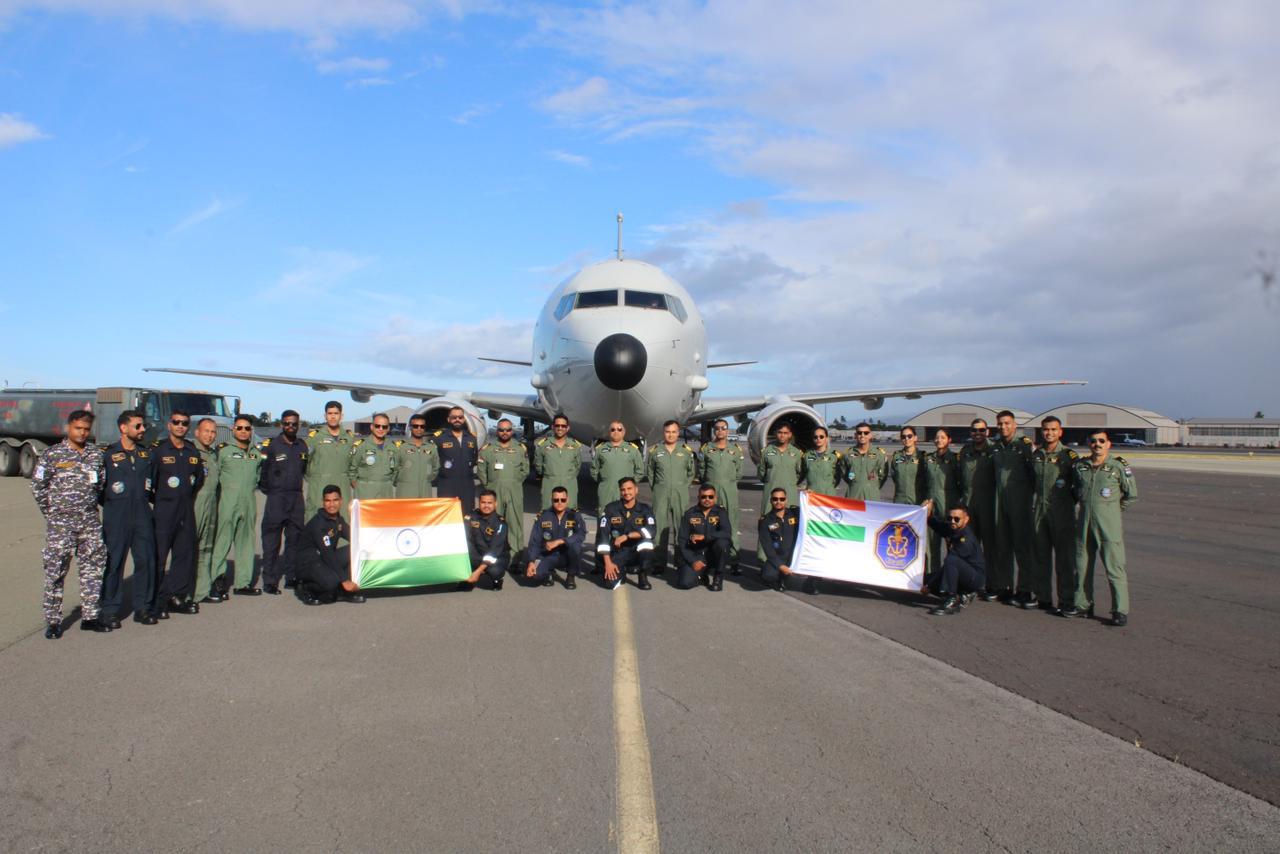
India has responded on multiple tracks. The Navy has expanded its maritime patrol aircraft fleet, accelerated the induction of P-8I Poseidon long-range ASW aircraft from the United States, deepened intelligence-sharing arrangements with the US, France, Australia and Japan under Quad structures, and pressed ahead with indigenous shipbuilding to reduce dependence on foreign procurement timelines.
What comes next
The naval shipbuilding pipeline remains well stocked. Project 75I, a programme for six advanced diesel-electric submarines, is in advanced stages of technical evaluation, with foreign original equipment manufacturers partnering Indian defence firms.
Three Visakhapatnam-class destroyers (Project 15B) are at various stages of trials and commissioning. And the Navy’s second indigenous aircraft carrier, INS Arighat, a nuclear-powered ballistic missile submarine commissioned in 2024, has added another dimension to India’s sea-based deterrence.