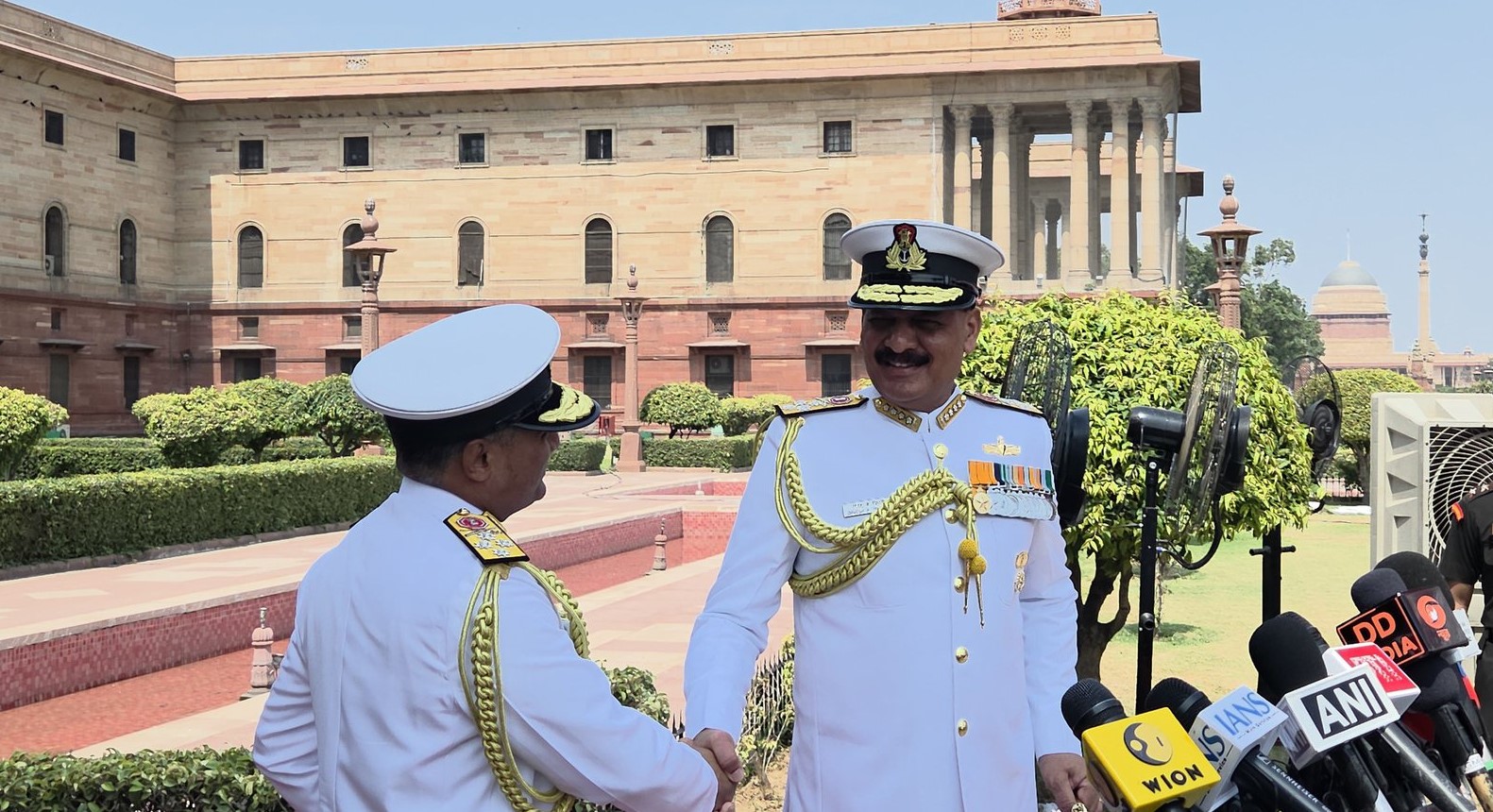
 Adm Dinesh K Tripathi and Adm Krishna Swaminathan (L) at South Block
New Delhi: Admiral Dinesh Kumar Tripathi retired on May 31, 2026, as the 26th chief of the naval staff, closing a 25-month tenure that will be remembered for record warship inductions, an assertive posture during the military standoff with Pakistan following the Pahalgam terror attack, and a sustained push to reduce the navy’s dependence on foreign-built platforms.
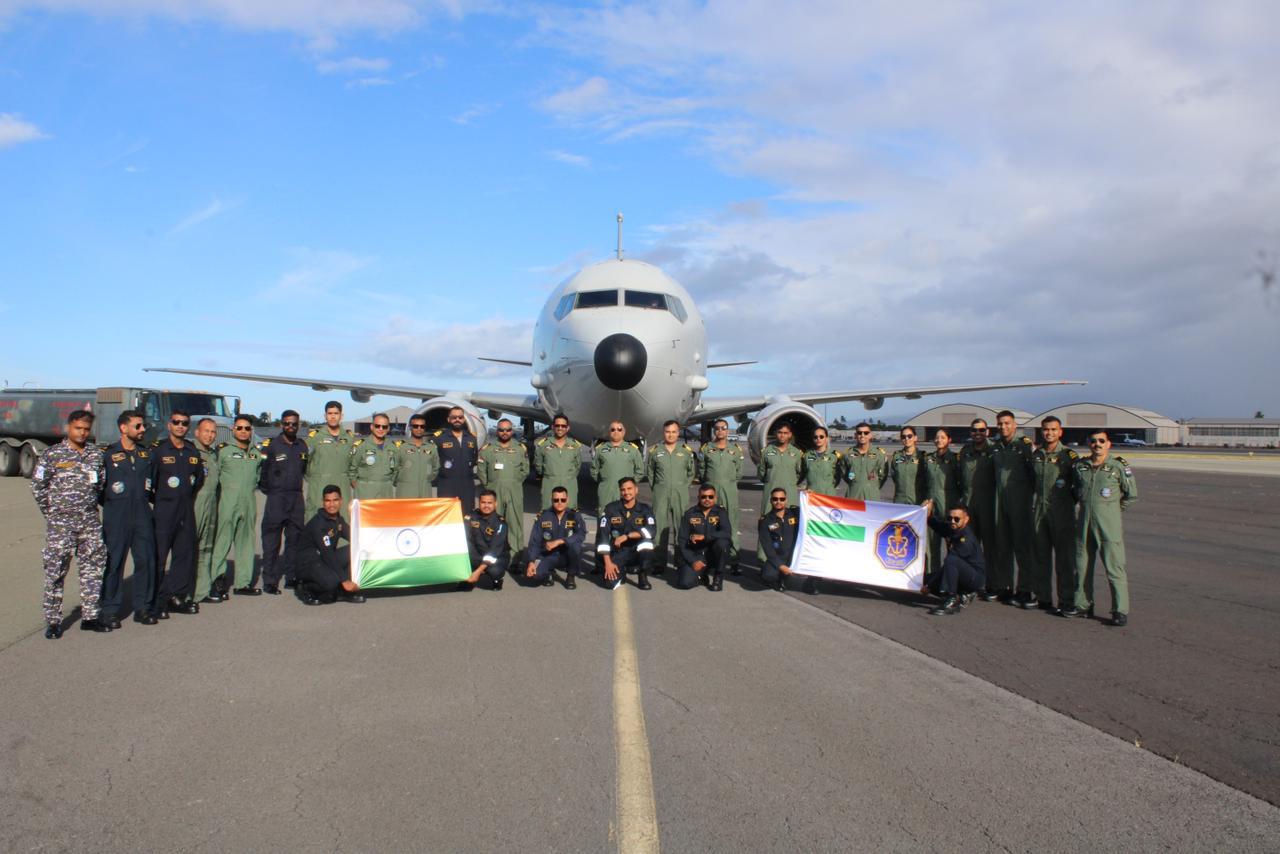
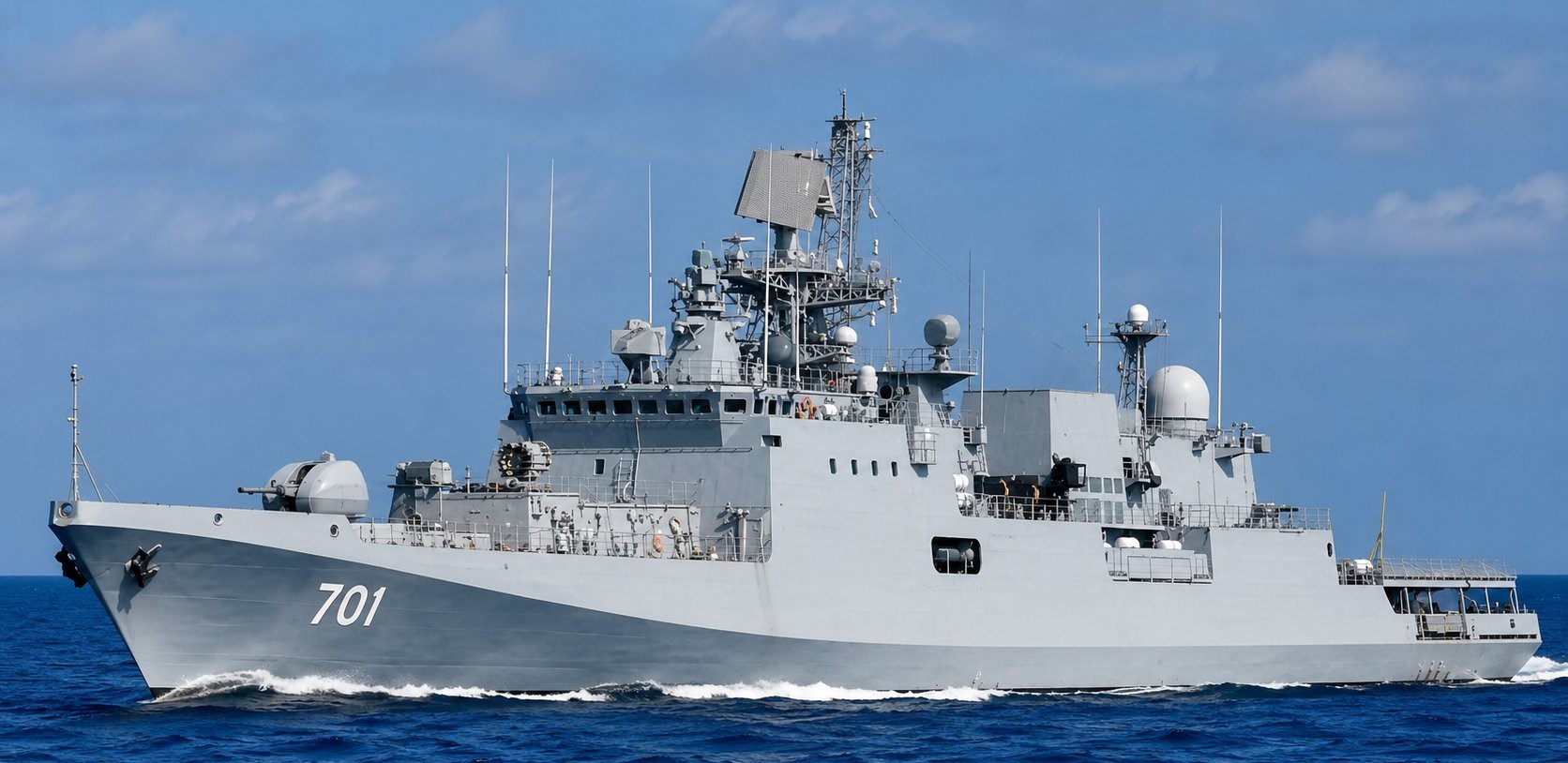
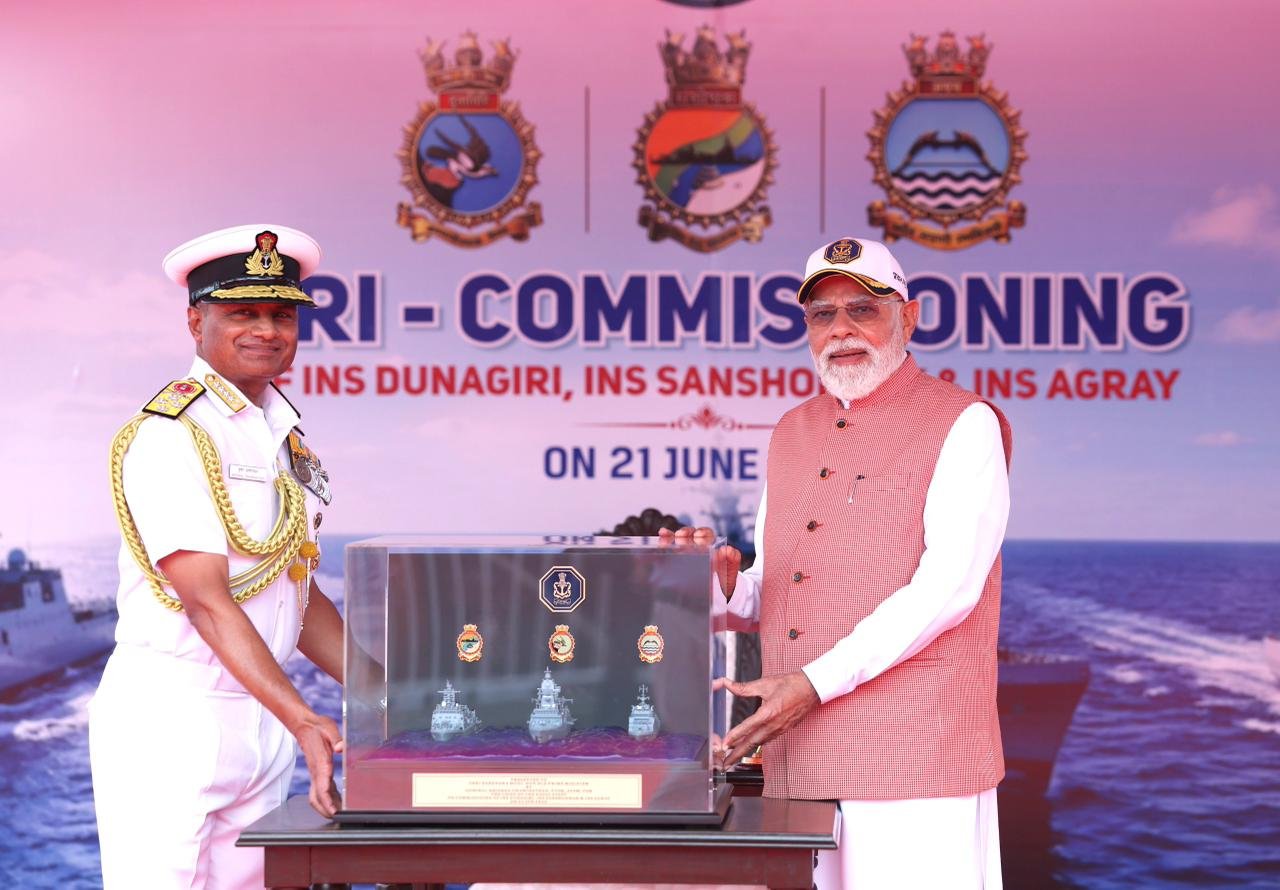
Adm Tripathi took charge on April 30, 2024, and set an immediate course towards greater self-reliance in shipbuilding. All 50 warships then on order were to be built in Indian shipyards, he declared – a commitment that went beyond hulls and extended to components, with the stated goal of a fully self-sufficient force by 2047. The results were tangible: in 2025 alone the navy commissioned 12 warships and one submarine, and plans are in place to induct a further 15 vessels in 2026, which would mark the highest annual induction rate in the service’s history.
Officials said the navy intends to commission roughly one ship every month over the next decade, with 96 vessels and submarines to join the fleet in that period.
Read also: Adm Swaminathan becomes 27th Navy chief amid theterization
A milestone celebrated during the period was the delivery of the 100th indigenously designed ship – a marker, the navy said, of India’s growing capacity to design and build complex warships without foreign assistance. The navy has traditionally sourced a significant share of its fleet from Russia and, more recently, from France, but the direction under Tripathi was unmistakably towards domestic production.
Operation Sindoor: navy’s contested hours in the Arabian Sea
The defining episode of Tripathi’s tenure, however, was the navy’s role in Operation Sindoor – the Indian military’s response to the Pahalgam terror attack of April 2025, which killed 26 people, mostly tourists, in Jammu and Kashmir. While the army and air force struck targets across the Line of Control and into Pakistani territory, the navy moved carrier battle groups into the northern Arabian Sea, adopting an aggressive posture that, Tripathi said, had a direct effect on Pakistani military calculations.
“It is not a hidden fact anymore that we were just minutes away from striking Pakistan from the sea when they requested a stoppage of kinetic actions,” Tripathi said at his retirement press conference, in remarks that carry significant weight given India’s customary restraint in disclosing operational details.
The Pakistan Navy, officials said, was effectively confined to its bases and to waters along the Makran coast for the duration of the heightened tensions, unable to manoeuvre into open seas. The knock-on economic effects were visible: merchant shipping began avoiding Pakistani ports, and war-risk insurance premiums for vessels calling at Karachi rose sharply. The navy maintained an elevated state of readiness in the western Arabian Sea for seven to eight months after tensions peaked, a commitment that required significant logistical and operational resources.
Read also: Gen Subramani takes charge as new CDS, inherits unfinished revolution
The defence minister, Rajnath Singh, praised the navy publicly for creating what he described as a deterrent posture that forced Pakistan to remain in harbour. “The world witnessed the operational readiness, professional capability, and strength of the navy during the operation,” Singh said.
Tripathi confirmed, without elaborating, that Operation Sindoor “remains in progress” – a phrase that left open the question of whether the navy’s heightened posture in the Arabian Sea was still in effect at the time of his retirement.
Diplomacy and the Indian Ocean
Beyond the western flank, Tripathi was active across the Indian Ocean region. He visited Sri Lanka in September 2025, holding talks with officials from its navy, air force, and army, and participating in the Galle Dialogue, a regional maritime security forum that India has used to deepen its engagement with littoral states.
Read also: CDS Gen Anil Chauhan retires, leaves behind legacy of military reform
India positions itself as the primary net security provider in the Indian Ocean, a role Tripathi sought to reinforce through consistent diplomatic outreach.
Counter-piracy and sea-lane security
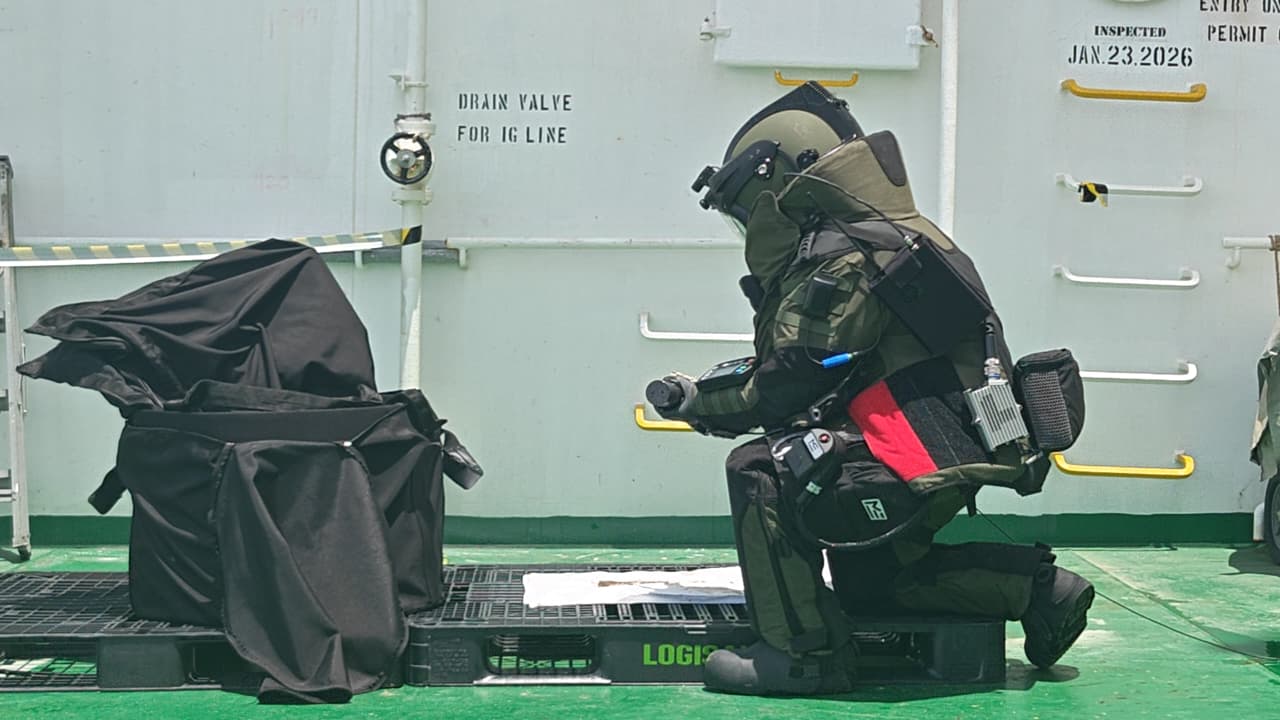
The navy’s wider operational commitments during the period included deploying 40 capital ships to protect sea lanes carrying cargo worth nearly $5.6 billion, apprehending 52 pirates, and maintaining a continuous presence in the Gulf of Aden since 2008. Since that deployment began, navy vessels have escorted close to 7,800 merchant ships through waters long plagued by Somali piracy – a mission that has also served as practical training for extended blue-water operations.
Admiral Tripathi retires today, having commanded a navy that stood at the edge of combat and did not blink.
Tripathi’s successor – Admiral Krishna Swaminathan – takes charge now, will inherit a service that has grown in size, capability, and confidence – but also one whose budget and personnel requirements will need to keep pace with the ambitions its outgoing chief articulated.
Follow us on social media for quick updates, new photos, videos, and more.
X: https://x.com/indiasentinels
Facebook: https://facebook.com/indiasentinels
Instagram: https://instagram.com/indiasentinels
YouTube: https://youtube.com/indiasentinels
© India Sentinels 2026-27