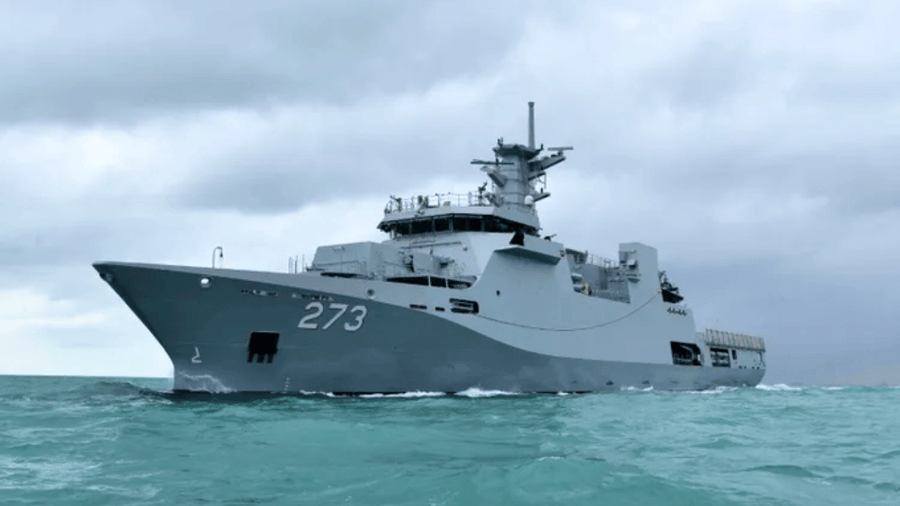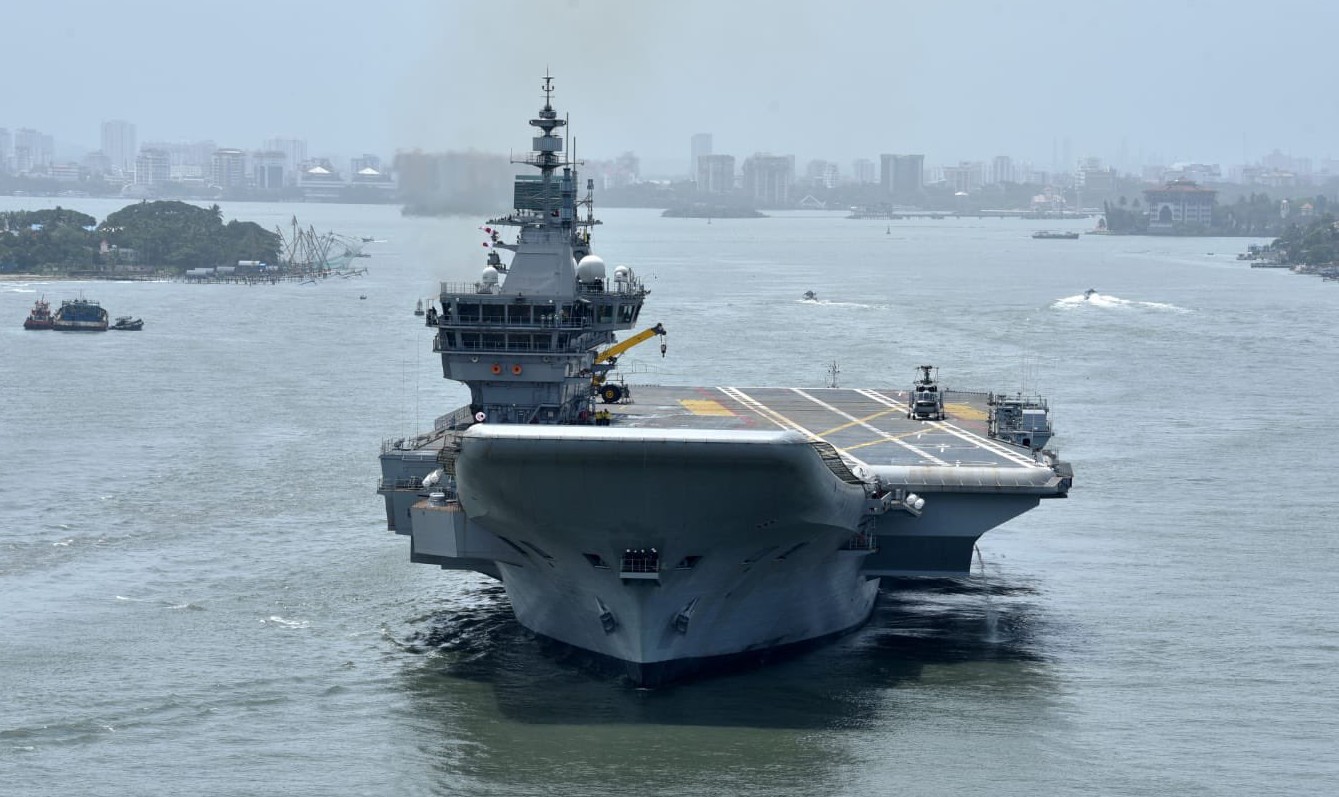
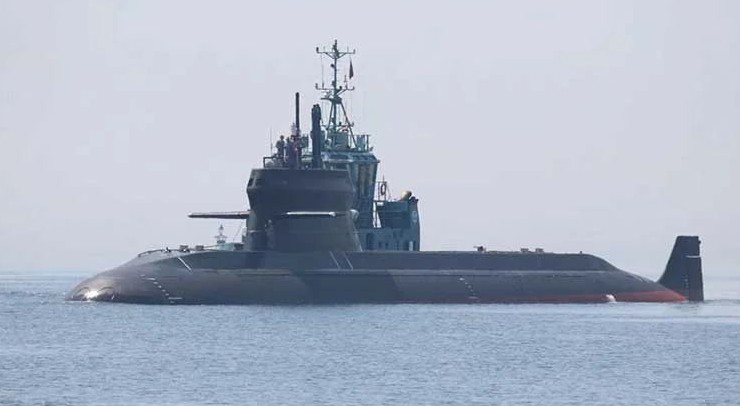
Ask what the Pakistan Navy is built for and the answer has not changed in decades: the Arabian Sea and whatever lies between Karachi and an Indian adversary. Every frigate, submarine and replenishment ship in its inventory has been bought, crewed and drilled with that geography in mind.
The Bab al-Mandeb Strait and the southern Red Sea, roughly 1,000km further out, ask for something else entirely, a navy that can sustain itself far from home for long stretches. That is not a capability gap unique to Pakistan; it is an expensive one that few middle powers possess. But it means Pakistan enters this crisis with a fleet built for a different war.
The Iran-US conflict has shown that Pakistan can act decisively when it chooses to. On March 9, the navy launched Operation Muhafiz-ul-Bahr to guard its own energy imports and shipping lanes near Karachi. That is a genuine display of capability and resolve. It is also a narrow one.
Officials have described the mission as covering Pakistan-flagged merchant vessels on specific routes tied to Karachi, not the thousands of Pakistani seafarers working aboard foreign-flagged ships that pass through the Gulf of Aden and the Red Sea every week. When its own shipping is at stake, Pakistan moves. When it is Pakistani labour on someone else's vessel, the posture has, so far, looked different.
Outside Muhafiz-ul-Bahr’s limited footprint, the Bab al-Mandeb is patrolled by others. A US-led naval coalition formed in December 2023, the European Union's Operation Aspides, and the Combined Maritime Forces’ own task-force structure between them run the security architecture of that corridor. Pakistan is not meaningfully part of any of it.
That gap stopped being theoretical on August 11, when Houthi missiles hit the cargo vessel Tihamah near the strait, killing several crew members, including Pakistani nationals. Islamabad's response afterwards was to point out the ship’s non-combatant status and ask the relevant authorities for clarity, the language of a government waiting to be told what happened, not one with its own eyes on the water. That is not a knock on the statement; it is simply what dependence sounds like once something goes wrong.
The exposure runs deeper than any one strike. Pakistani seafarers send home a meaningful share of the country’s remittances, and the Bab al-Mandeb corridor carries energy and trade the domestic economy relies on. If insurance premiums climb, or crews grow reluctant to sail that route, Pakistan absorbs the cost, while the decisions that shape risk in that corridor are made largely in Washington and Brussels, inside a coalition Islamabad does not lead.
None of this points to mismanagement by Pakistan Navy. A force sized for the threat on its own doorstep was never going to double as an expeditionary navy a thousand kilometres away, and it would be unfair to judge it against a mission it was never built for. But that sensible allocation of resources carries a real cost: when Pakistani lives are threatened in that particular stretch of water, Islamabad can ask questions once the damage is done. It cannot do much to stop it happening in the first place.