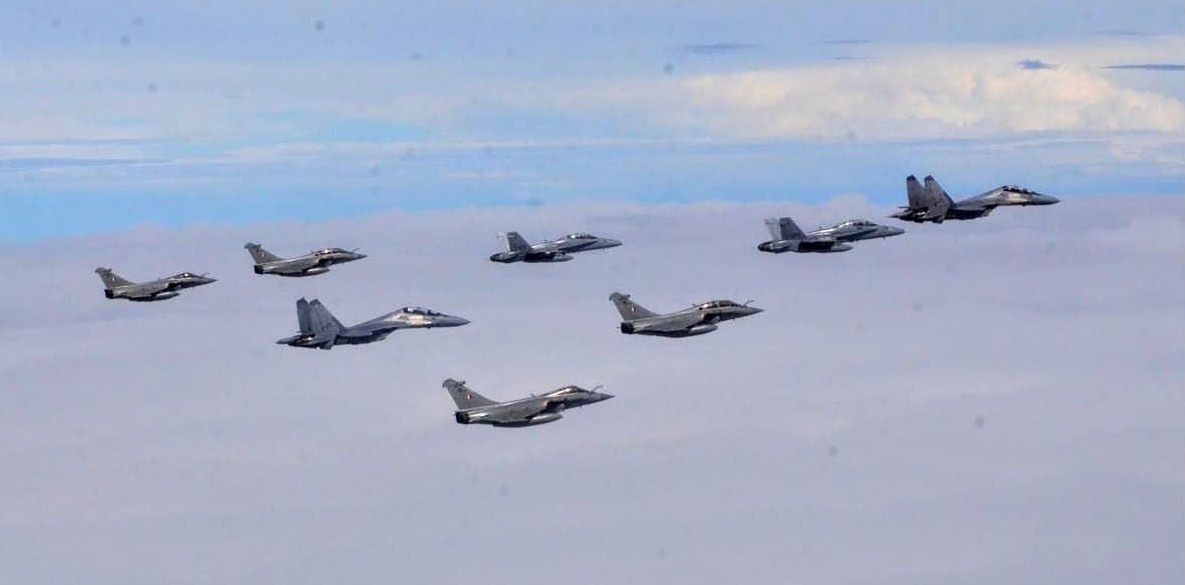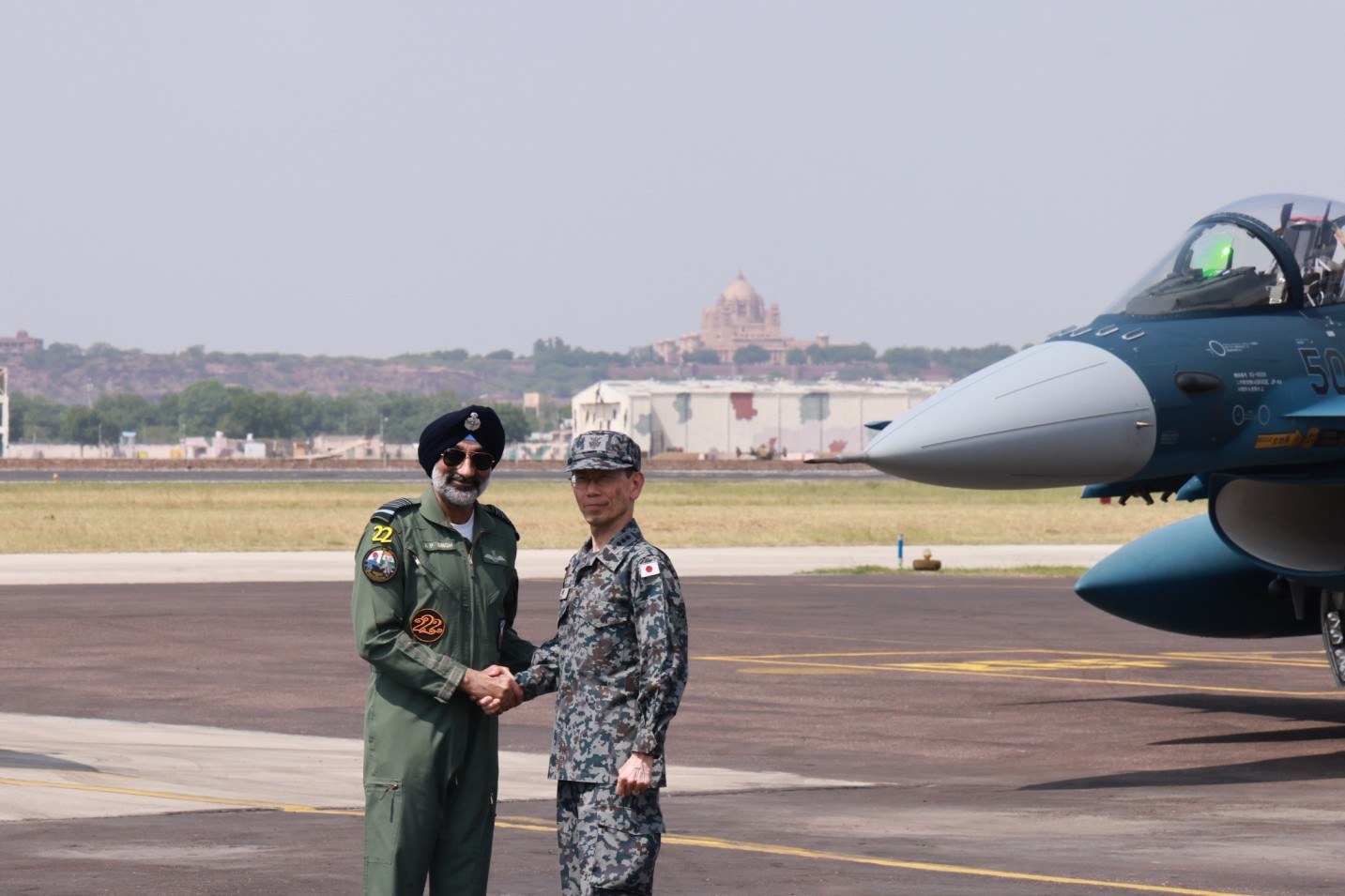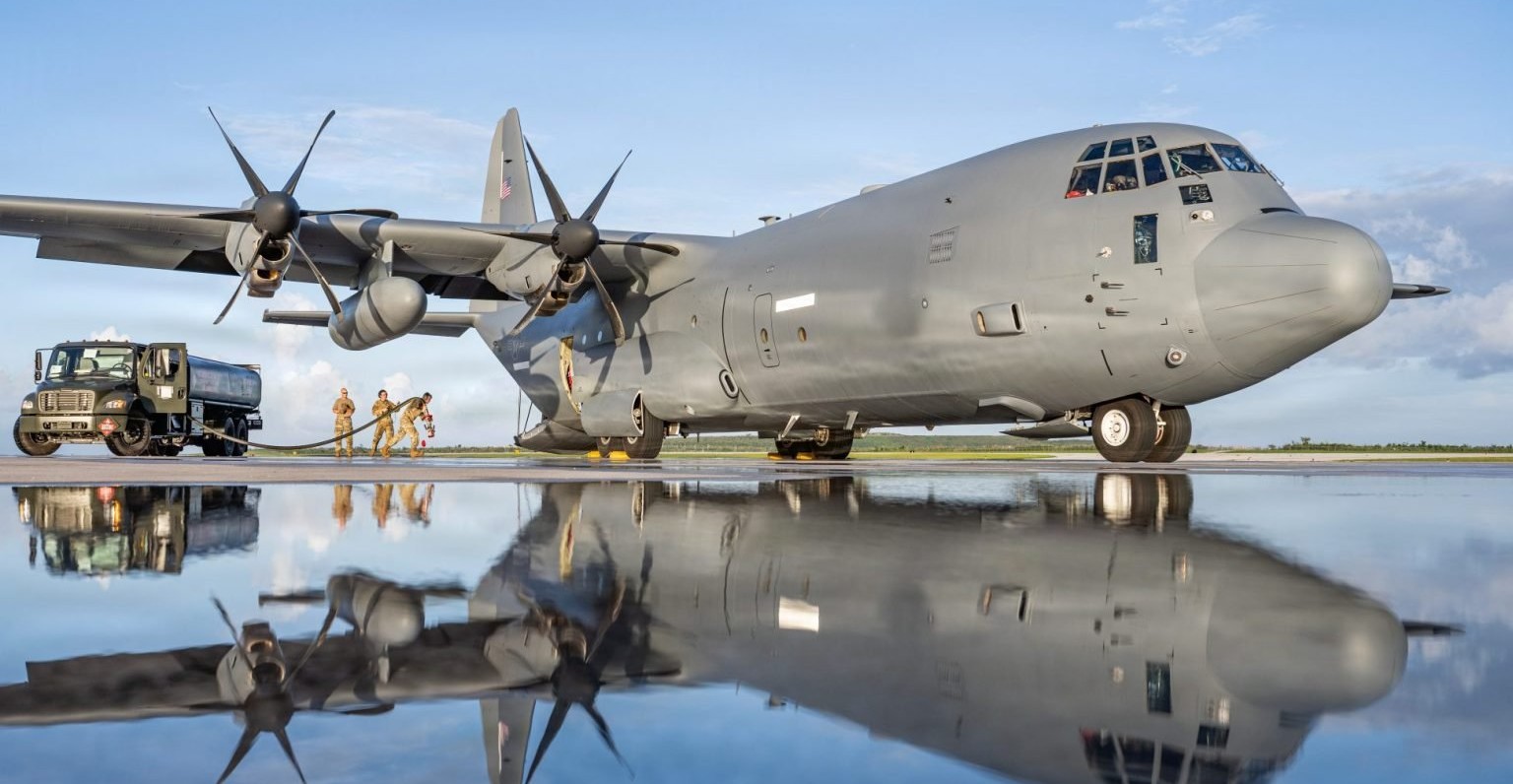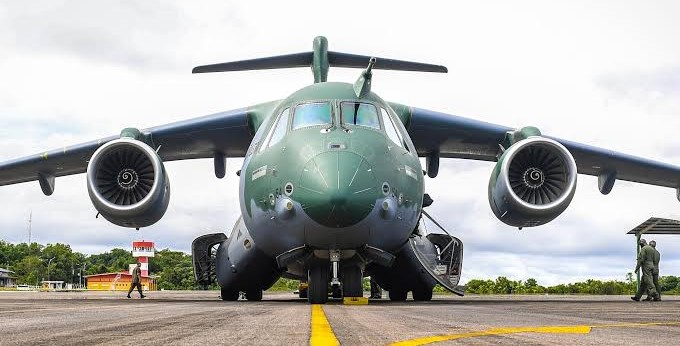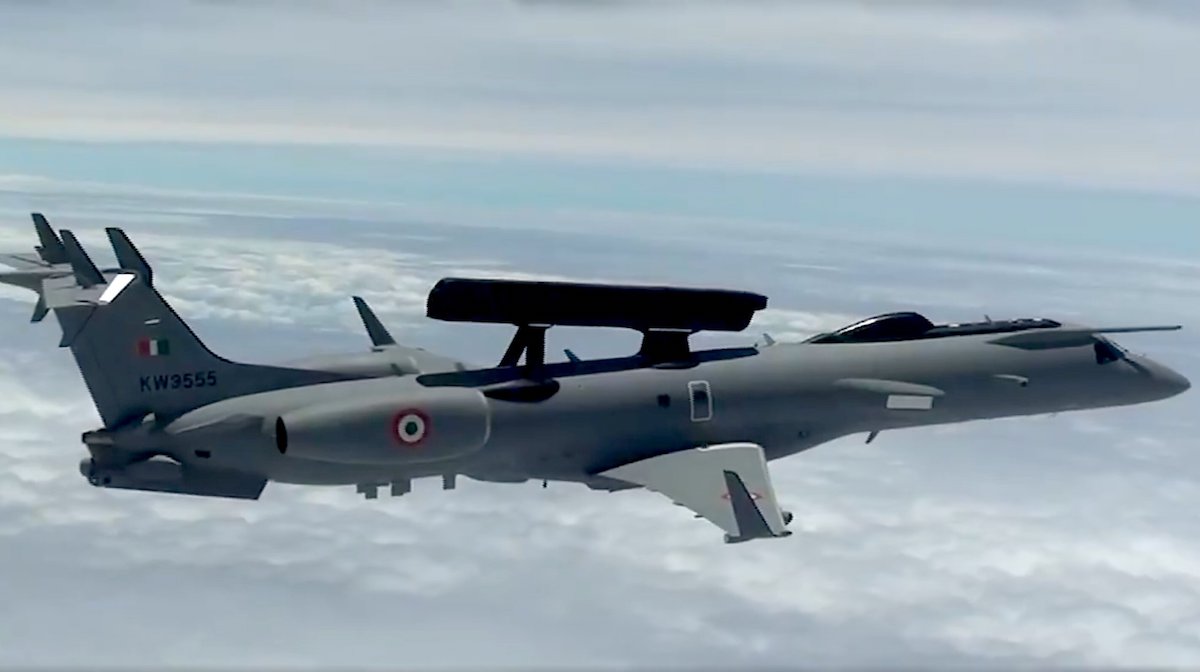
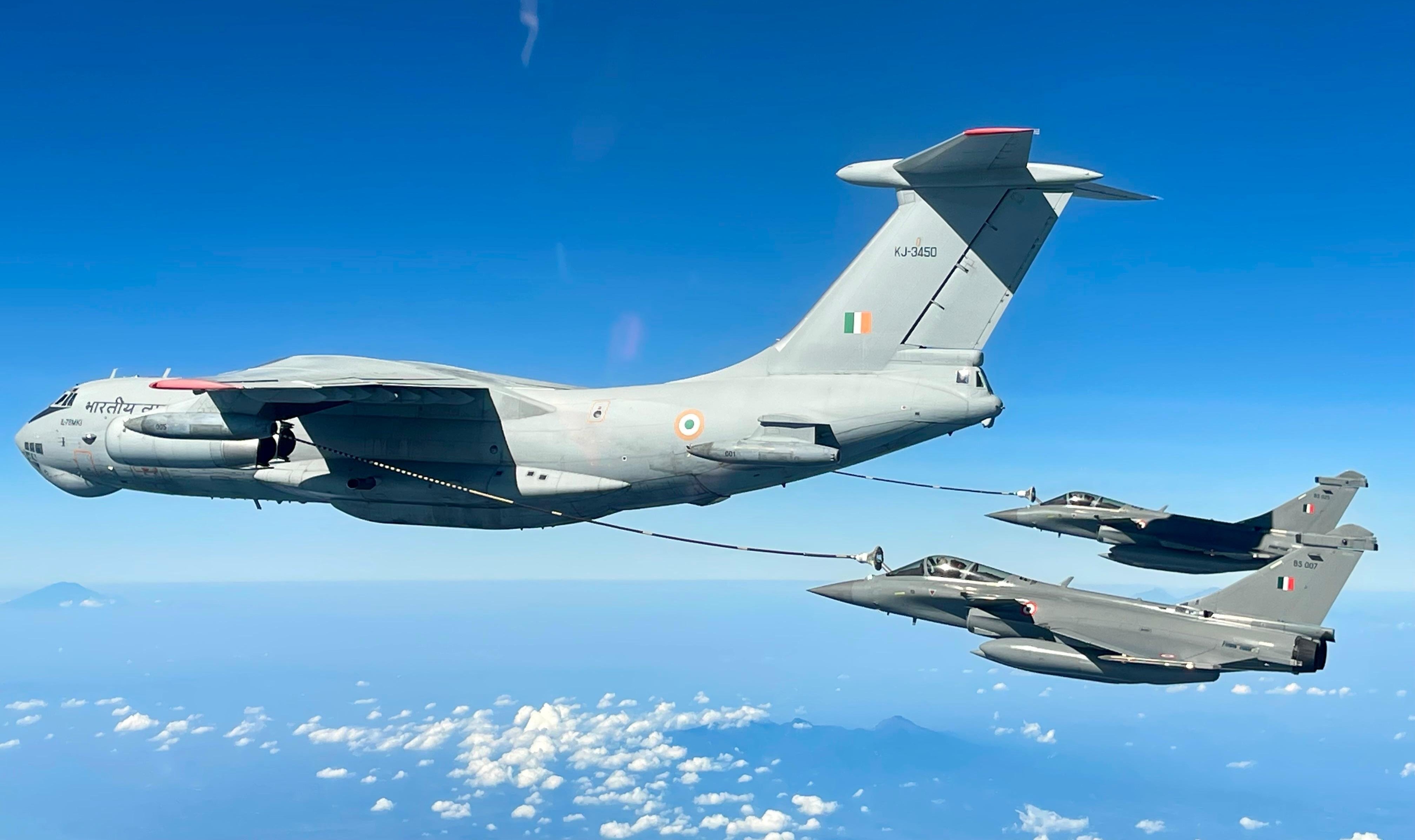
 India's Rafale to participate in Exercise Pith Black 2026 (Photo: IAF)
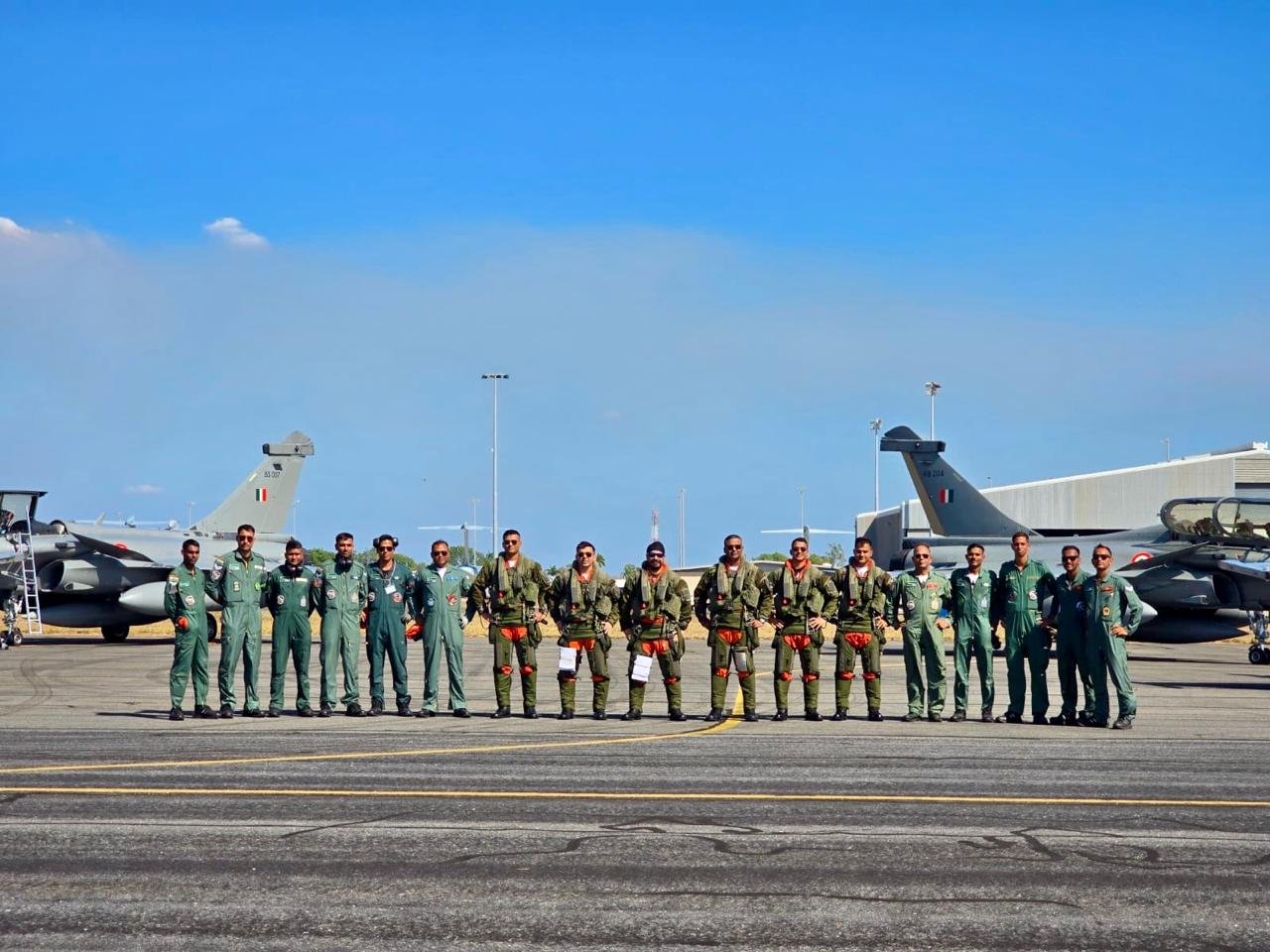
New Delhi: A contingent of the Indian Air Force, comprising four Rafale fighter jets, two C-17 Globemaster III transport aircraft and more than 120 air warriors, has landed in Darwin, Australia, to take part in Exercise Pitch Black 2026, the largest edition yet of the Royal Australian Air Force’s (RAAF) flagship multinational air combat exercise.
The three-week drill, running from July 20 to August 7 across RAAF bases Darwin and Tindal in the Northern Territory and Amberley in Queensland, will bring together roughly 100 aircraft and more than 2,500 personnel from 20 countries – among them all four Quad partners, Australia, the US, Japan and India.
Confirming the contingent’s arrival, the Indian high commission in Canberra said on X that it was “proud to welcome the Indian Air Force contingent of four Rafale and two C17 aircraft along with over 120 Air Warriors to Darwin” for the exercise.
Over the coming three weeks, the mission said, Indian air warriors would fly alongside counterparts from participating nations “towards enhancing interoperability, sharpening combat flying skills, strengthening relationships, and building everlasting bonds”.
The IAF, in a separate statement, described the exercise as a platform to sharpen operational synergy and exchange best practices with partner air forces, calling it an opportunity to build interoperability at scale.
A biennial fixture since the early 1980s
Pitch Black has been staged out of Darwin since 1983 and has grown steadily in size and complexity over four decades to become the RAAF’s premier international air-combat exercise.
This year’s edition is expected to be one of the largest, involving high-intensity, combat-representative scenarios spread across one of the world’s biggest military training airspaces.
The exercise commander of Pitch Black 2026, Air Commodore Matthew McCormack, described it as Australia’s largest collective training activity with its partners and allies. “It’s where we plan together, fight together and learn together through realistic and complex training scenarios,” McCormack said, adding that this year’s iteration would build on lessons drawn from the 2024 edition and remained highly sought after by participating nations because of the sheer scale of training airspace on offer.
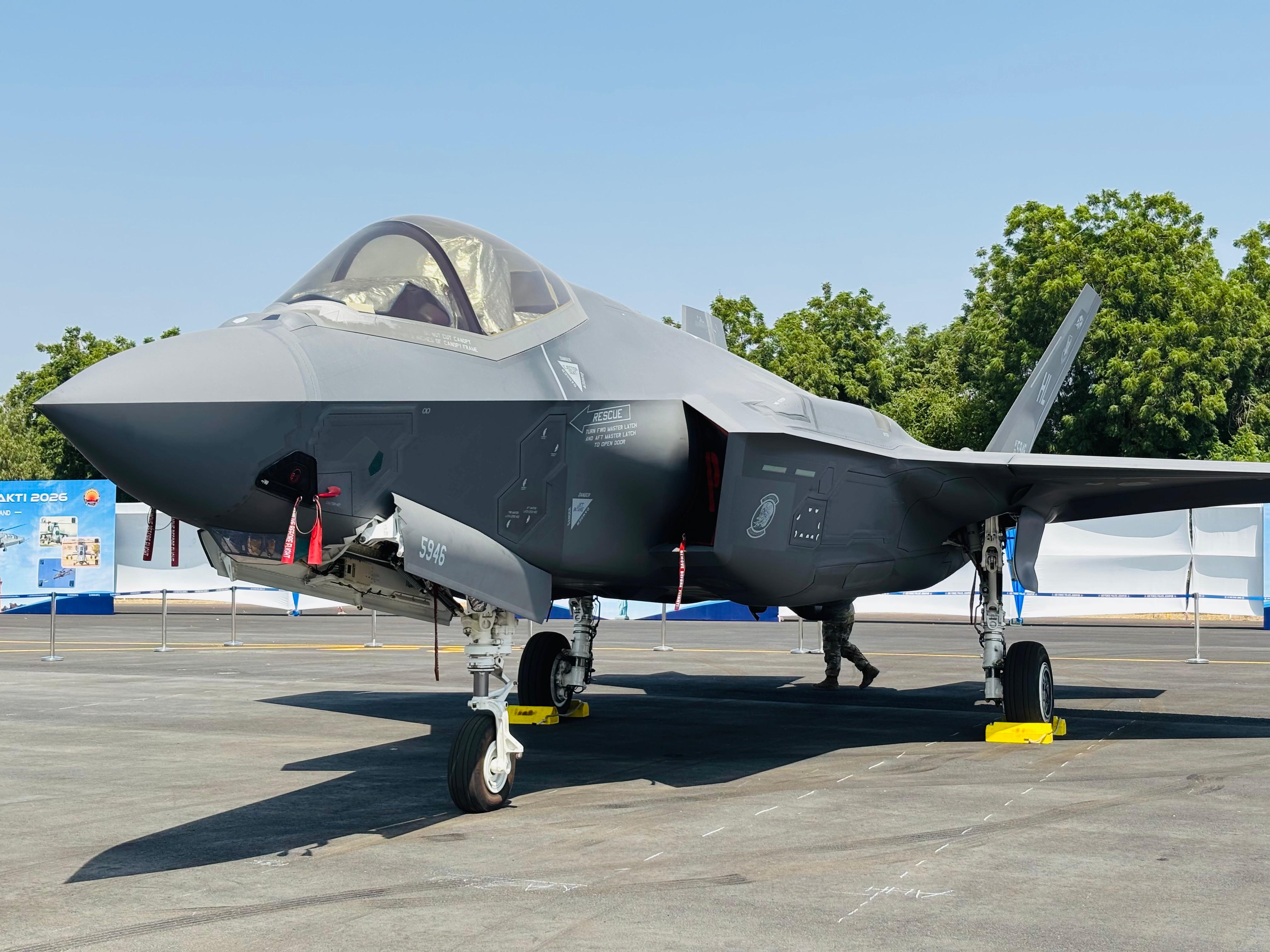
Pitch Black 2026 also carries several firsts. It marks the debut appearance of Japan’s Air Self-Defense Force F-35 Lightning II stealth fighters and Indonesia’s T-50i Golden Eagle jets at the exercise, while Finland and Sweden are sending embedded personnel for the first time – a reflection of how the drill has widened well beyond its original Indo-Pacific footprint to draw in European air forces as well.
Beyond the Quad nations, the exercise roster includes Papua New Guinea, Indonesia, the Philippines, Thailand, South Korea, Singapore, Germany, France and Spain fielding aircraft, with New Zealand, Fiji, Canada, Brunei, Malaysia, Finland and Sweden contributing personnel. The combined line-up is expected to feature F-35 fleets from Australia, the US and Japan, Eurofighter Typhoons from Germany and Spain, and light combat types such as South Korea’s FA-50, the Philippines’ FA-50PH and Indonesia’s T-50i, alongside India’s Rafales.
Rafale’s expanding international footprint
For the IAF, the deployment offers the twin-engine, French-built Rafale – inducted into service from 2020 under a government-to-government deal for 36 aircraft with Dassault Aviation – a further opportunity to operate alongside fifth-generation platforms such as the F-35 in a large, contested-airspace environment, sharpening tactics that would otherwise be difficult to rehearse over Indian skies alone.
The exercise also arrives against the backdrop of a steadily thickening defence relationship between New Delhi and Canberra, which has, in recent years, expanded from bilateral naval drills such as AUSINDEX to trilateral and multilateral engagements, including the navy-led Malabar exercise, reflecting a shared interest in a stable and rules-based Indo-Pacific.
With the drills scheduled to run until August 7, the IAF contingent is expected to fly a series of complex, large-force missions alongside its counterparts before returning home once the exercise concludes.
Follow us on social media for quick updates, new photos, videos, and more.
X: https://x.com/indiasentinels
Facebook: https://facebook.com/indiasentinels
Instagram: https://instagram.com/indiasentinels
YouTube: https://youtube.com/indiasentinels
© India Sentinels 2026-27