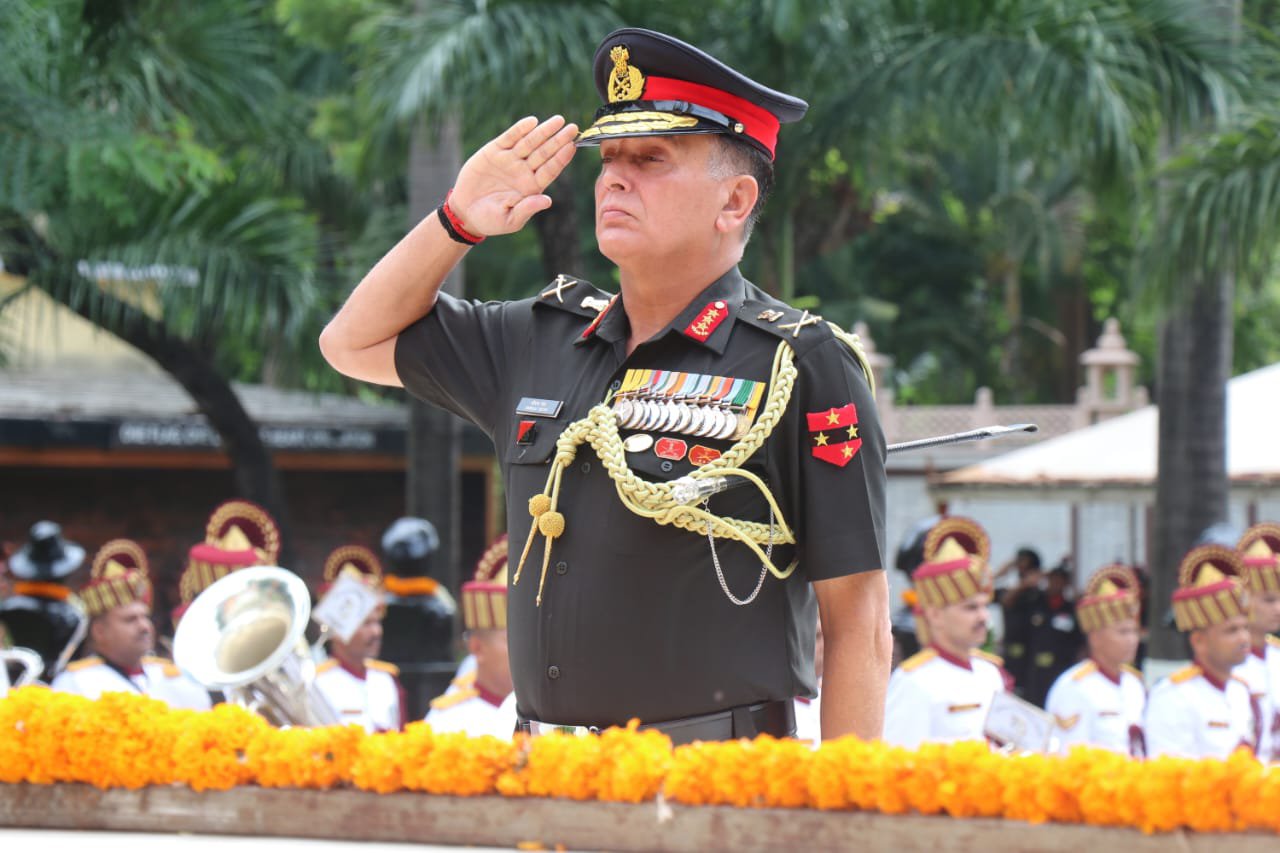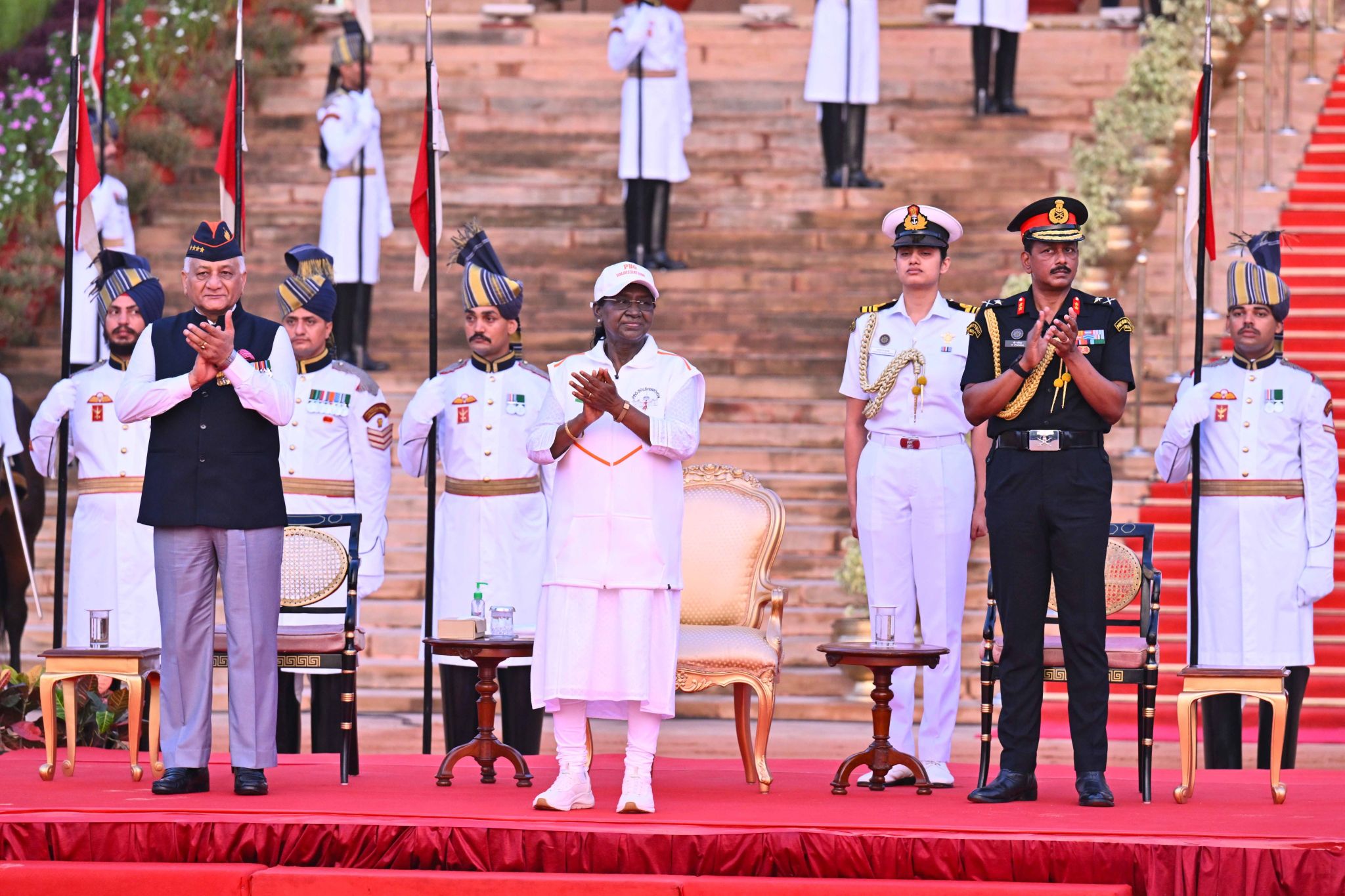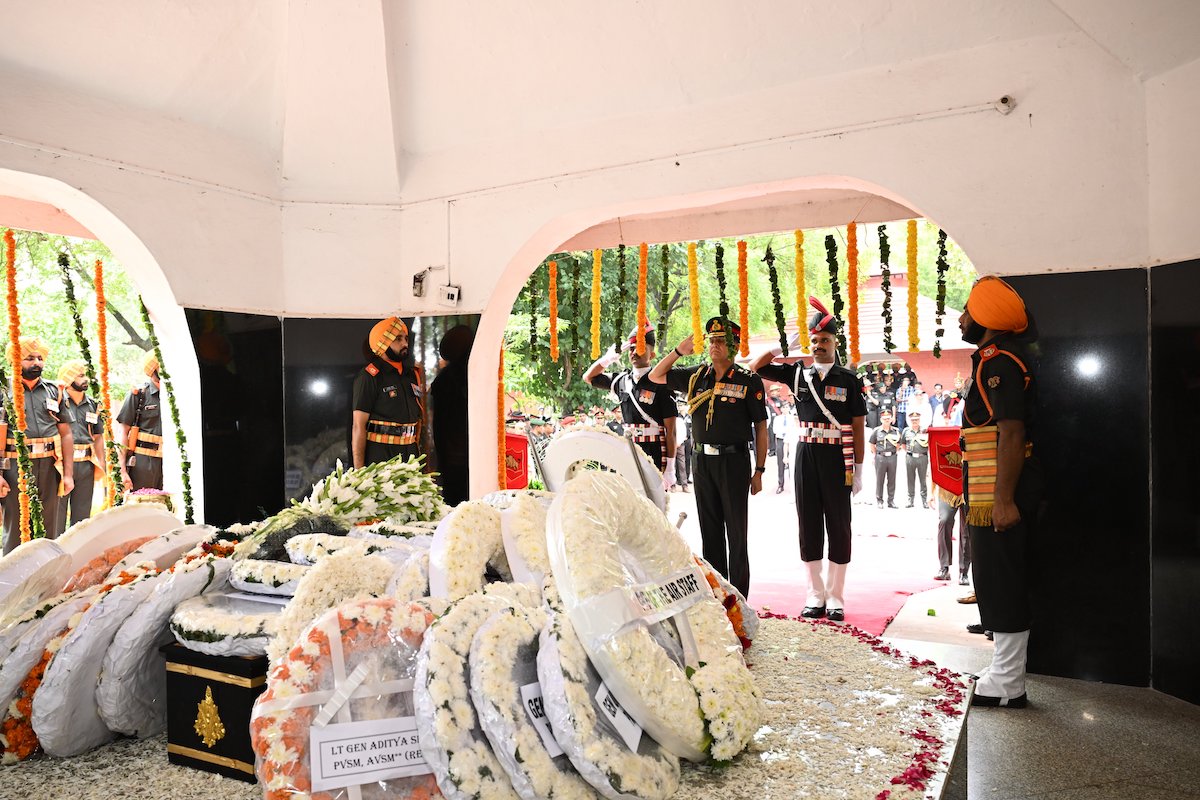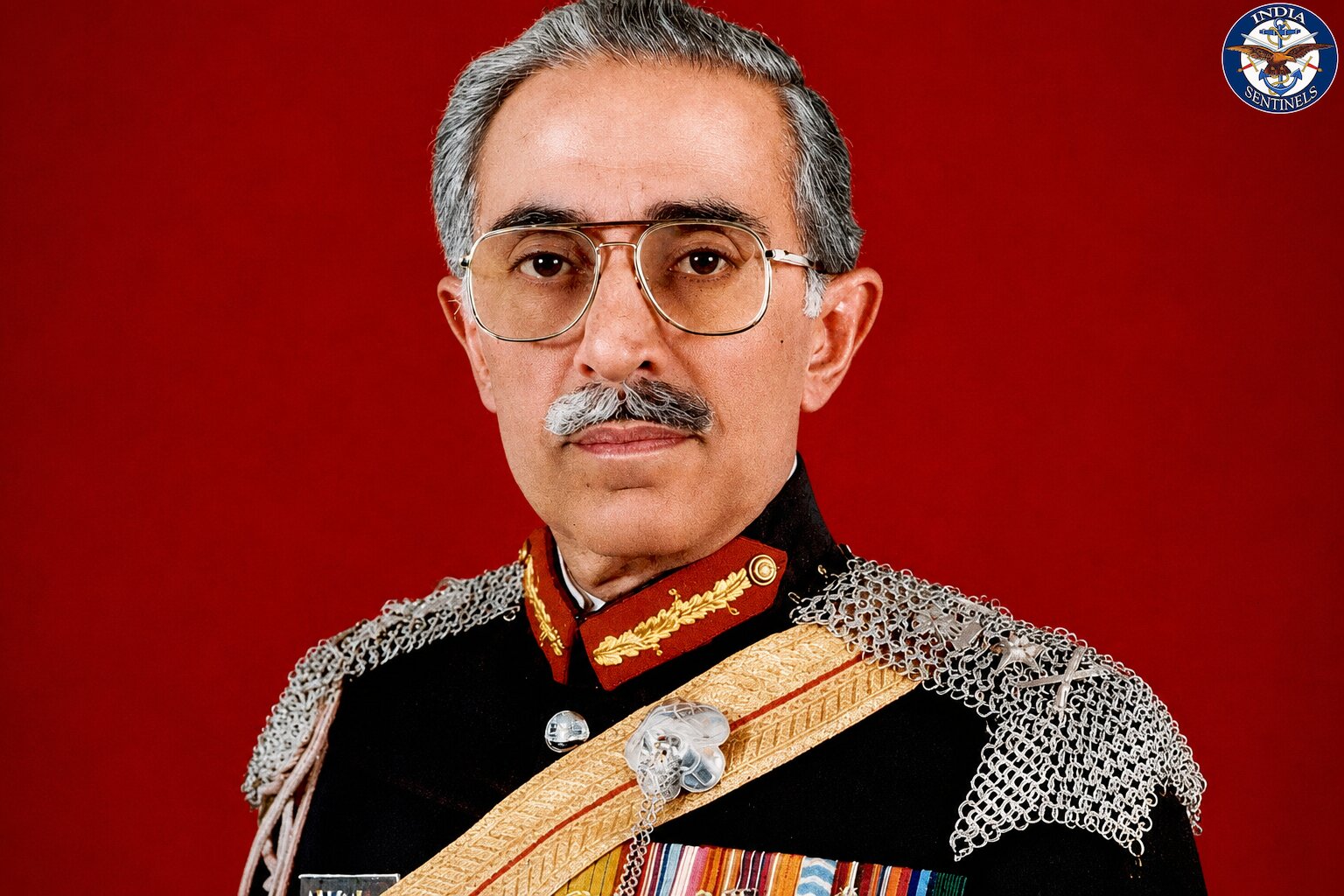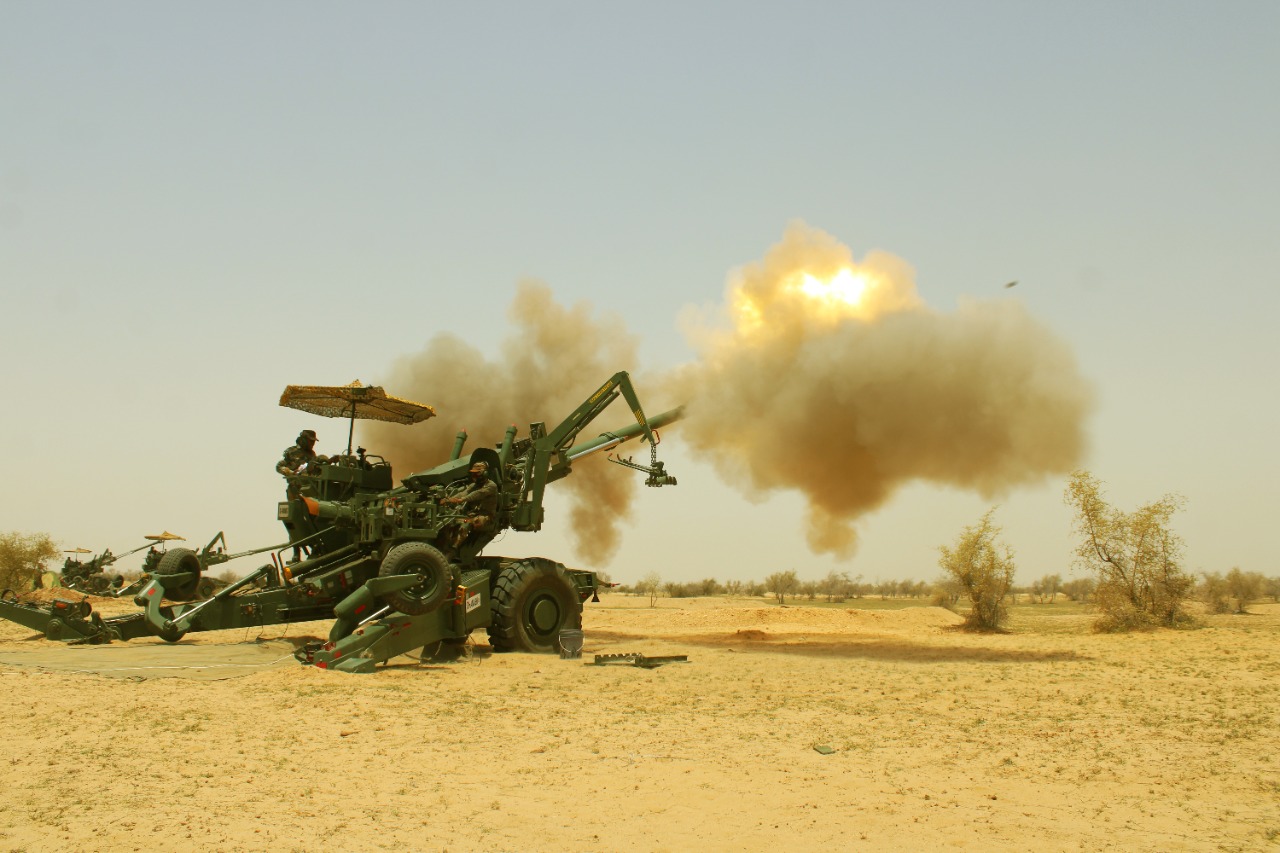
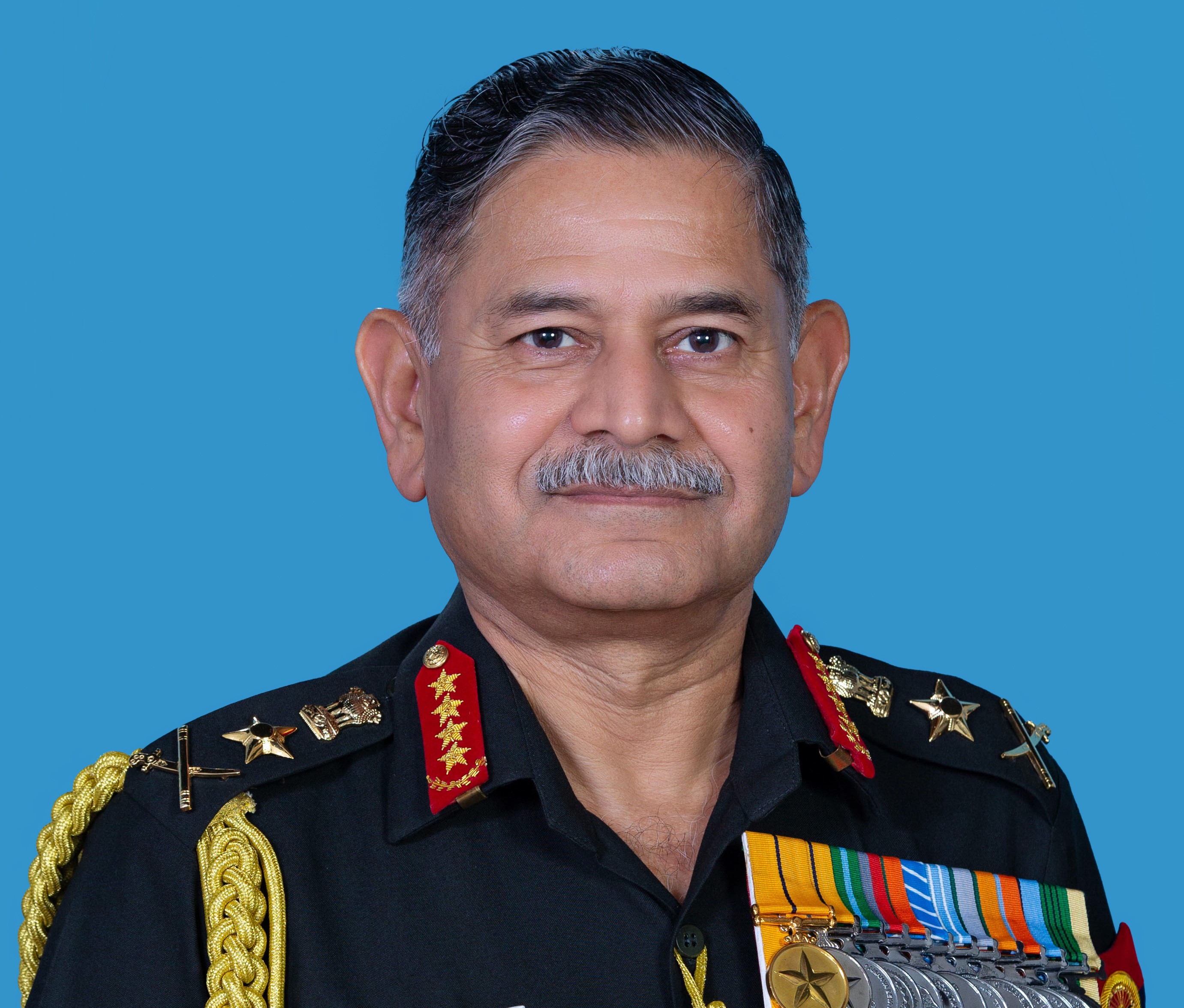
 Gen Upendra Dwivedi superannuated on June 30, 2026. (Photo: Indian Army)
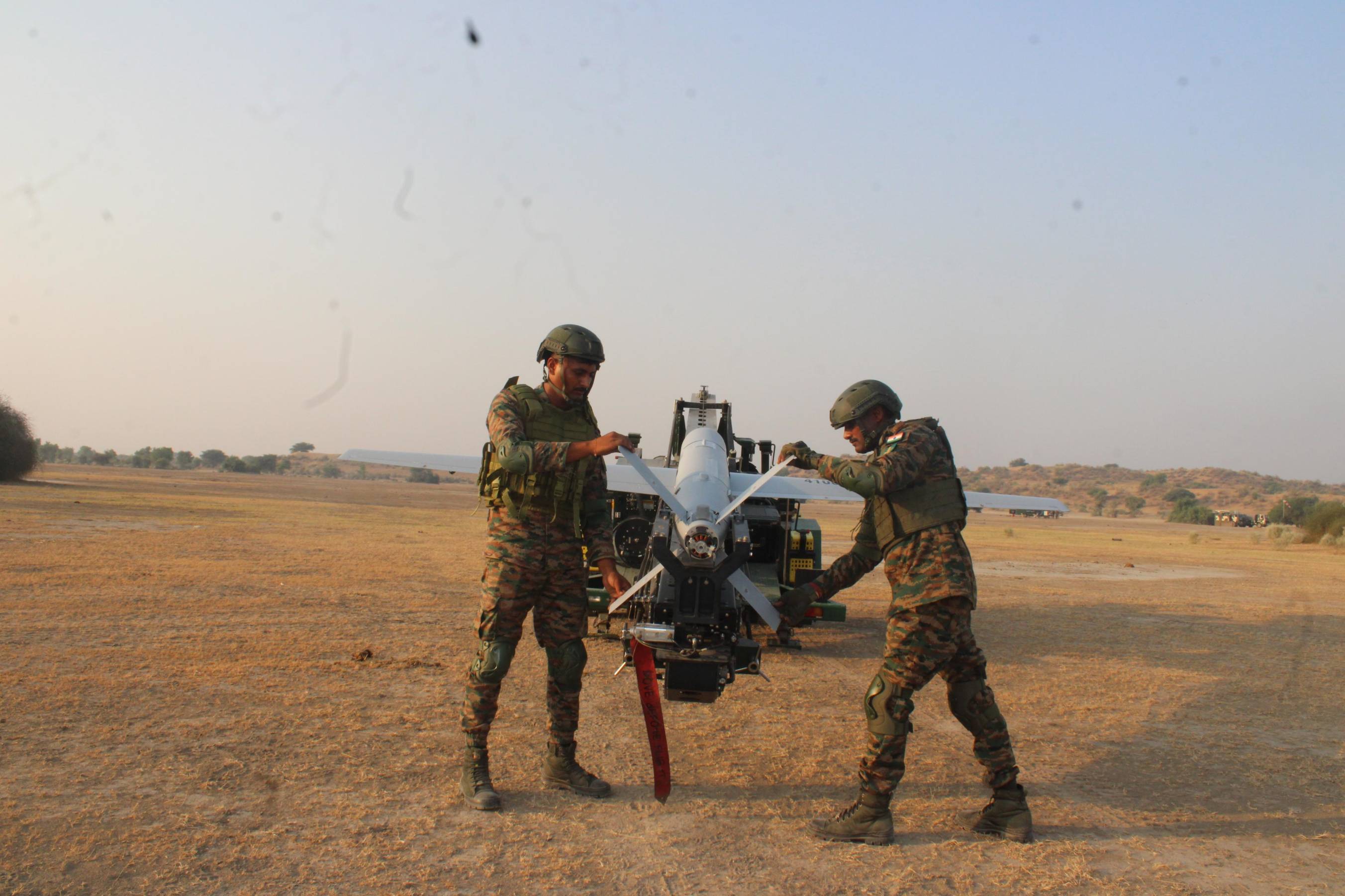
New Delhi: General Upendra Dwivedi retired as chief of the Army staff on Tuesday, leaving behind a number that has become shorthand for his tenure – 50,000 drones. Add 25-plus drone hubs, a 500-kilometre operational reach, nearly 25 new doctrine documents, and a 32-nation military conclave, and it's easy to see why he's earned the nickname “Drone General”.
But the figures describe an outcome, not the decision behind it. That decision was to treat the Army’s technological overhaul as an institutional emergency, not a distant goal.
Ukraine, Gaza and Lebanon had already shown what modern war looks like: transparent battlefields, unmanned systems, electronic warfare, and precision fires moving faster than legacy forces could respond. Gen Dwivedi read that shift and moved to close the gap quickly.
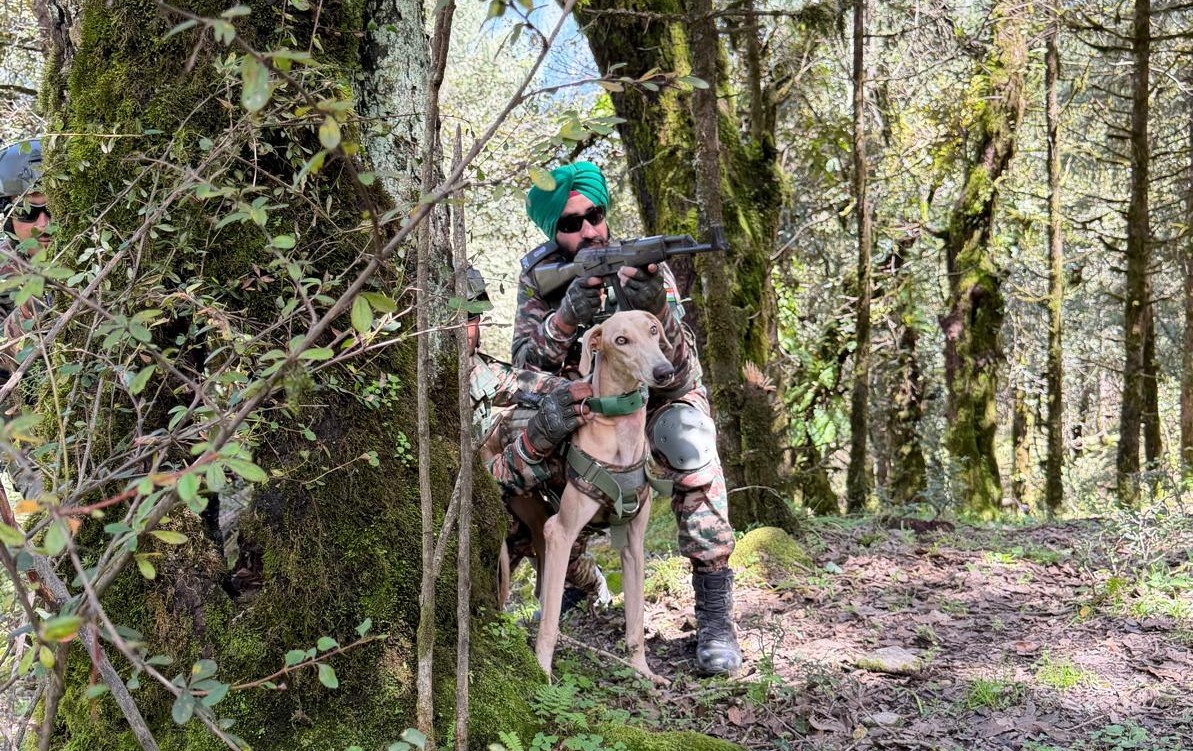
The change went deeper than rebranding old units. Bhairav battalions, Ashni platoons, Divyastra batteries, and Rudra all-arms brigades were built from scratch for multi-domain combat.
More than 25 drone and counterdrone hubs were established to sustain operations, not signal intent. Indigenous production was pushed hard, on the logic that depending on foreign suppliers for a force’s newest critical capability is a vulnerability waiting to be exploited.
Nearly 25 doctrine and policy documents tied the transformation together intellectually, built around one demanding standard: every soldier should become technology-aware and drone-capable. That’s not a job for a few specialist units but requires the whole institution to shift.
Operation Sindoor was the proof. Drones, loitering munitions, electronic warfare, and real-time intelligence worked together in a live campaign, turning Gen Dwivedi’s agenda from plan into record. Analysts now point to it as a template for how India will fight in the future.
His focus extended outward too. Military diplomacy expanded through the UNTCC Chiefs Conclave, bringing together 32 nations. The “Friends for Life” platform now links nearly 100,000 alumni of Indian military training institutions worldwide, while dual-use infrastructure projects strengthened both defence readiness and civilian connectivity along the borders.
None of this was peripheral – it reflected the same belief that a modern military draws strength from being embedded in a modern state and a connected world.
Fifty thousand drones later, the Army looks different. Gen Dwivedi’s real achievement isn't the hardware – it’s that the transformation is now built to outlast him.
Follow us on social media for quick updates, new photos, videos, and more.
X: https://x.com/indiasentinels
Facebook: https://facebook.com/indiasentinels
Instagram: https://instagram.com/indiasentinels
YouTube: https://youtube.com/indiasentinels
© India Sentinels 2026-27