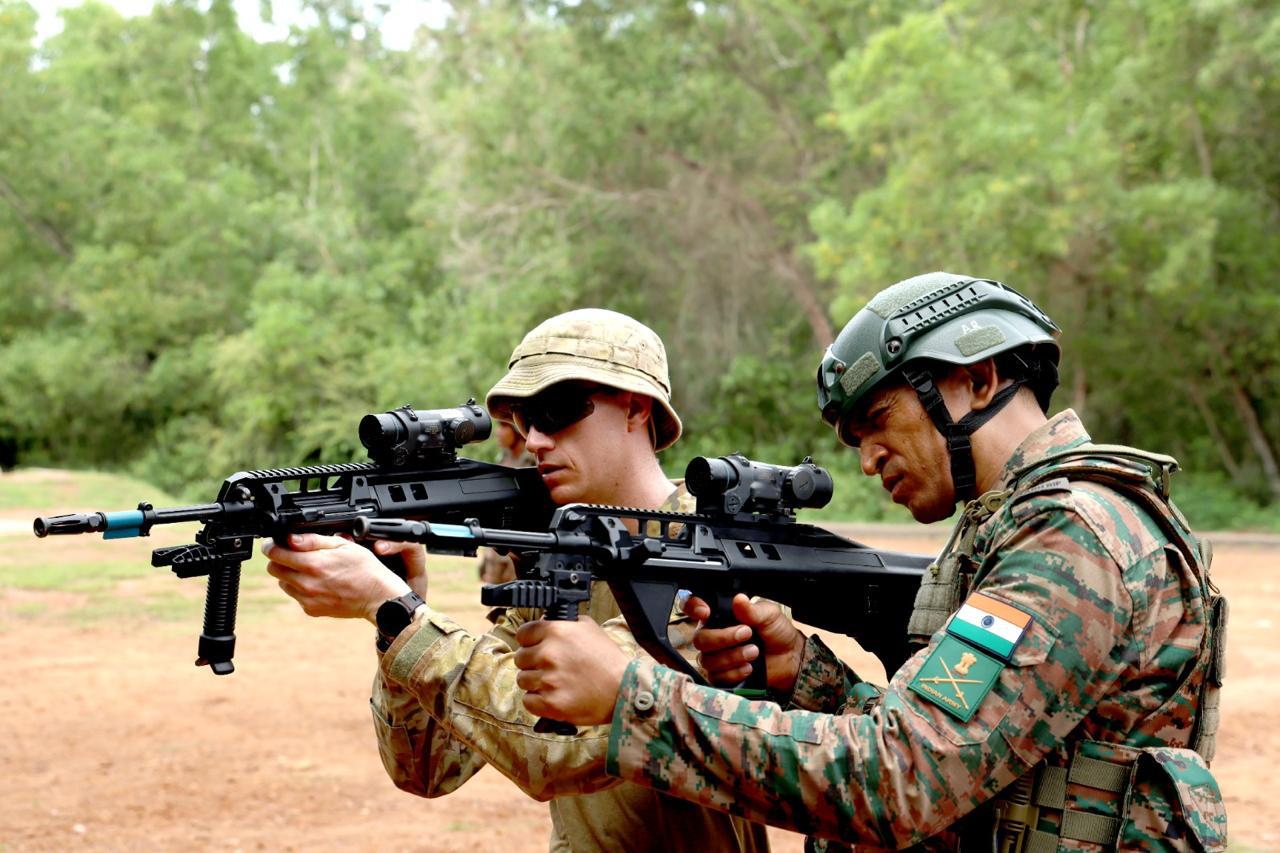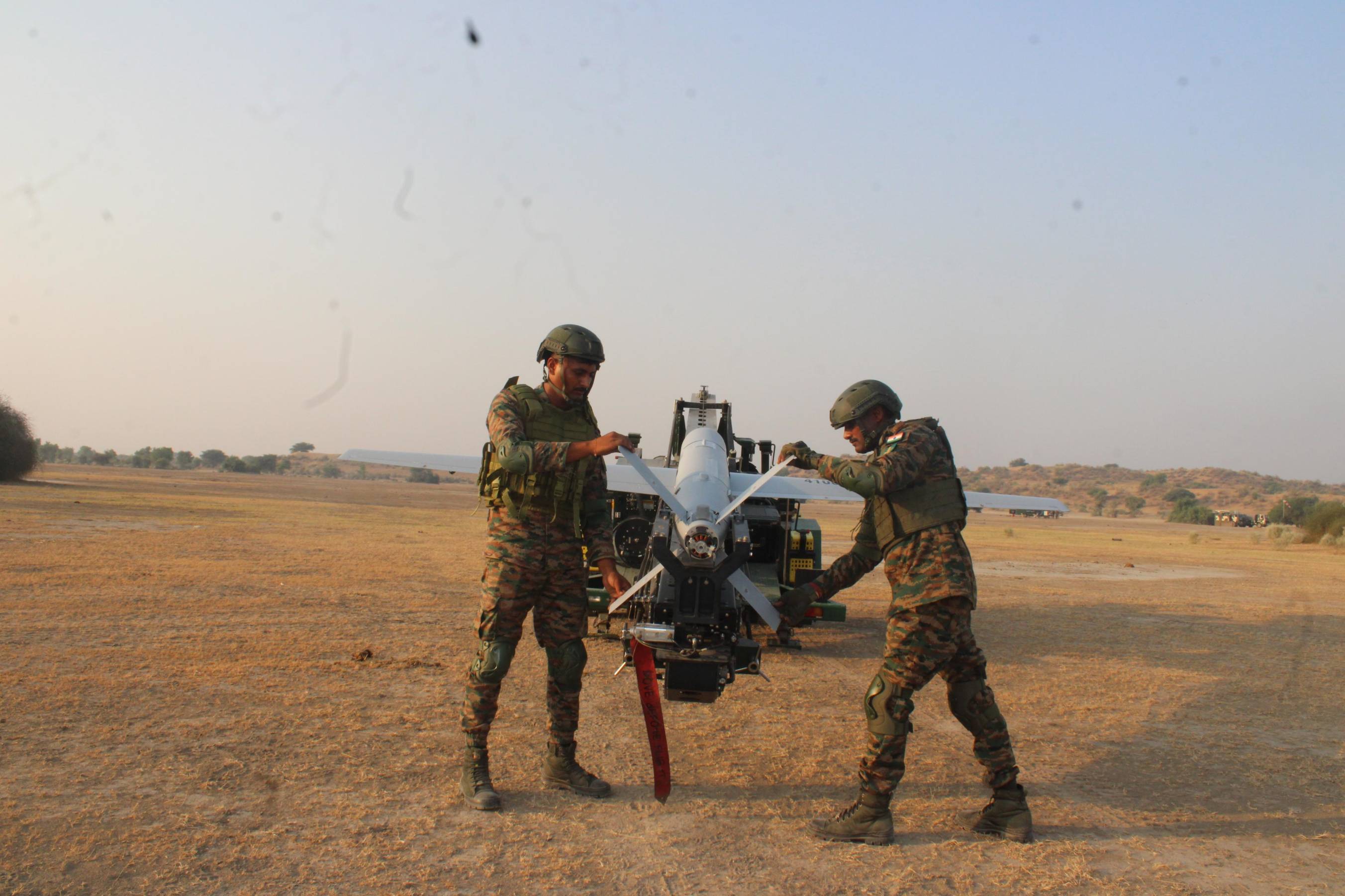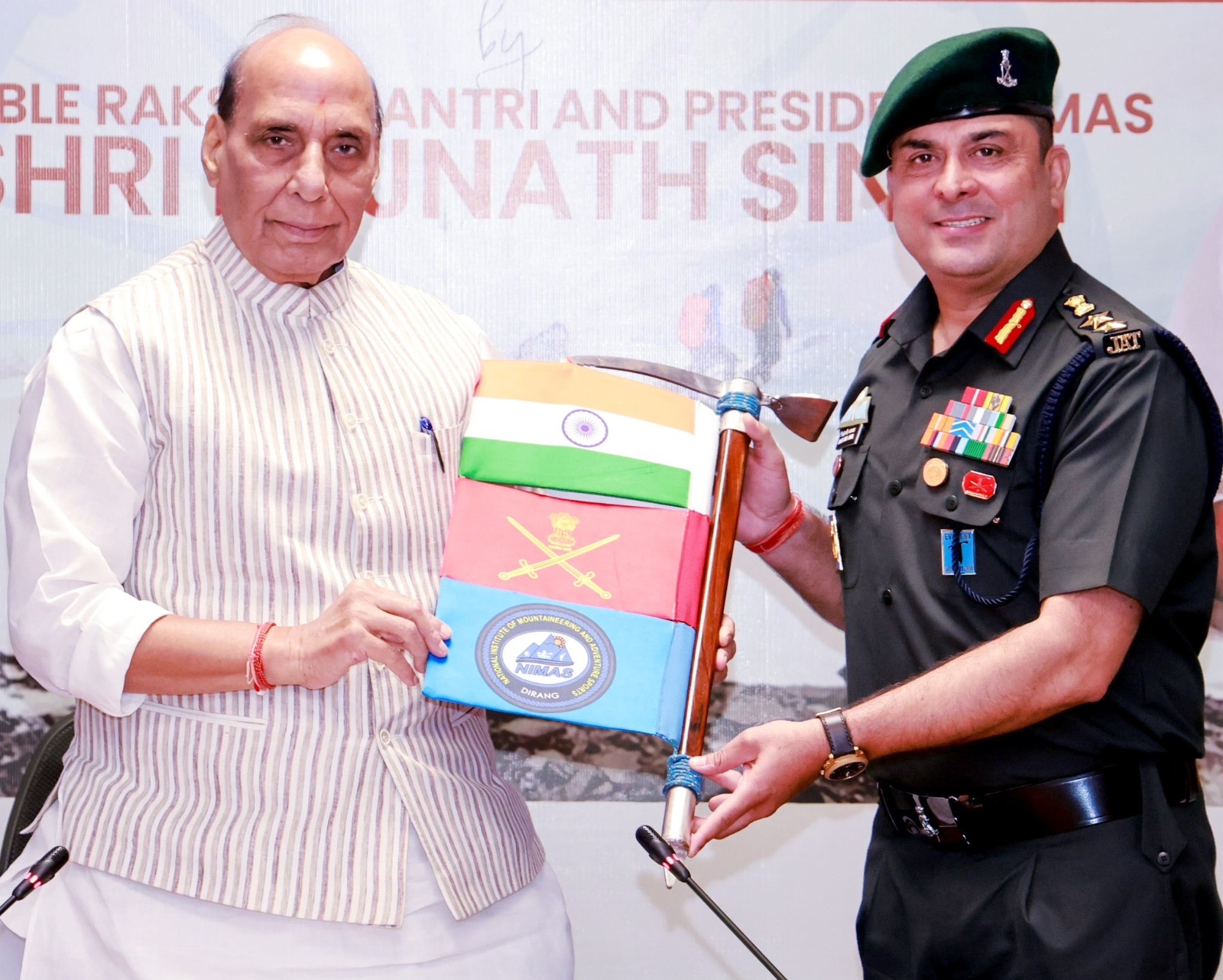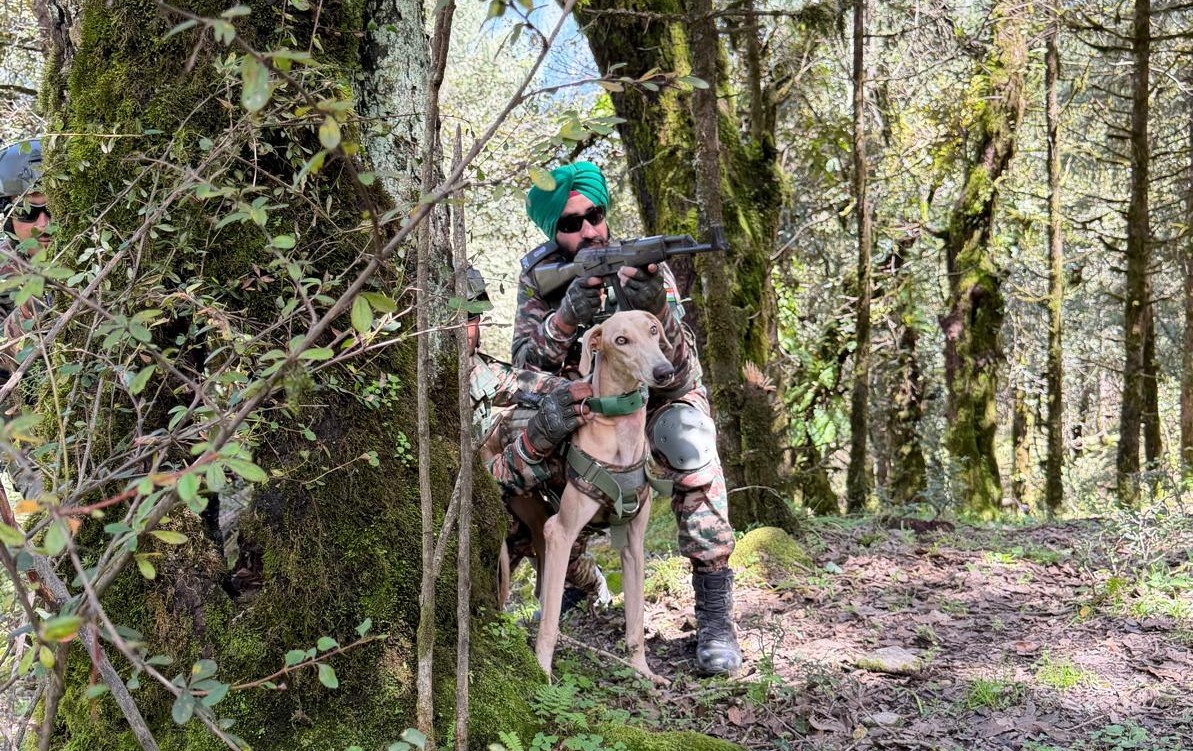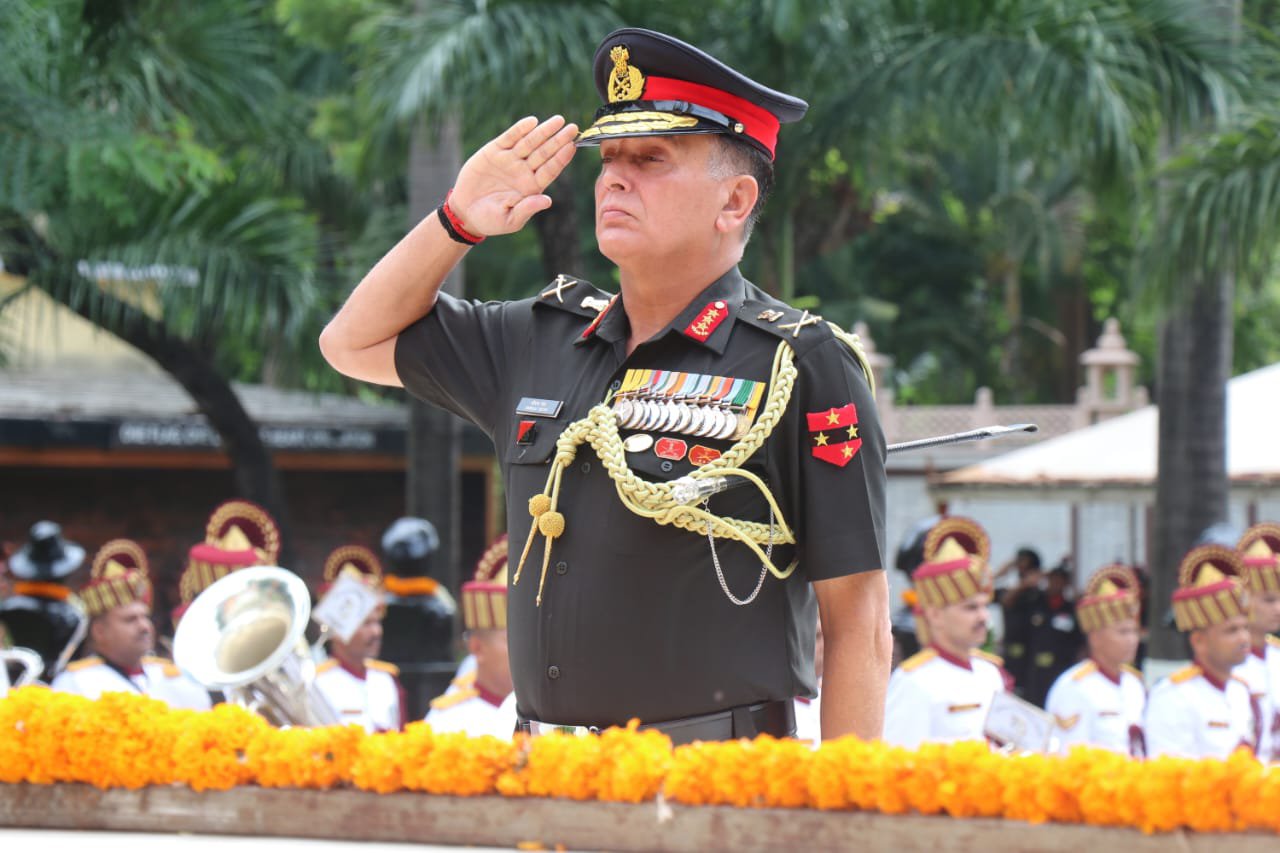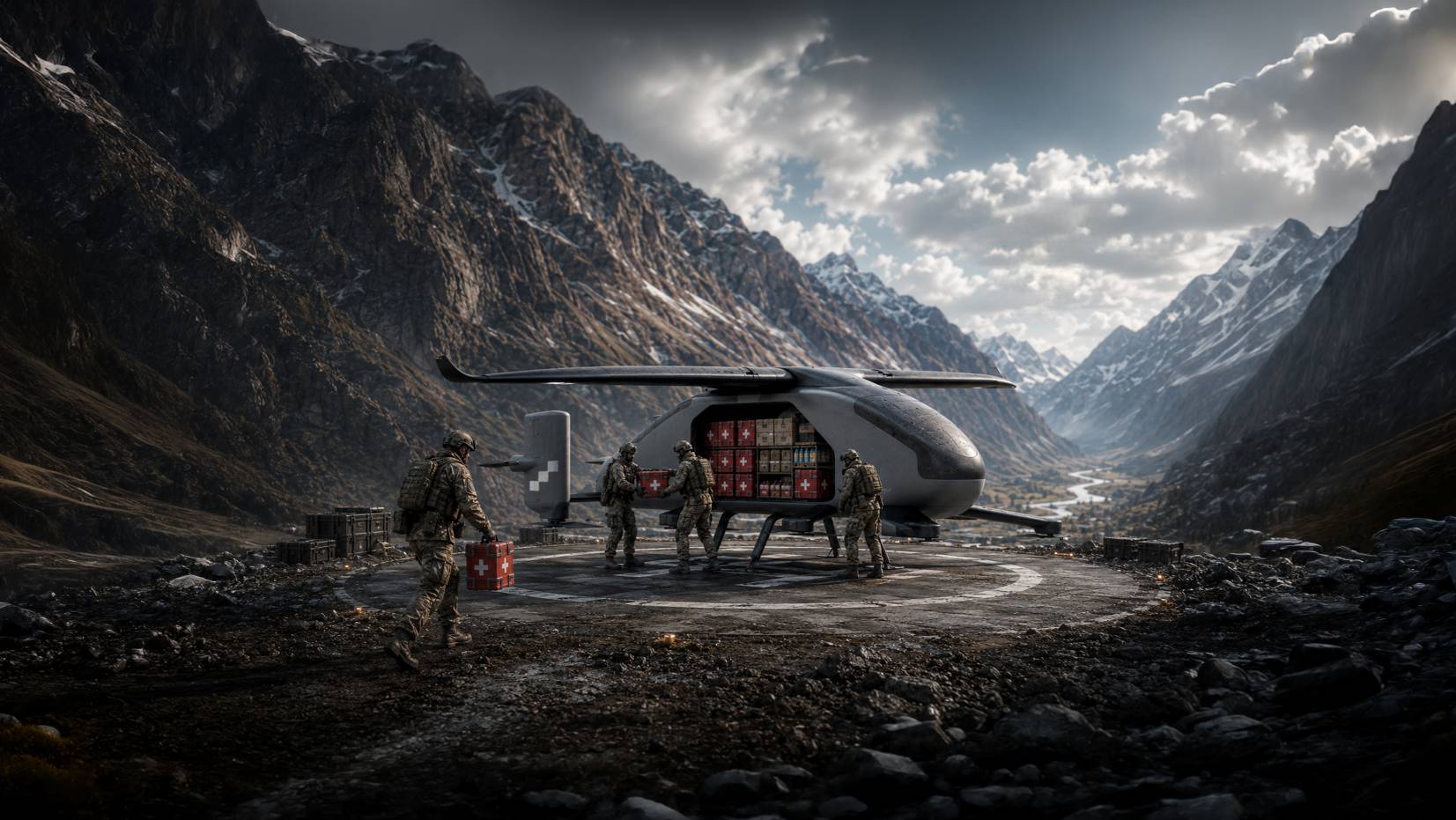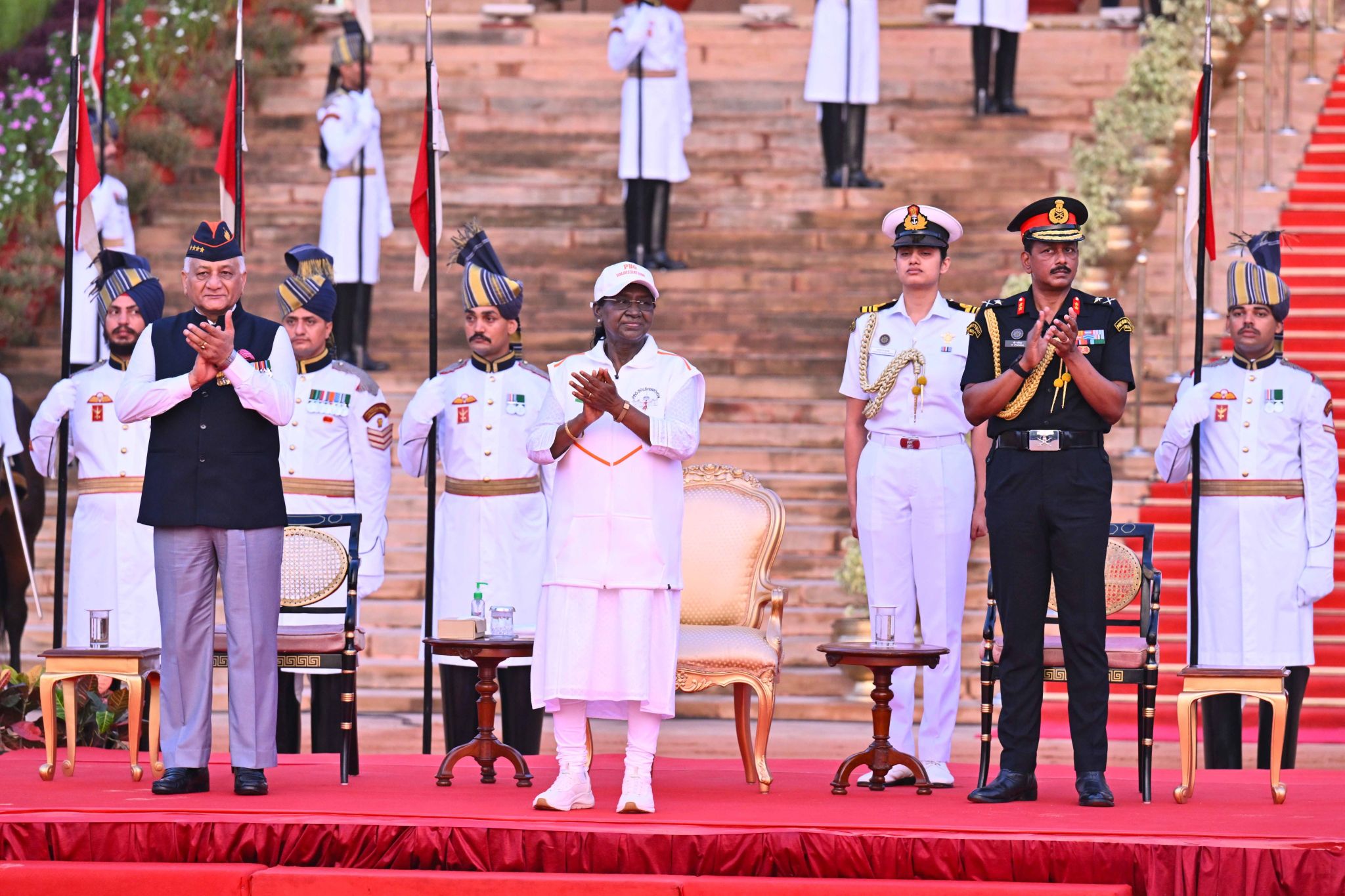
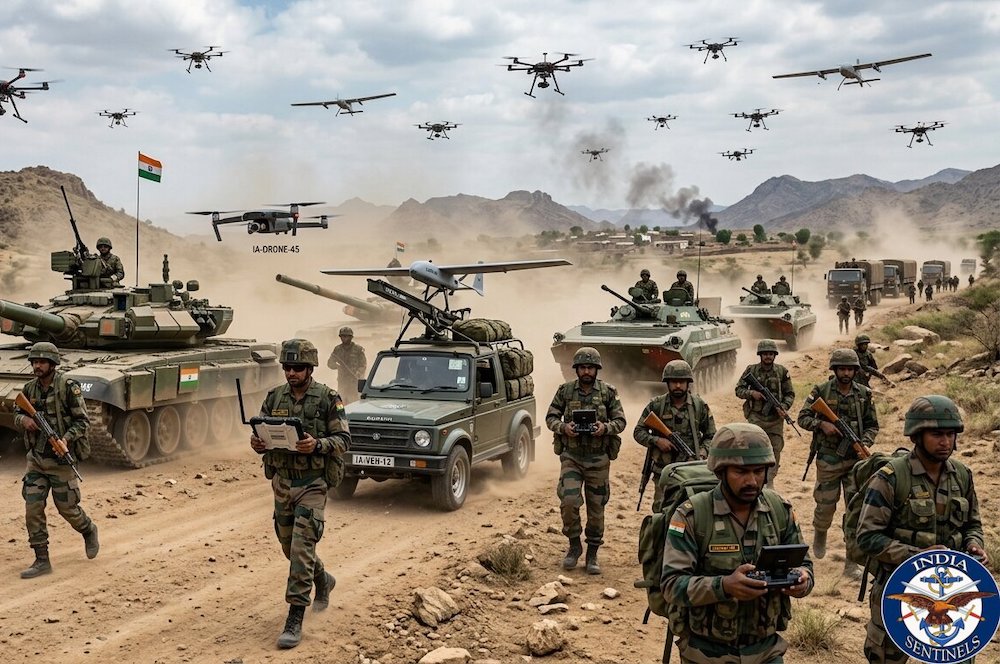
 Illustration for representation. (© India Sentinels 2026–27)
New Delhi: The Indian Army has drawn up one of the most ambitious military training programmes in its history: equipping 500,000 soldiers with drone warfare skills within the next five years. The scale of the undertaking reflects both the urgency with which New Delhi views the evolution of modern battle and the concrete operational lessons it absorbed during Operation Sindoor in May 2025 – India’s first large-scale non-contact war.
The plan was publicly articulated by Lieutenant General Devendra Sharma, general officer commanding in chief (GOC-in-C) of the Army Training Command (ARTRAC), who said the Army has drawn up a roadmap to train around five lakh personnel in drone operations over the next five years. He added that about 50,000 officers and soldiers were trained in operating remotely piloted aerial systems (RPAS) in the preceding year alone. Lt Gen Sharma was speaking at the graduation ceremony of the Combat Army Aviation Training School (CAATS), where the integration of unmanned systems into conventional aviation is already well under way.
The scale of intent is striking. With an active strength of roughly 1.2 million, the Army is seeking to make drone proficiency a universal soldier skill – not a specialist function. At the heart of this transformation is the “Eagle in the Arm” concept, a vision where every soldier is not only a rifleman but also a drone operator.
Operation Sindoor as catalyst
The urgency behind the programme is inseparable from what unfolded along India’s western frontier in May 2025. Operation Sindoor marked India’s first large-scale non-contact war. As India Sentinels had reported earlier, for four days along the western frontier, Pakistani forces deployed multiple waves of drones from Leh to Sir Creek, many of them relatively simple platforms designed to exhaust Indian air-defence systems by drawing fire away from more sophisticated assets.
According to Lt Gen Sharma, the push stems from lessons drawn from recent conflicts, where low-cost commercial drones have successfully neutralised highly expensive military systems, altering the nature of modern warfare and the economics of combat. That single observation – that a ₹50,000 drone can destroy a ₹50 crore system – has forced a fundamental rethink of battlefield calculus inside Army Headquarters.
The operation in May 2025 witnessed large-scale tri-service deployment of drones and missiles for precision strikes deep inside Pakistan, rather than large formations being massed on the borders and troops firing directly at each other. The implications for doctrine, training, and force structure were immediate and far-reaching.
Restructuring from ground up
The training drive is running in parallel with a significant reorganization of the Army’s order of battle. The initiative received a major push on Kargil Vijay Diwas last year when the chief of Army staff, General Upendra Dwivedi, announced the creation of dedicated drone units known as Ashni platoons. Officials confirm that these platoons have now been fully established and deployed across infantry battalions, marking the completion of the first phase of the Army’s ambitious drone induction programme.
Now, 380 infantry battalions have Ashni drone platoons, each having 25 men. These platoons operate all types of drones, including surveillance, combat, logistics, and kamikaze – self-exploding – variants.
The structural changes do not stop at the platoon level. A key focus of the post-Sindoor overhaul is the integration of unmanned aerial vehicles and counter-UAV systems as standard weapon systems at the battalion level across infantry, armoured, and artillery units. The new structure will create dedicated UAV operating teams within each unit, ensuring focused training and deployment. Infantry battalions will incorporate surveillance drones at platoon and company levels, requiring the reassignment of approximately 70 personnel per unit for drone operations.
Several new specialized formations are also being raised. Bhairav light commando battalions, each 250-strong, will blend elite raiding capacity with drone overwatch. Rudra brigades will fuse mechanized infantry, special forces, and drone assets into integrated formations.
Training infrastructure at scale
To support a programme of this magnitude, the Army has built out a network of dedicated training facilities. A specialized drone warfare training framework has been introduced across 19 training establishments. These include some of the Army’s most prestigious institutions – the Indian Military Academy in Dehradun, the Infantry School in Mhow, and the Officers Training Academy in Chennai.
The growing emphasis on autonomous systems is also transforming military aviation training. At CAATS, drone training is now mandatory for conventional pilots. The school is also focusing on manned-unmanned teaming (MUM-T), where manned helicopters operate in tandem with swarms of autonomous drones to execute complex operations.
The training curriculum is designed to be comprehensive rather than narrow. It extends beyond mere piloting to include drone creation, maintenance, and repair. The aim is to develop soldiers who understand the systems they operate, rather than simply being handed a controller on the battlefield.
Lt Gen Sharma has stated the target plainly: “We want to build on that experience by making sure that all Indian Army soldiers receive drone usage training by 2027. Drones will serve as the modern soldier’s third arm.”
Indigenous industry as force Multiplier
Underpinning the entire programme is a deliberate push for domestic production. Relying on foreign suppliers for systems that could be needed at short notice – or in conditions of active conflict – is a vulnerability New Delhi is determined to eliminate.
Countries globally – notably Russia, the United States, and China – have accelerated drone deployment in military operations. As India Sentinels had reported earlier on Thursday, the Drone Federation of India’s president, Smit Shah, told Reuters that the government is going to buy drones worth $2 billion from only domestic manufacturers.
Air Marshal Ashutosh Dixit, chief of Integrated Defence Staff, has said he was assured by the industry body PHDCCI that more than 10,000 drones would be available in the next five to six years in line with the technology roadmap prepared by the Integrated Defence Staff.
The Army envisions fielding 8,000 to 10,000 drones per corps as a target density, with first-person view (FPV) drones, loitering munitions, and swarm systems all forming part of the eventual mix. The scale of procurement being contemplated will only be achievable if Indian manufacturers step up – and the policy environment, through “production-linked incentive” schemes and import restrictions on foreign platforms, has been explicitly shaped to encourage them to do so.
What the move means
India’s 500,000-soldier drone training target represents a deliberate doctrinal shift: away from mass manpower as the primary determinant of battlefield strength, towards a model in which technology-enabled soldiers at the lowest tactical level can generate disproportionate effects. The Ashni Platoons in every infantry battalion, the mandatory drone training at officer academies, and the MUM-T integration at CAATS are not isolated initiatives – they are connected pieces of a coherent transformation that Operation Sindoor compressed into urgency.
Whether the five-year timeline holds will depend on the pace at which domestic industry can supply both the hardware and the instructors. But the direction is now clearly set, and the Army has already demonstrated, with 50,000 RPAS-trained personnel in a single year, that it has the institutional capacity to move at speed.
Follow us on social media for quick updates, new photos, videos, and more.
X: https://x.com/indiasentinels
Facebook: https://facebook.com/indiasentinels
Instagram: https://instagram.com/indiasentinels
YouTube: https://youtube.com/indiasentinels
© India Sentinels 2026-27