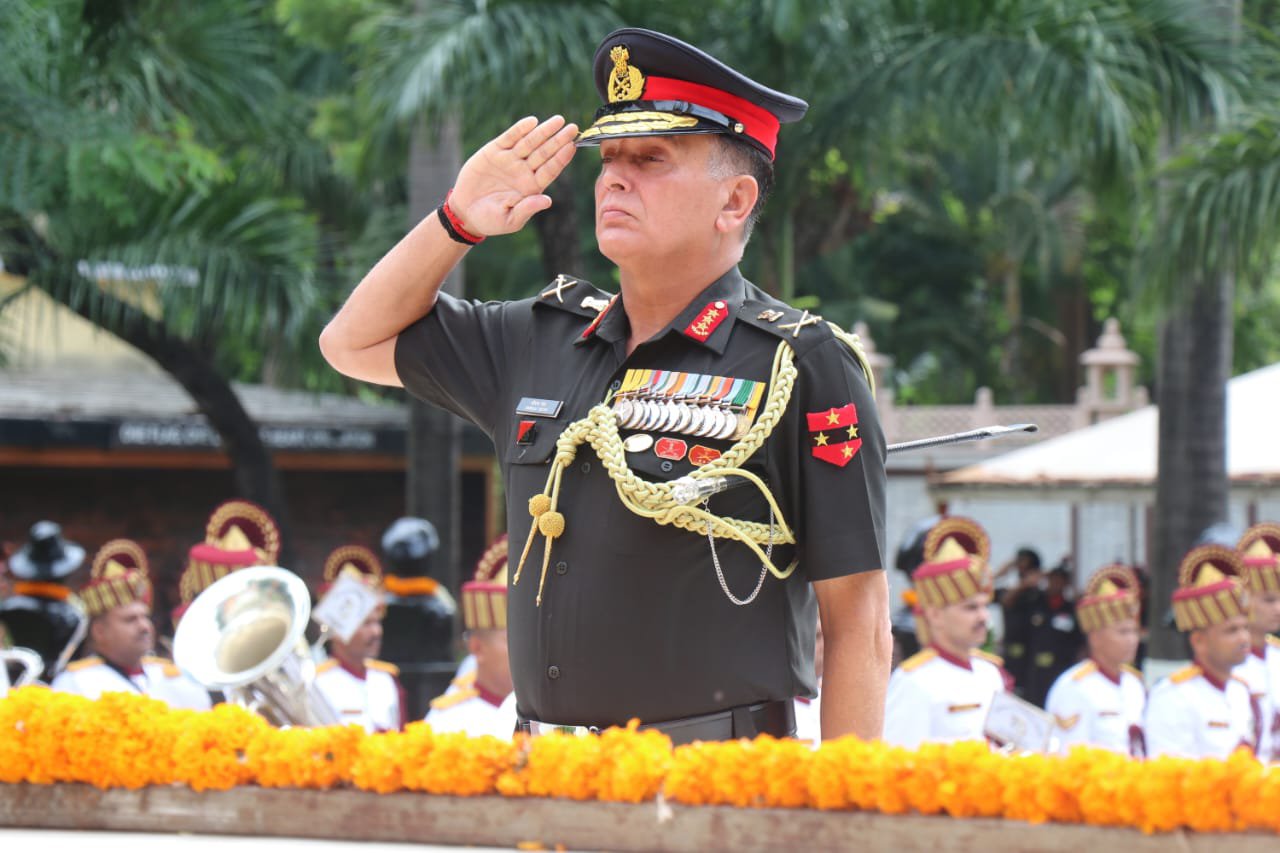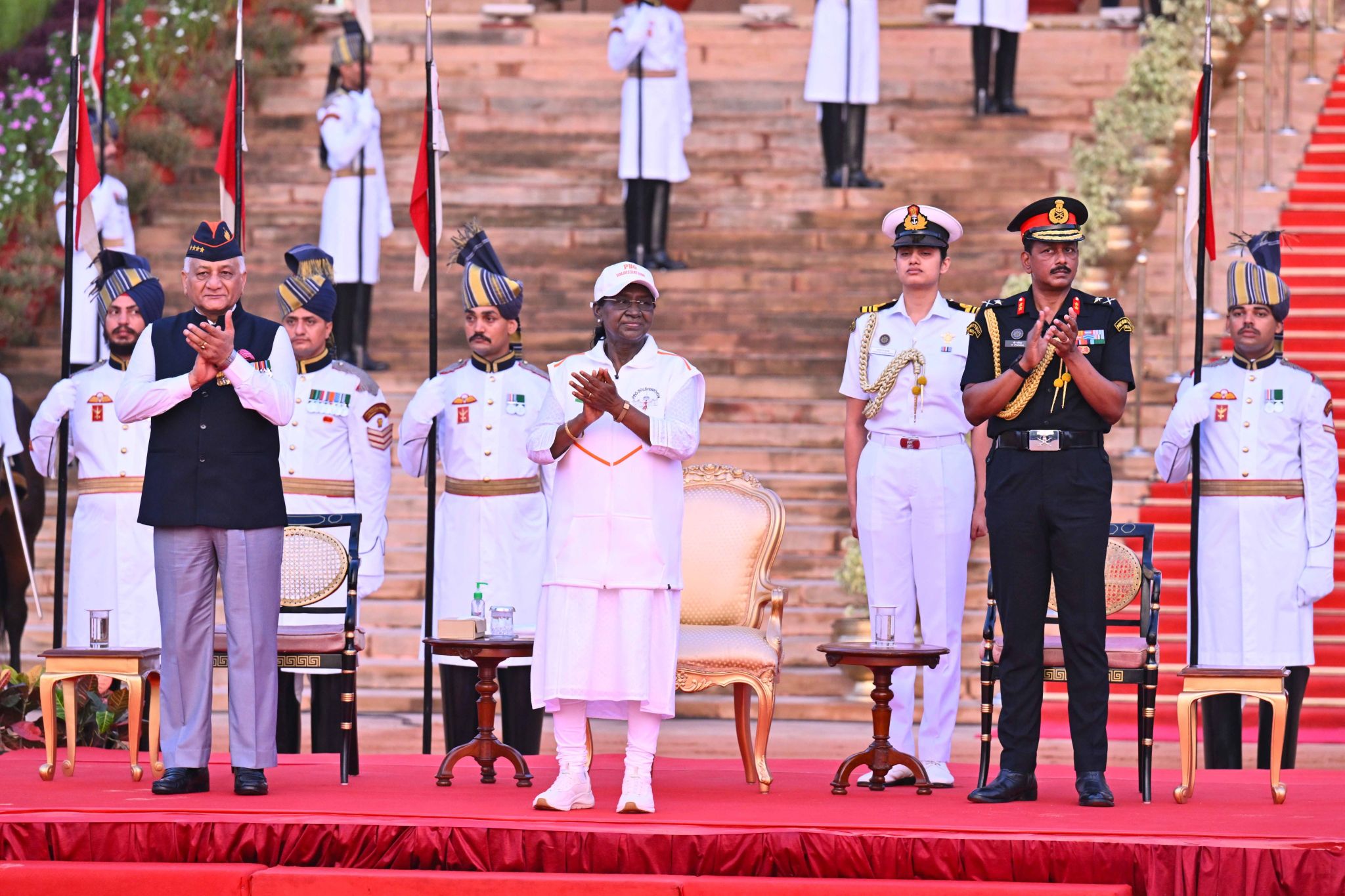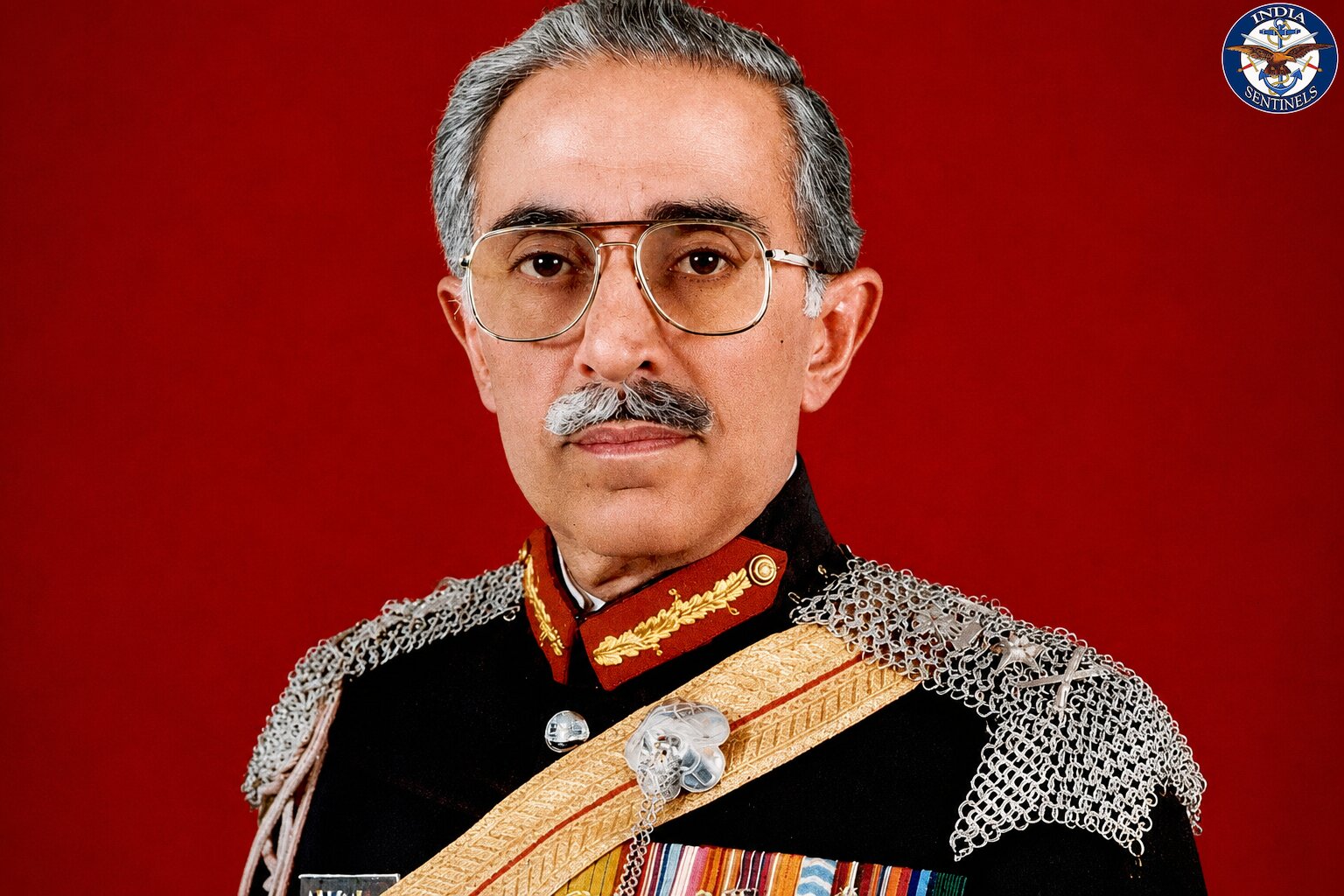
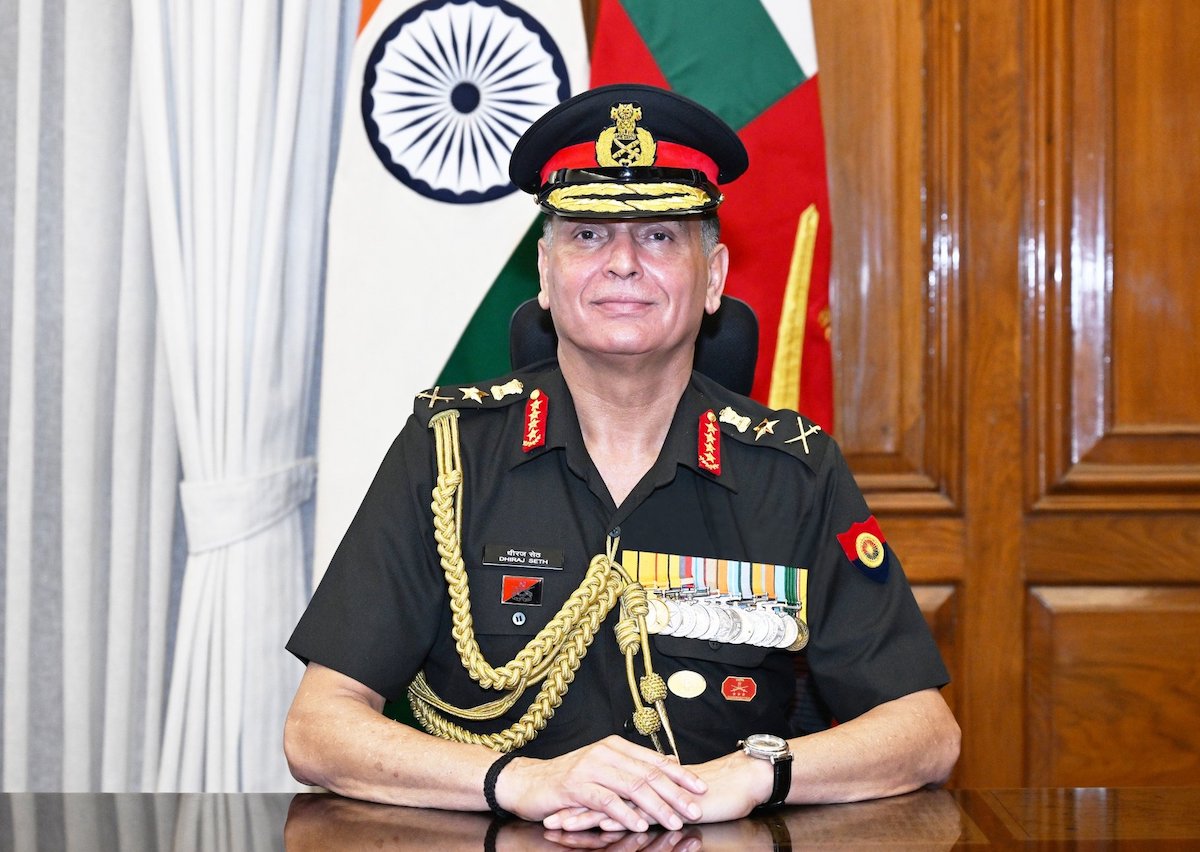
 Gen Dhiraj Seth. (Photo: Indian Army)
New Delhi: General Dhiraj Seth took over as the 31st chief of the Army staff on June 30, inheriting an institution in the middle of its most sweeping reorganization in decades. His in-tray blends structural upheaval, technological disruption and old-fashioned border tension – a combination that will test even an officer with his four decades of experience in uniform.
He takes over at a moment the Indian Army itself describes as a “Decade of Transformation”, nested within a wider defence-sector “Year of Reforms” declared by the government for 2025. This article identifies 10 major challenges he is likely to face, drawing on published policy briefs, official communications, and informed commentary, and adds an analytically grounded perspective on how these pressures may evolve through his tenure
1. Steering Theatre Reform Without Losing the Land Battle
India’s shift from single-service commands to Integrated Theatre Commands is arguably the most consequential military reform of this decade. A June 2025 decision gave the chief of defence staff (CDS) the authority to issue binding joint instructions across all three services, ending years of ambiguity over who commands what in a joint fight.
For Gen Seth, the task is beyond accepting this new hierarchy, that is to ensure theaterization sharpens, rather than blunts, land-warfare effectiveness. He will need to reshape command structures, logistics and planning so that theatre commands actually speed up decision-making for brigade, integrated battle group, battalion commanders on the ground, not just for planners in New Delhi. Preventing overlapping chains of command while preserving the Army’s institutional grasp of continental warfare will be an early and continuous test of his leadership.
2. Making Jointness Work Under a Stronger CDS
A more powerful CDS changes how the Army coordinates daily with the Navy and Air Force, pushing land planners to build air, naval, cyber and space considerations into their concepts from day one. This edges India closer to the joint-force models used by western militaries, but new reporting lines and shared accountability inevitably create friction as institutional habits shift.
Gen Seth must ensure his senior commanders accept the CDS-centric structure while still defending core Army interests where it matters, avoiding turf battles that could slow decision-making during a crisis along the line of actual control (LAC) with China or the line of control (LoC) with Pakistan. Balancing institutional loyalty to the new joint order against the non-negotiable demand for land-force readiness will recur throughout his tenure.
3. Converting ‘Decade of Transformation’ Into Results
The Army has branded 2023 to 2032 its “Decade of Transformation”, building on a “Year of Transformation” in 2023 and a “Year of Technology Absorption” in 2024, while the Ministry of Defence has separately declared 2025 the sector-wide “Year of Reforms” built on five pillars – jointness, force restructuring, modernization, systems and processes, and human resource management.
Gen Seth inherits this agenda precisely when the sloganeering must give way to hard delivery: rebalanced command hierarchies, digitized workflows, integrated logistics hubs and genuinely multi-domain formations. His real challenge will be sustaining momentum once the headlines fade, without triggering reform fatigue among troops already under high operational tempo.
4. Scaling Technology Beyond Pilot Projects
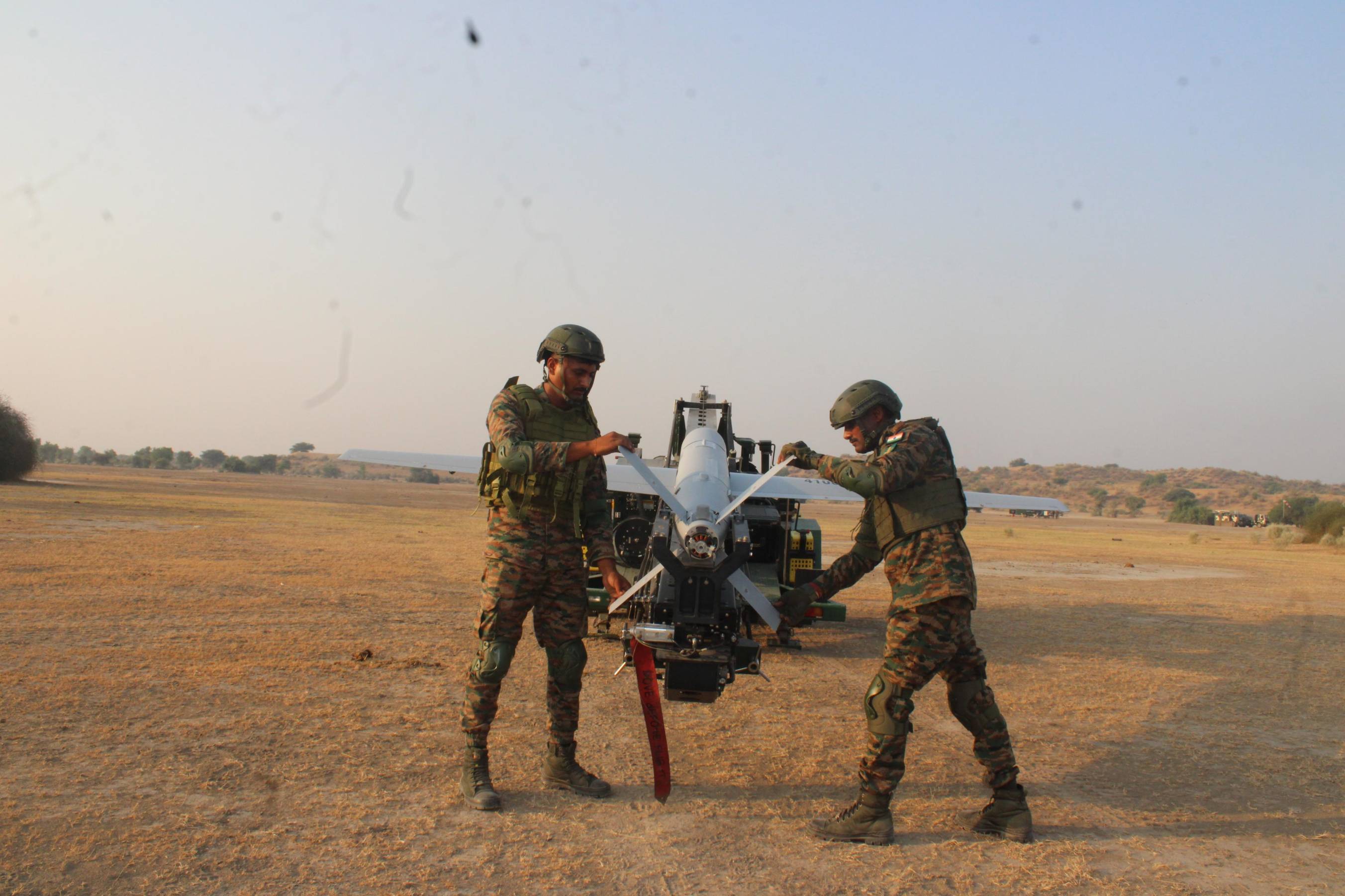
Cyber, space, artificial intelligence, robotics and hypersonic systems sit at the heart of the current reform narrative, with indigenous drones, AI-enabled imagery analysis and networked air defence increasingly linking Army systems with Air Force command-and-control architecture. The risk is a patchwork of isolated pilot units disconnected from mainline formations rather than genuine force-wide integration.
Gen Seth will need to push doctrinal change, retrain formations and sequence procurement so infantry battalions, armoured regiments and artillery brigades employ drones and networked targeting as routine practice, not showcase capability. Ensuring cyber and space assets are woven into Army planning – rather than parked with external agencies – will determine whether this reform actually reaches the field.
5. Balancing Self-Reliance With Battlefield Readiness
India’s indigenization drive, backed by positive indigenization lists and the Innovations for Defence Excellence programme, has pushed defence exports from roughly ₹2,000 crore five years ago to about ₹21,000 crore by 2023-24. Army programmes covering artillery, tanks, rifles and other land systems are increasingly expected to lean on domestic manufacturers.
The tension between Atmanirbharta, or self-reliance, and immediate operational effectiveness will be acute on Gen Seth’s watch. He must ensure legacy-system replacement timelines do not leave units under-equipped mid-transition, that indigenous platforms clear rigorous testing before large-scale induction, and that expectations around spares and maintainability are realistic rather than aspirational.
6. Confronting a Joint China-Pakistan Front
Senior Army leadership has repeatedly described India’s security environment as a potential joint China-Pakistan front along with internal security contingencies simultaneously. Since the Galwan clash of 2020, India has poured resources into border infrastructure, high-altitude airfields and all-weather roads along the northern frontier, even as western-front and hinterland threats persist.
Gen Seth must allocate finite resources across this diversified threat map, prioritizing readiness along the LAC without weakening deterrence on the LoC, all while ensuring counterinsurgency commitments do not hollow out conventional warfighting capacity. Doing this under fiscal constraints, with growing expectations of short-notice, high-intensity conflict readiness, will be one of his most unforgiving tests.
7. Embedding Agnipath Without Losing Institutional Memory
The Agnipath recruitment scheme has already begun reshaping the Army’s personnel profile, lowering average age and shortening tenures for a large share of the rank and file. Proponents argue a younger, technology-comfortable force suits drone-heavy and cyber-augmented warfare, while critics warn of eroding institutional experience and unit cohesion.
Gen Seth must fold Agnipath into a coherent long-term human resource strategy, managing training pipelines, career progression for permanent cadres and the integration of Agniveers into combined arms units without denting morale or professionalism. Public confidence in the recruitment model matters too, since sustained political support for transformation depends partly on how the scheme is perceived outside the barracks.
8. Digitizing Processes Beyond Headquarters Dashboards
Parallel to structural reform, the Army is flattening hierarchies and digitizing internal workflows to cut bureaucratic delay and sharpen situational awareness. This pillar draws less public attention than big-ticket hardware deals, but its effect on day-to-day effectiveness could prove just as significant.
Gen Seth’s challenge is ensuring digitization reaches logistics chains, maintenance regimes and unit-level reporting rather than stopping at headquarters dashboards. That requires sustained change management – training, incentives and the discipline to prune legacy procedures that slow decisions when speed matters most.
9. Using the Army as a Diplomatic Instrument
Current reform narratives place growing emphasis on defence diplomacy – bilateral exercises, expos and attaché networks that showcase Indian capability abroad. As the force modernizes and indigenizes, its platforms and operational experience increasingly double as instruments of India’s wider geopolitical strategy.
Gen Seth will be expected to expand joint exercises and host foreign delegations while projecting the Army as a credible multi-domain partner, all without overstretching formations that remain operationally committed at home. Getting this balance wrong risks either diplomatic underperformance or genuine readiness gaps along active borders.
10. Reconciling Vision 2047 With Tomorrow’s Crises
The Army’s long-term ambition, articulated at senior leadership forums, is to become a “modern, agile, adaptive, technology-enabled, and self-reliant future-ready force” by 2047, aligned with the national “Viksit Bharat@2047” goal. That horizon sits uneasily alongside immediate risks – border standoffs, terrorism and fast-moving regional flashpoints that cannot wait for institutional transformation to mature.
Gen Seth must continuously weigh long-range investment choices in equipment, training and doctrine against the Army’s obligation to respond decisively to whatever crisis erupts next year. History will likely judge his tenure on both counts: whether the force met acute contingencies as they arose, and whether it moved demonstrably closer to its 2047 vision by the time he hands over command.
All Fronts, All at Once
Gen Dhiraj Seth steps into the top job at a moment when structural reform, technological disruption and strategic pressure are converging all at once. These changes unfold against a backdrop of persistent external threats and a demanding combined western- and northern-front security environment.
Success will hinge on whether he can translate reform slogans into concrete gains for soldiers on the ground. If he can maintain clarity of command in a joint setting, integrate new technologies at scale, safeguard readiness while driving indigenization, and keep the Army’s transformation aligned with national strategic aims, his tenure will mark a decisive step toward the future-ready force envisioned for 2047.
Follow us on social media for quick updates, new photos, videos, and more.
X: https://x.com/indiasentinels
Facebook: https://facebook.com/indiasentinels
Instagram: https://instagram.com/indiasentinels
YouTube: https://youtube.com/indiasentinels
© India Sentinels 2026-27