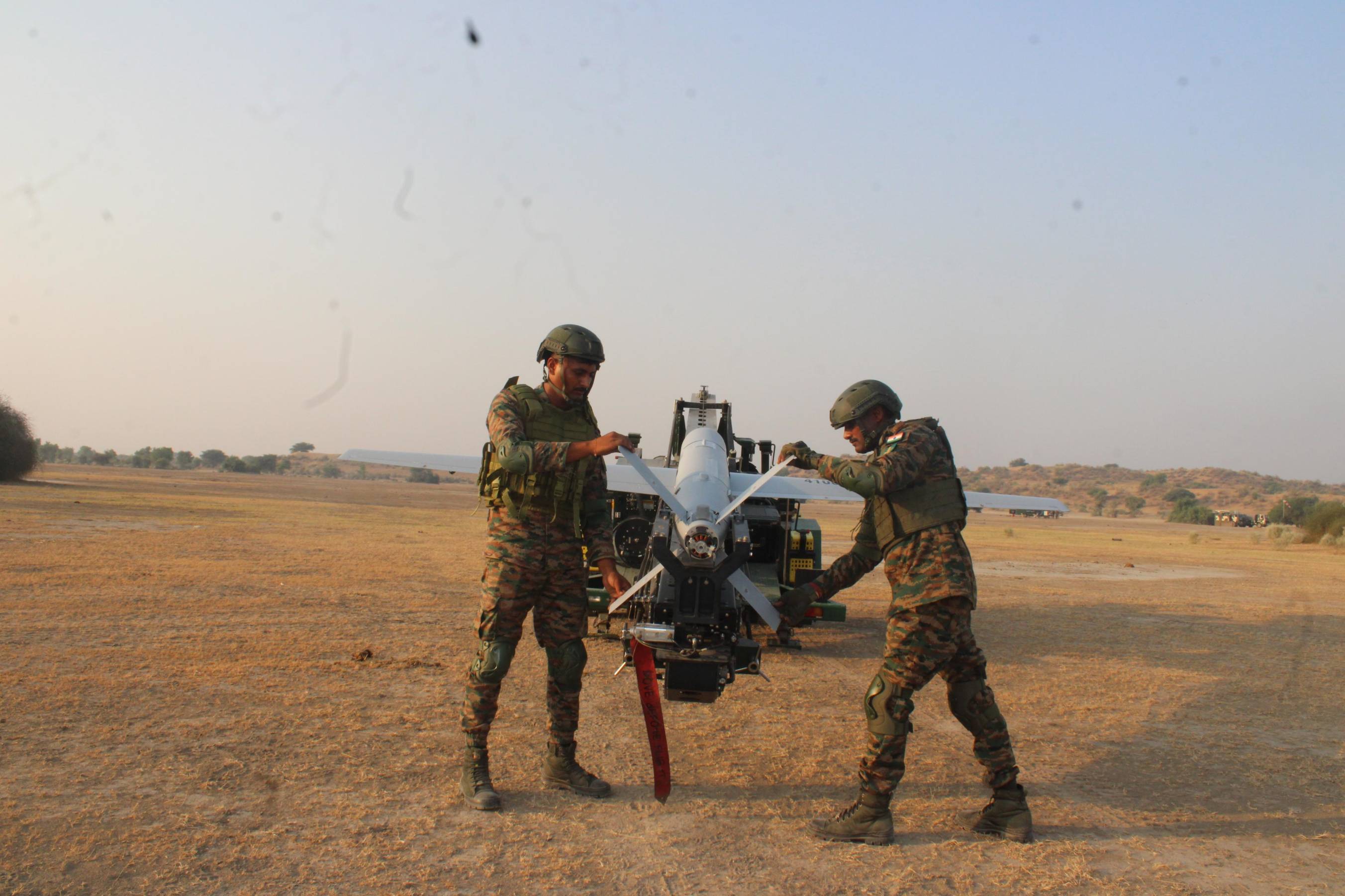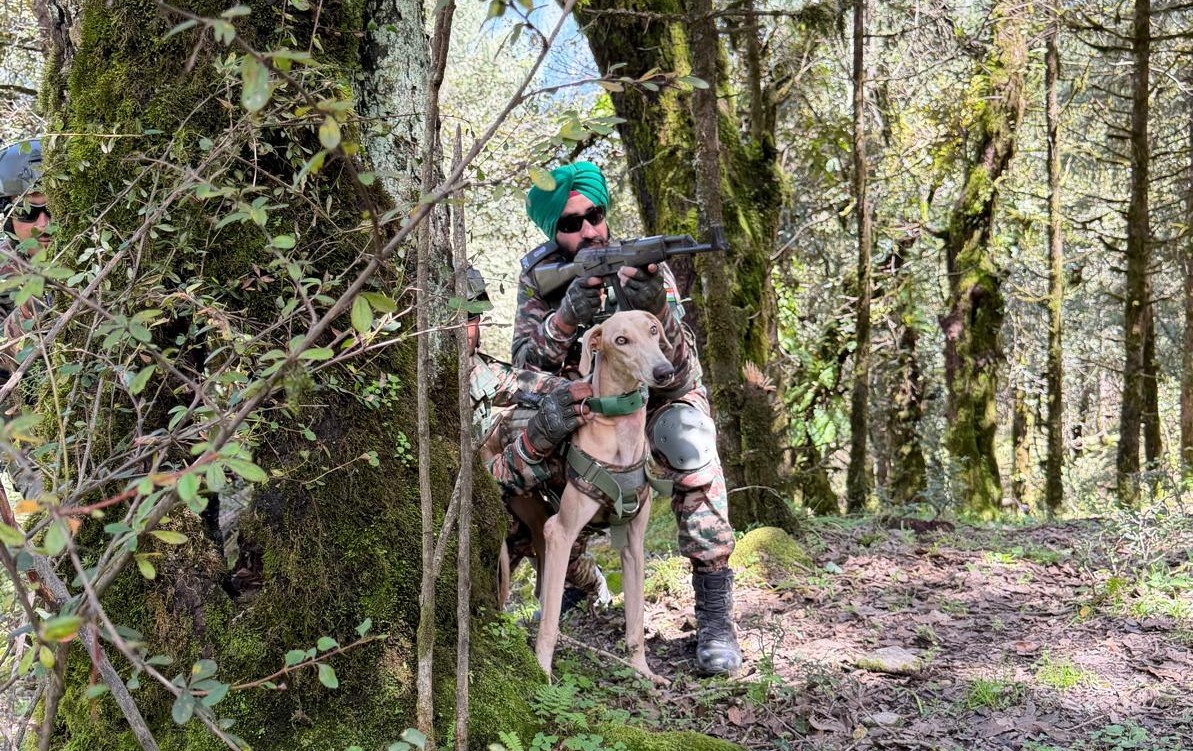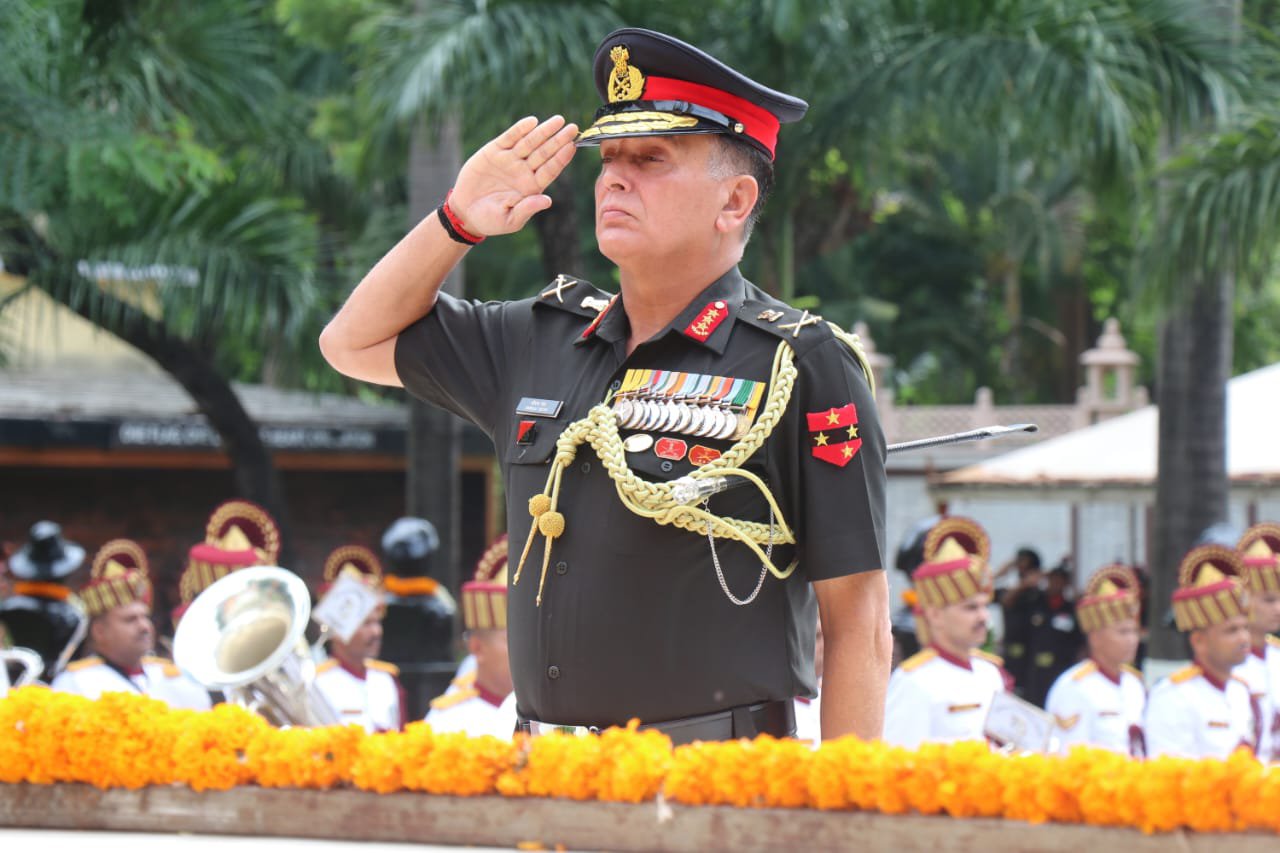
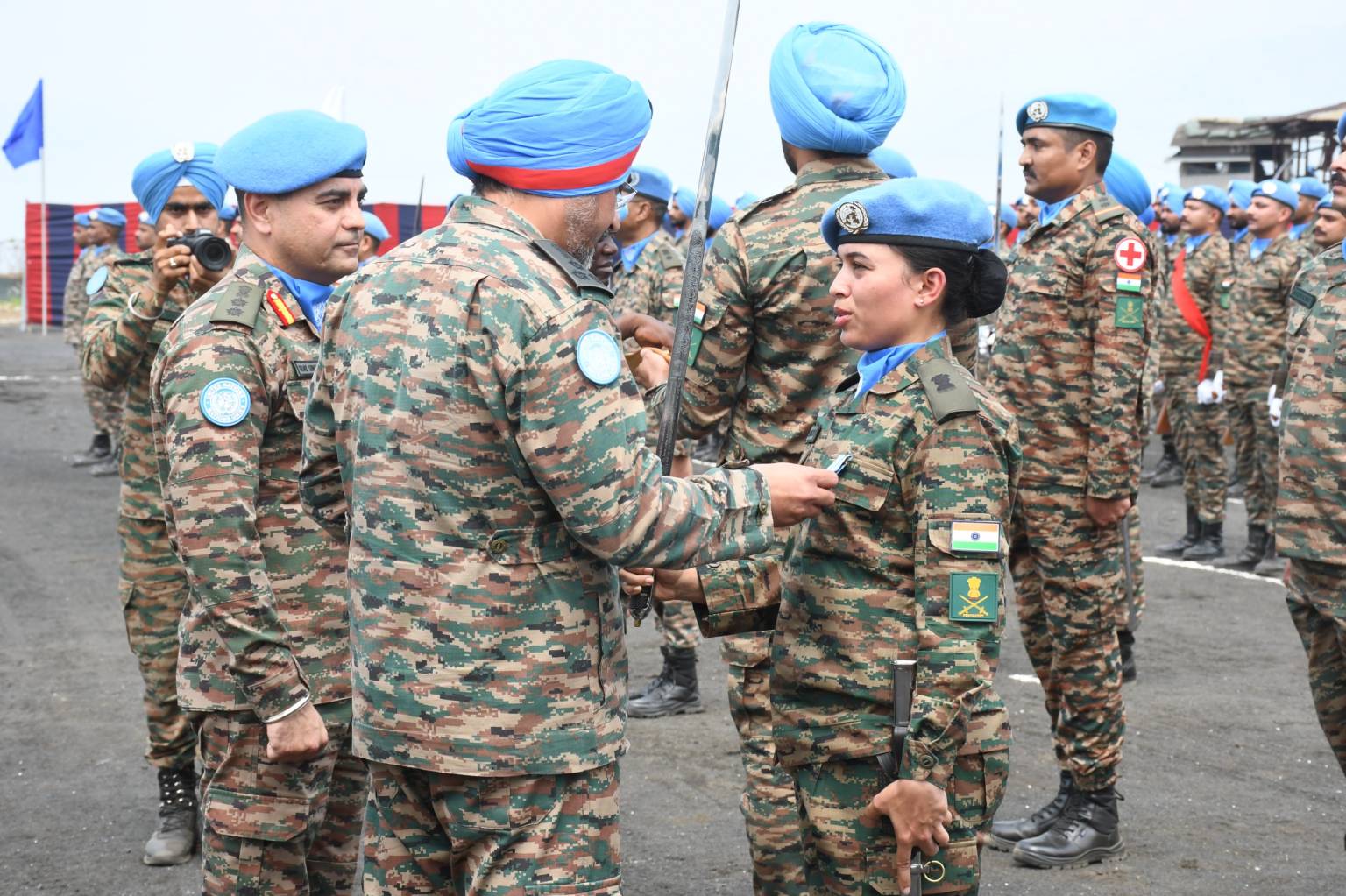
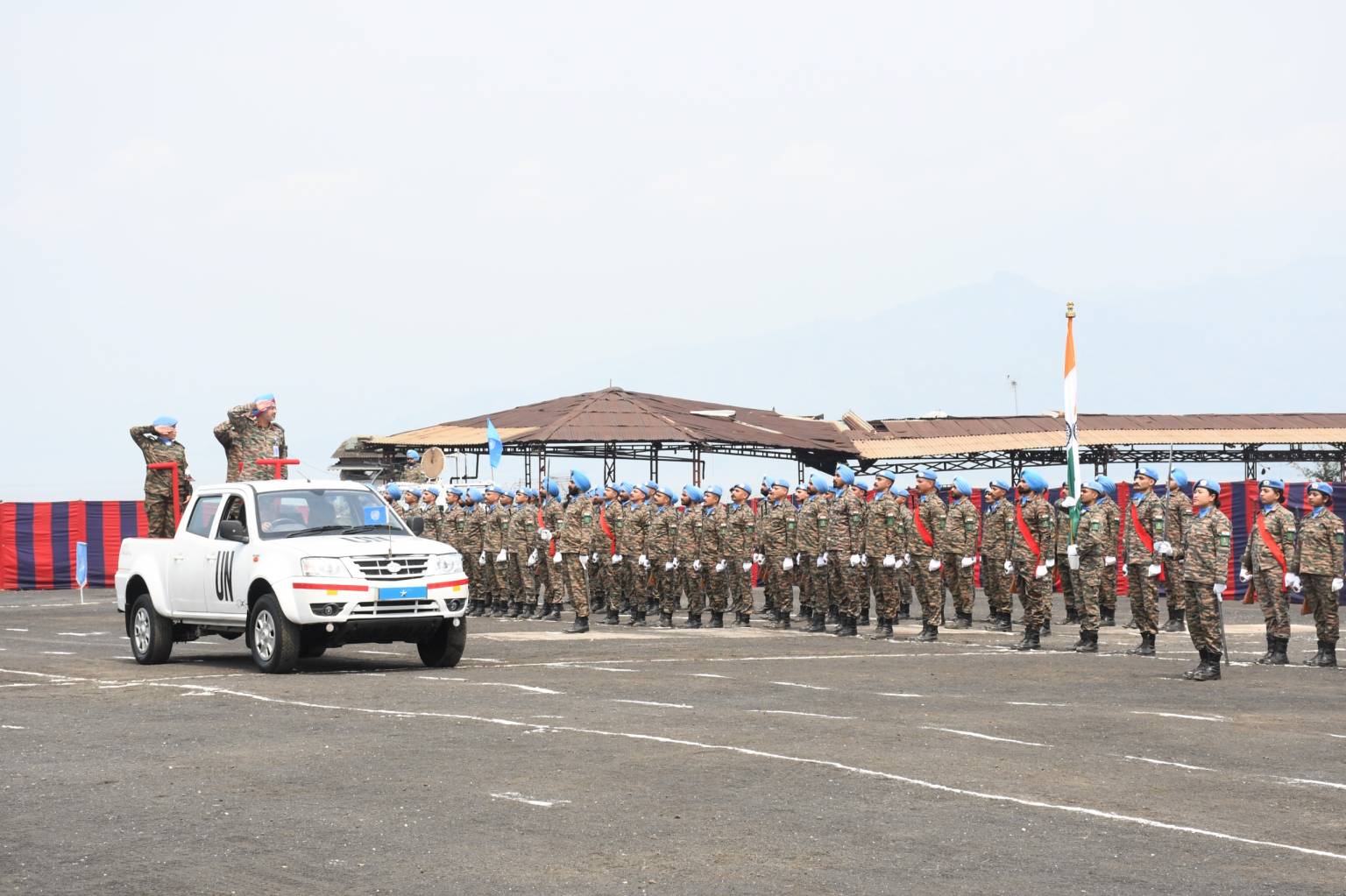
 Indian peacekeepers. (Phot: ADGPI)
New Delhi: Over 650 Indian Army personnel serving under the United Nations flag in the Democratic Republic of the Congo have been conferred the United Nations Medal, a recognition that arrives even as the mission they serve faces mounting questions over its long-term future.
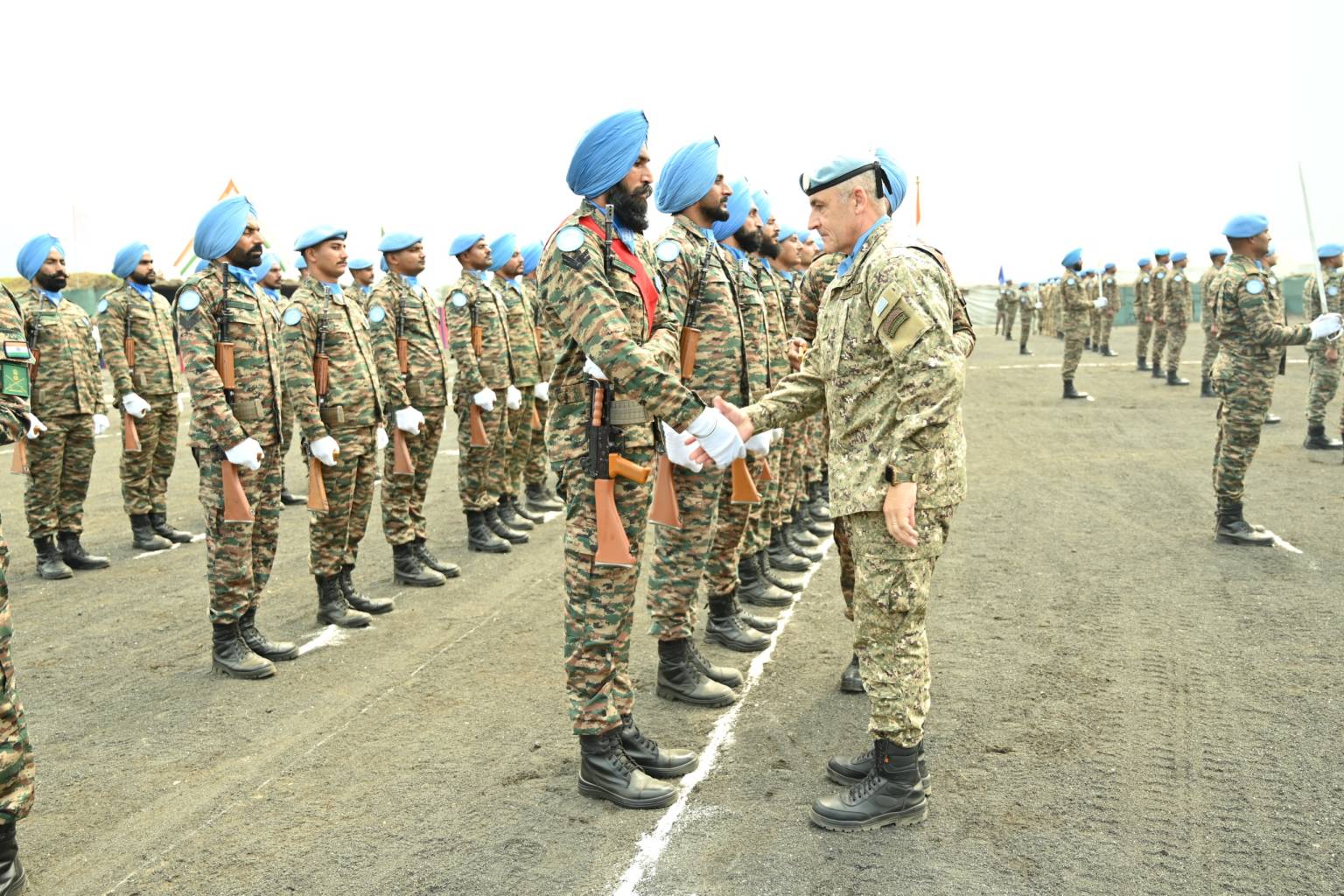
At a formal parade held at their permanent operating base in Sake, in the strife-torn eastern province of North Kivu, 651 Indian troops attached to the United Nations Organization Stabilization Mission in the Democratic Republic of the Congo (Monusco) were presented with the medal on July 3, 2026.
The investiture was organized by the Indian contingent’s own command and witnessed by senior Monusco officials, representatives of the mission's force headquarters and a gathering of military commanders and invited guests, underlining the ceremonial weight typically attached to such occasions within UN missions.
A mission under strain
The recognition comes against a backdrop of considerable turbulence in the region the Indian troops are tasked with stabilizing. North Kivu remains one of the most volatile theatres in the UN’s global peacekeeping portfolio, with the M23 rebel movement – widely reported by western governments and UN monitors to be backed by Rwandan forces – having seized swathes of territory over the past two years, including a brief capture of the provincial capital, Goma, in January 2025.
The fighting has displaced millions of civilians and, according to UN estimates, has periodically drawn in neighbouring Ituri and South Kivu provinces as well, with the group’s forces reaching as far as Uvira on the shores of Lake Tanganyika in December 2025 before withdrawing under diplomatic pressure.
Monusco, established in 2010 as the successor to an earlier UN mission dating back to 1999, is mandated principally to protect civilians, facilitate humanitarian access and support the Congolese state’s efforts to stabilize conflict-affected regions. It ranks among the UN’s largest and longest-running peace operations, and its authorized strength currently stands at 11,500 military personnel besides several hundred police and observers, though its footprint has been the subject of intense diplomatic scrutiny.
India’s enduring footprint in blue helmets
The Sake ceremony is the latest marker in what has become one of the more consistent threads of India's engagement with multilateral security architecture.
New Delhi remains the second-largest contributor of uniformed personnel to UN peacekeeping operations worldwide, presently fielding upwards of 4,000 troops and police across missions that, besides the Democratic Republic of the Congo, span Lebanon, South Sudan, Cyprus, Abyei and Western Sahara.
Since India’s first deployment under the UN flag in 1948, more than 270,000 Indian personnel have served across 49 missions – a record unmatched by any other troop-contributing nation. That commitment has not come without cost: nearly 180 Indian peacekeepers have lost their lives in the line of duty, again the highest toll recorded among contributing countries, a statistic the Army has periodically invoked to underscore the human price of its overseas deployments.
Much of this institutional capacity is built around the Army's Centre for United Nations Peacekeeping in Delhi, which trains more than 12,000 troops annually in specialized skills ranging from civilian protection to gender-sensitive peacekeeping practices.