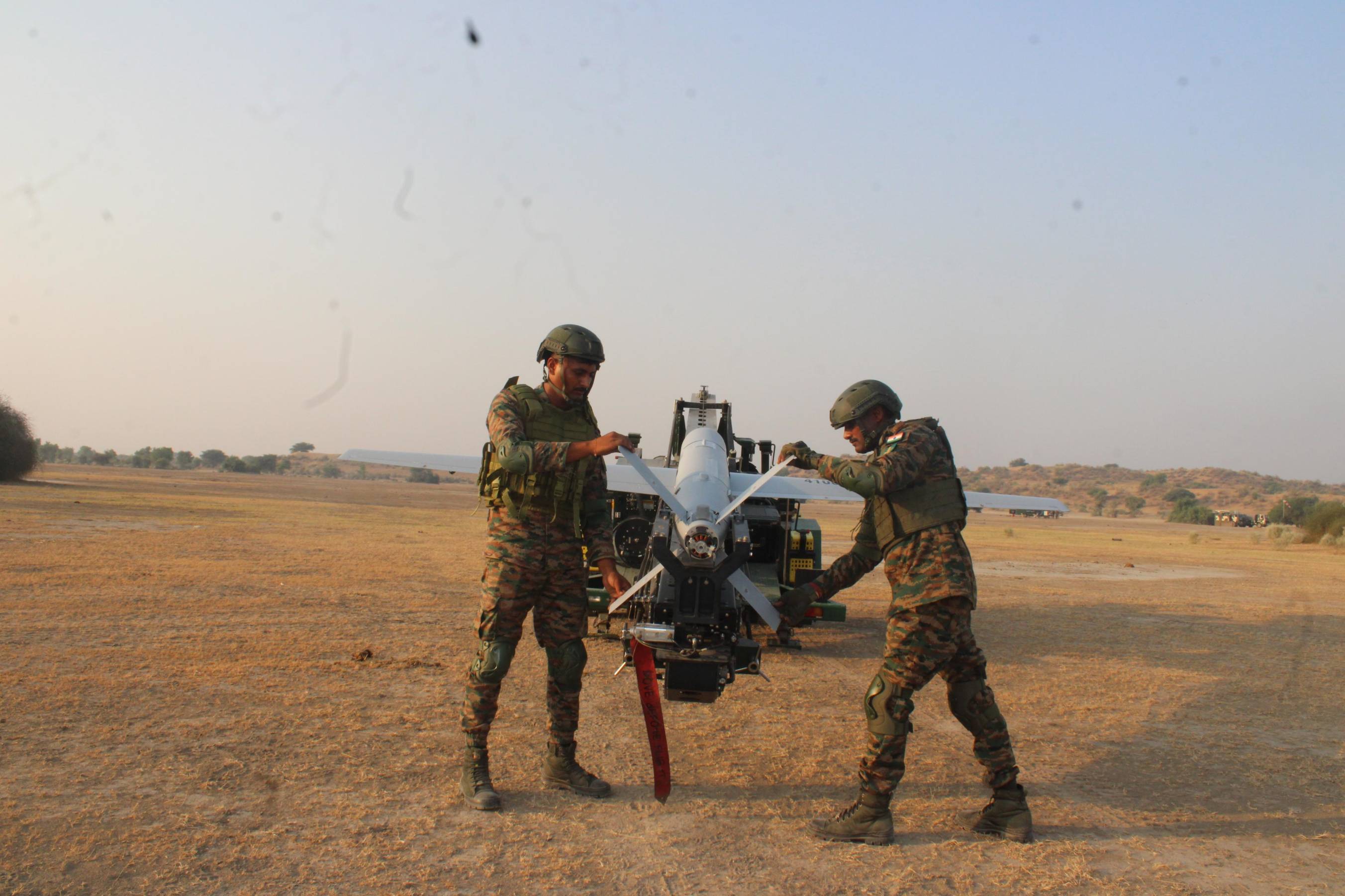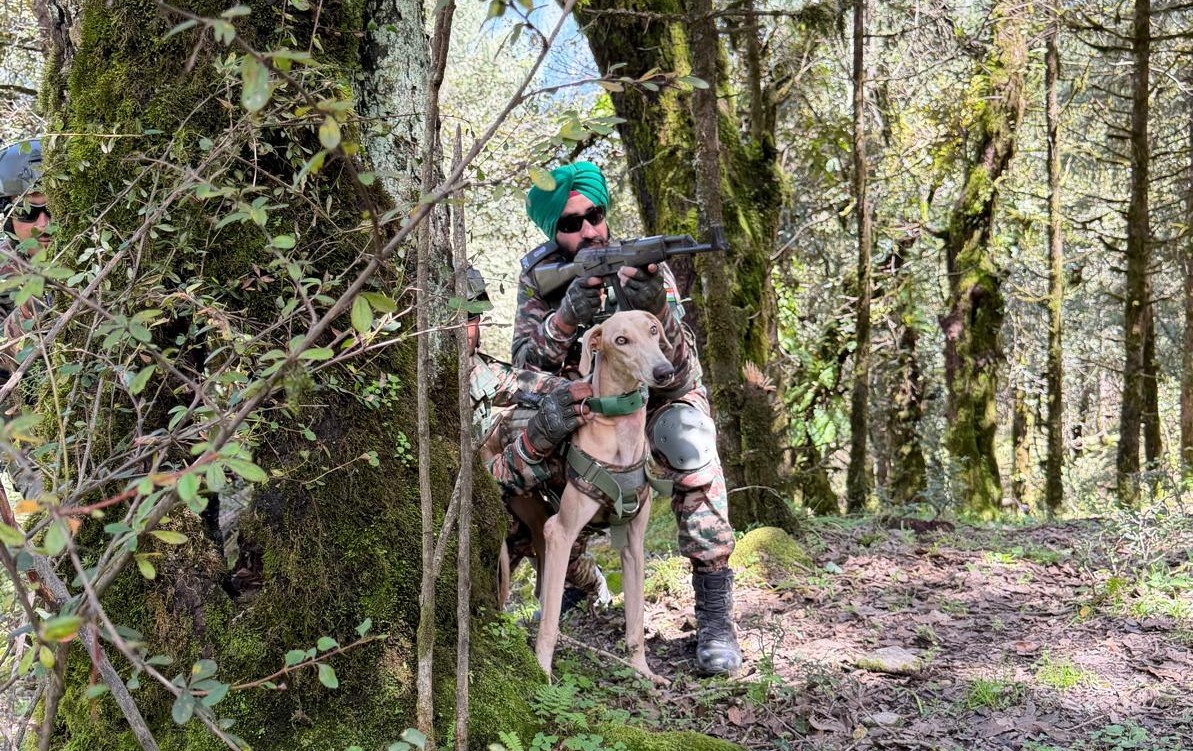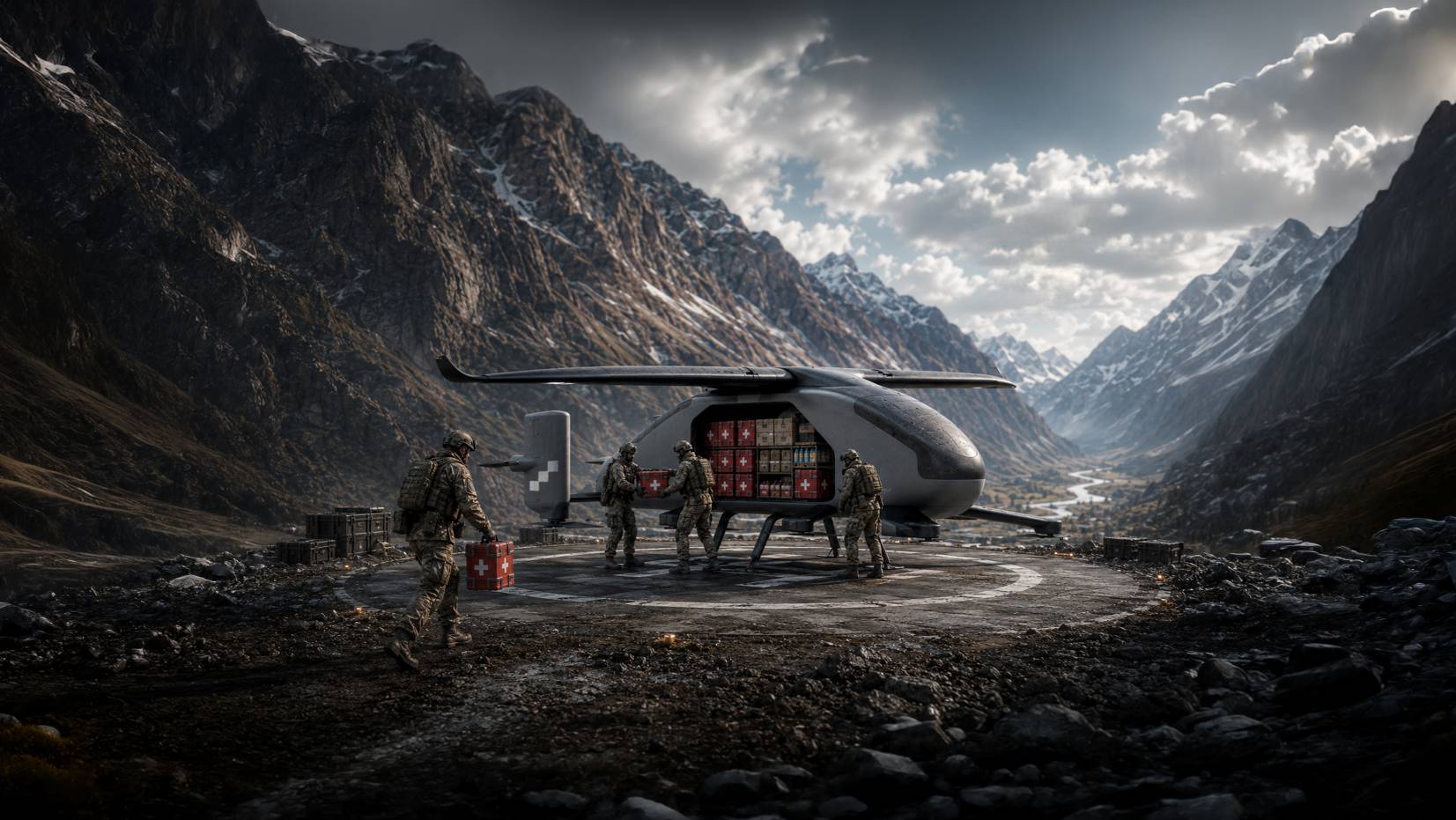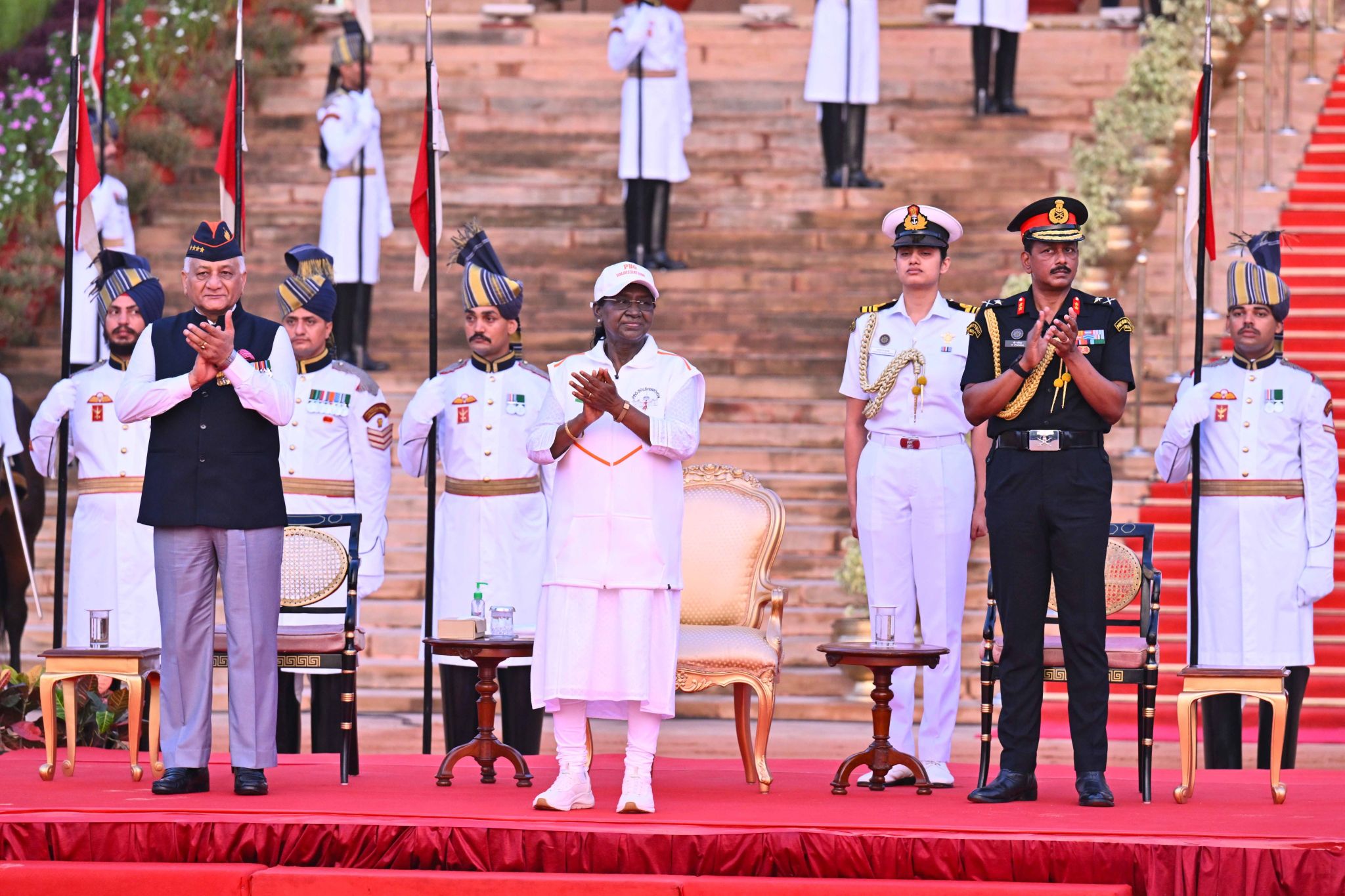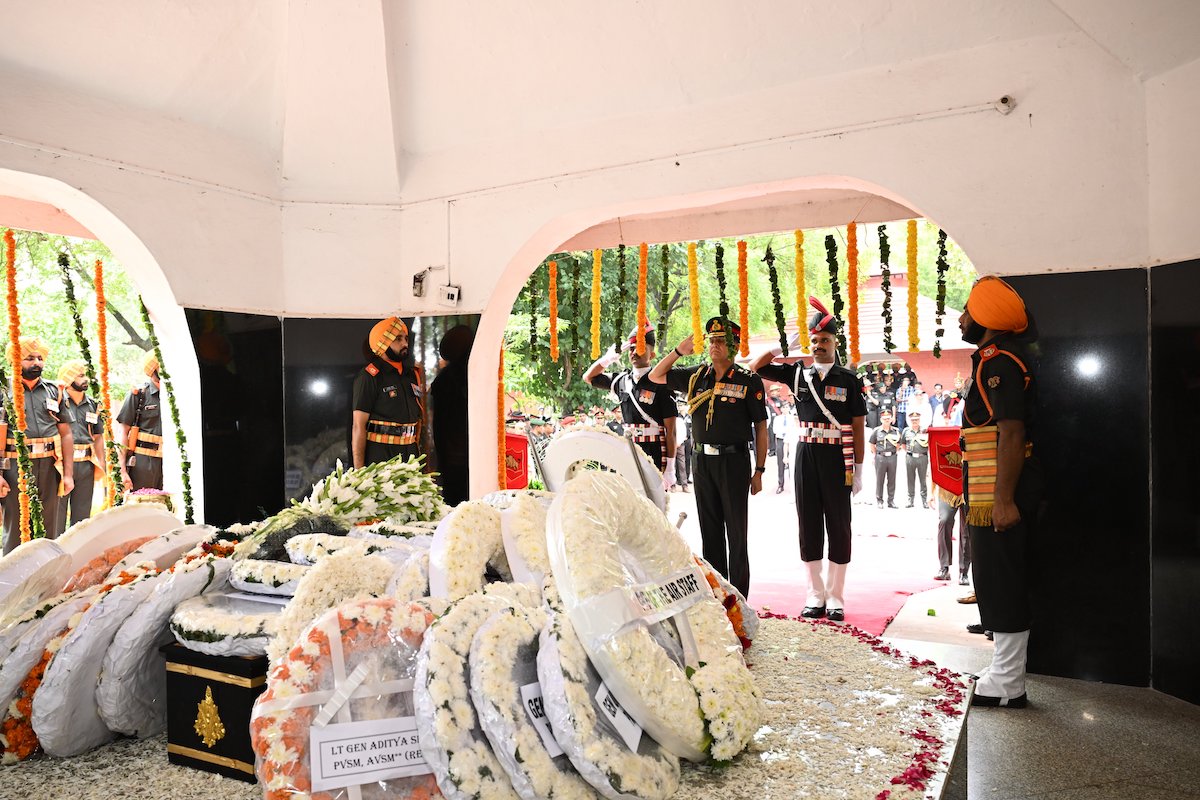
 Illustration for representation. (© India Sentinels 2026–27)
New Delhi: The Indian Army formally activated its first set of integrated battle groups (IBGs), with six major generals taking command of five newly raised IBGs and a dedicated fire support group (FSG) on Wednesday. The move marks the most consequential structural change to the Army’s combat architecture in decades, and the first real-world trial of a reorganization plan that has been discussed inside the force since the mid-2010s.
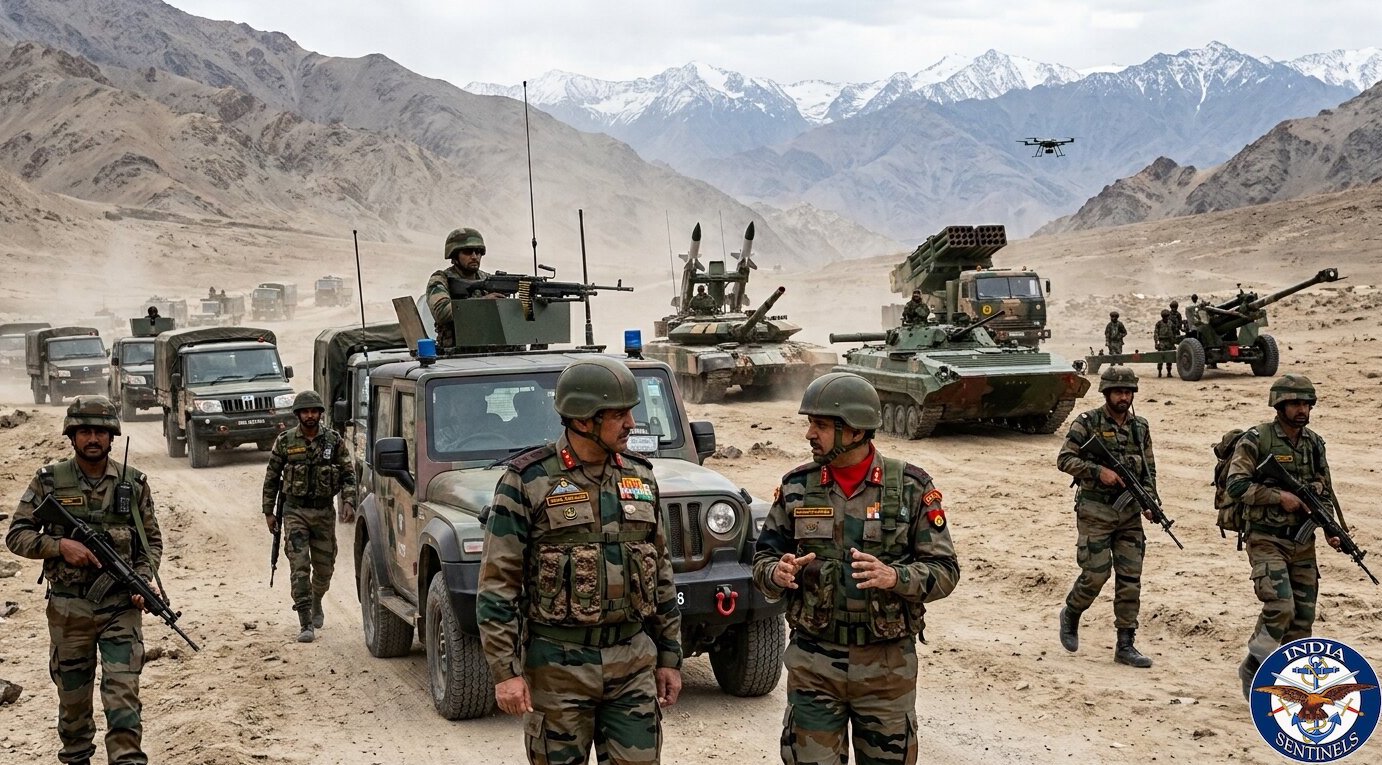
The IBG is conceived as a compact, self-contained combined-arms formation – built to fold infantry, mechanized units, armour, artillery, air defence, engineers, signals and logistics into a single command from the outset, rather than assembling them from scattered units once a crisis has already broken out. That is meant to solve a long-standing problem with the Army’s traditional mobilization drill, under which pulling together a fighting force from dispersed peacetime locations could eat up precious days.
The IBG concept traces back to a set of four restructuring studies commissioned under General Bipin Rawat, who went on to become India’s first chief of defence staff (CDS) in 2020 before his death in a helicopter crash the following year. Those studies laid the groundwork for the current transformation drive, which has continued to push jointness across the three services. The plan has taken years to move from doctrine to deployment, tested in smaller pilots along the Pakistan front before being cleared for the China-facing 17 Mountain Strike Corps.
17 Mountain Strike Corps as testbed
The Panagarh-headquartered 17 Mountain Strike Corps – the Army’s only dedicated mountain strike formation and one of four corps oriented towards the China front – has been designated the pilot for the new structure. Under the plan, the corps’ two existing divisions, the 59 Division at Panagarh and the 23 Division at Ranchi, are being reorganized into the new IBGs. If the trial validates the concept, the Army intends to extend it to its other three strike corps – the Mathura-based 1 Corps and Ambala-based 2 Corps, both oriented towards Pakistan, and the Bhopal-based 21 Corps.
In scale, an IBG sits between a brigade and a division. A conventional Army division, commanded by a major general, fields around 9,000 to 10,000 troops across at least three brigades or nine battalions, while a brigade under a brigadier numbers around 3,000 troops. An IBG, by contrast, is expected to carry roughly 5,000 troops – bigger than a brigade but leaner than a division – and will similarly answer to an officer of major general rank.
New operational layer
Each IBG will also carry a newly created chief operations officer (COO) appointment, to be held by a brigadier, functioning as the formation’s operational nerve centre by tying together planning, intelligence, logistics, fire support and battlefield execution. That frees the major general in command to concentrate on higher-order strategic and tactical judgement rather than day-to-day coordination – a division of labour the Army hopes will translate into markedly faster response times. Planners expect the restructured formations to be capable of launching operations within 48 hours of being tasked, compared with the considerably slower mobilization timelines associated with conventional corps-level deployment.
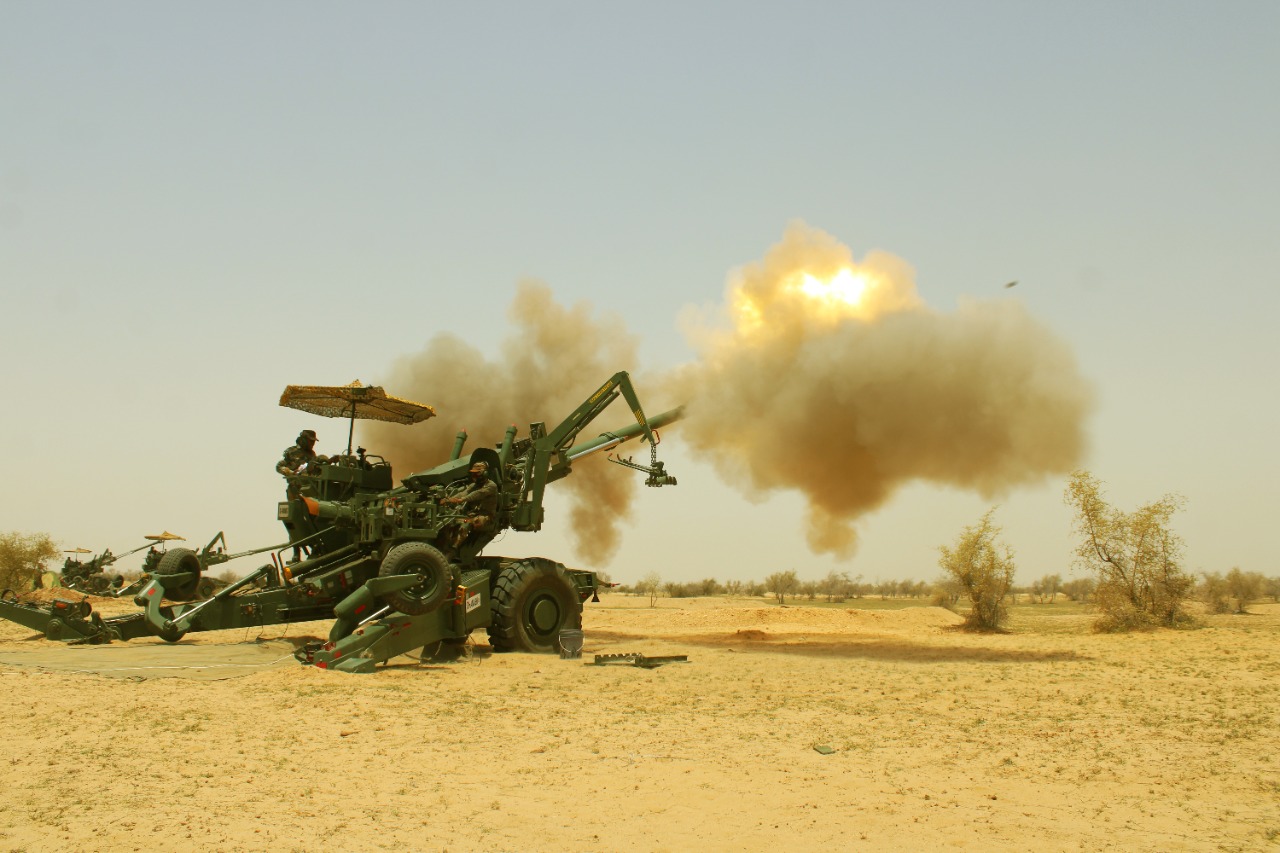
Standing apart from the five IBGs, the fire support group brings together long-range artillery, rocket systems, precision-strike assets and surveillance platforms under a single major general, intended to deliver concentrated, on-call firepower rather than leaving formations to draw on dispersed fire assets as before.
Part of wider reform push
The rollout does not sit in isolation. The former Army chief, General Upendra Dwivedi, disclosed at his annual news conference in January this year that the government had cleared 31 sanction letters for organizational reforms over the preceding 14 to 15 months, encompassing the IBGization of 17 Corps alongside the raising of new aviation brigades. The same reforms have brought in Rudra all-arms brigades for high-tempo multi-domain operations, Bhairav battalions built for agility and disruptive effect, and Shaktibaan artillery regiments and Divyastra batteries designed to exploit unmanned and counter-unmanned systems for extended-range, real-time targeting.
The broader push gathered pace after the 2020 military standoff with China in eastern Ladakh, and has since been reinforced by lessons drawn from Operation Sindoor, pushing the Army towards deeper jointness with the Navy and the Air Force, wider use of drones and loitering munitions, network-centric warfare capability, and a general shift of decision-making authority down to field commanders.
What comes next
For now, the IBG and FSG structure remains a pilot confined to 17 Mountain Strike Corps, with the Army treating the coming months as a validation exercise before wider commitment. Officers involved in the reorganization expect the IBGization of the corps to be completed by mid-2027, with a full Army-wide rollout targeted for 2029.
Notably, the shift echoes a comparable transformation China itself carried out over the past decade, when it dismantled its old divisional structure in favour of combined arms brigades – a parallel that is unlikely to be lost on planners at Army Headquarters as they watch how the pilot performs along the eastern front.
Follow us on social media for quick updates, new photos, videos, and more.
X: https://x.com/indiasentinels
Facebook: https://facebook.com/indiasentinels
Instagram: https://instagram.com/indiasentinels
YouTube: https://youtube.com/indiasentinels
© India Sentinels 2026-27