
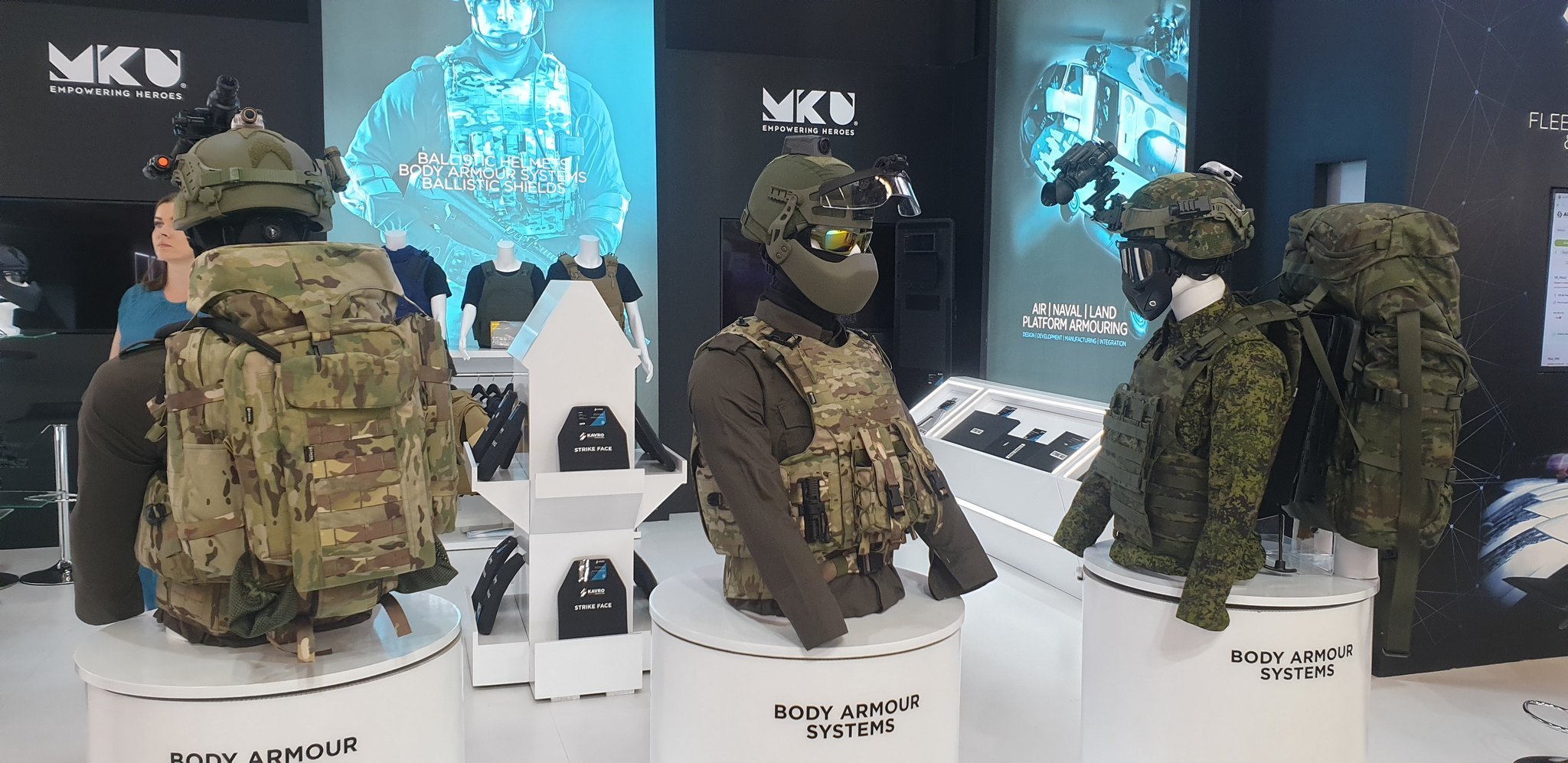
Kanpur-based defence technology company MKU Ltd is set to deepen its presence in Africa with a new manufacturing facility in Morocco, taking its nearly five-year engagement with the North African country from supplying defence equipment to local production.
2 WEEKS AGO
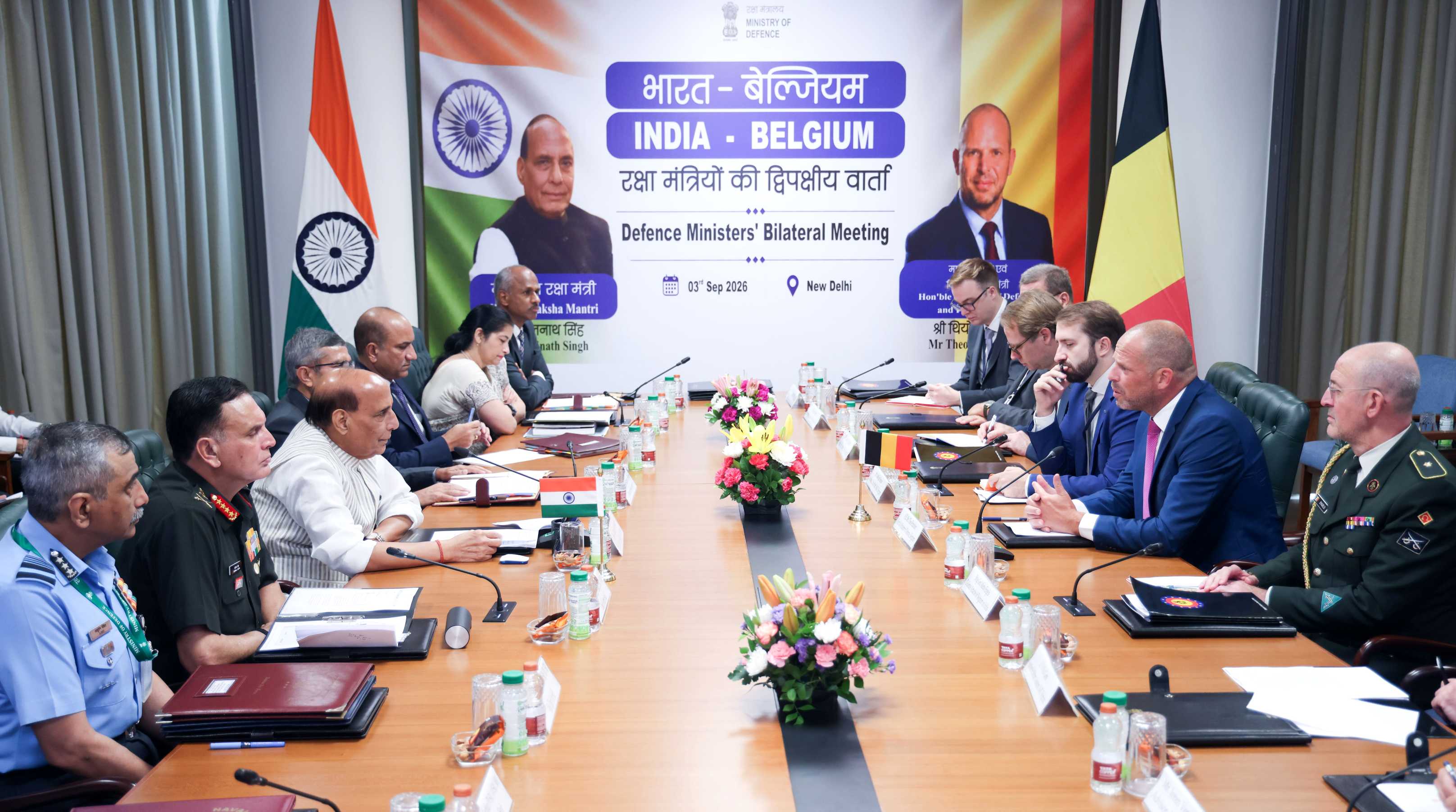
India and Belgium are moving to give their defence partnership a robust industrial foundation, with 10 agreements set to deepen cooperation in areas including rocket assembly, ammunition, drones, naval systems and advanced defence technologies.
2 MONTHS AGO
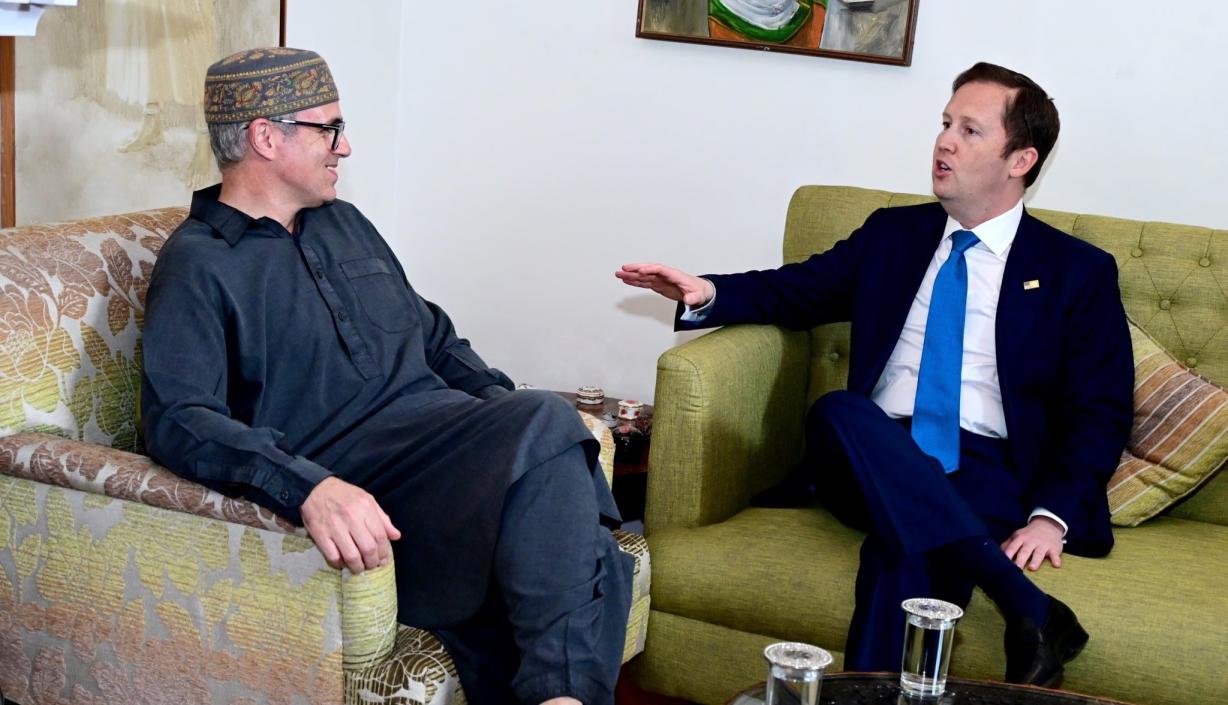
The diplomatic controversy over US Ambassador Sergio Gor’s remarks on Jammu and Kashmir has already moved beyond the original statement. Pakistan has lodged a formal protest, India has welcomed the comments, and Washington has indicated that it may reconsider its travel advisory for the region.
2 MONTHS AGO
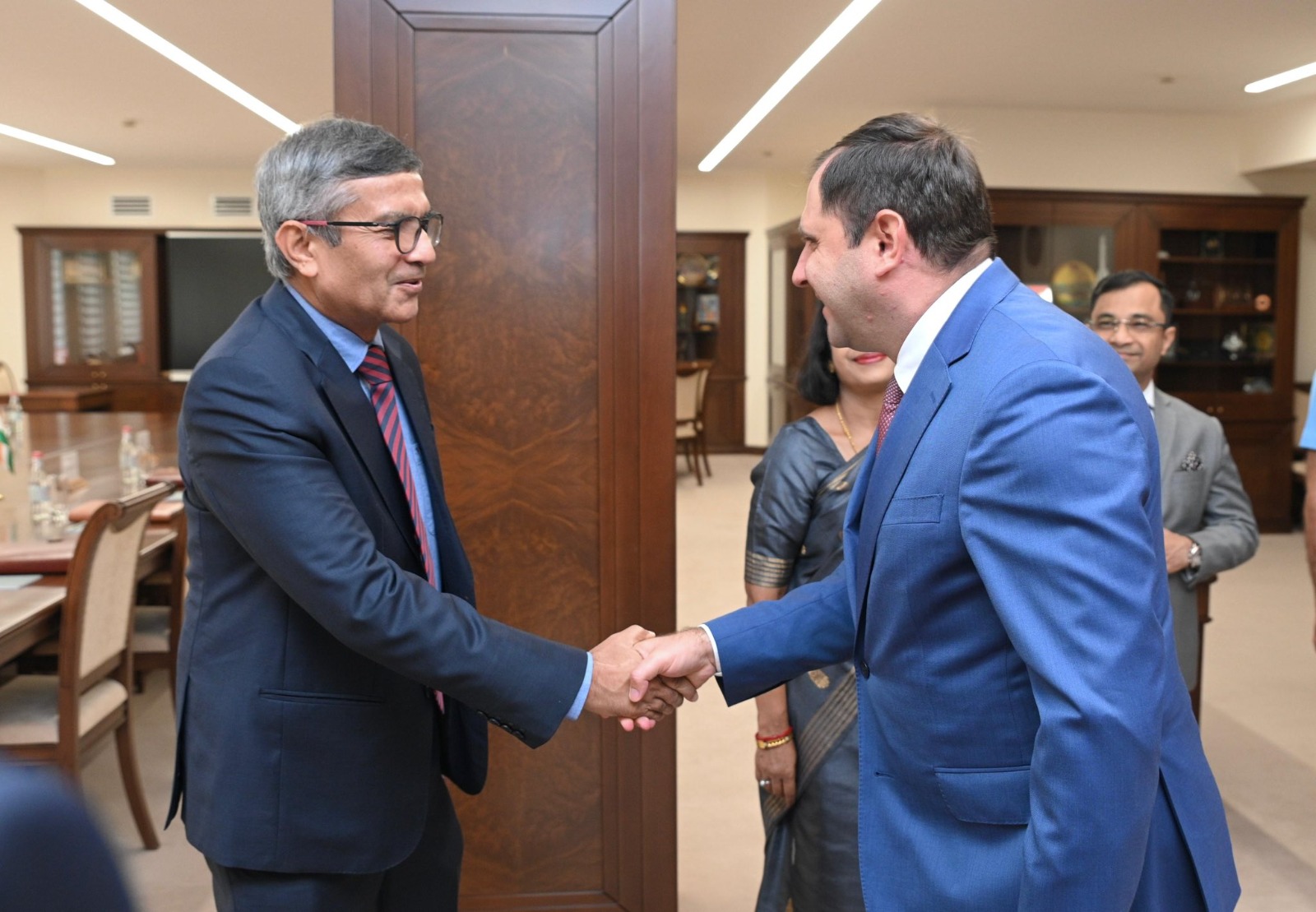
India and Armenia are expanding their defence partnership beyond arms purchases, with new cooperation in defence research, joint production, military training and technology. The growing relationship reflects Armenia’s push to diversify its military suppliers and India’s expanding strategic footprint in the South Caucasus.
2 MONTHS AGO
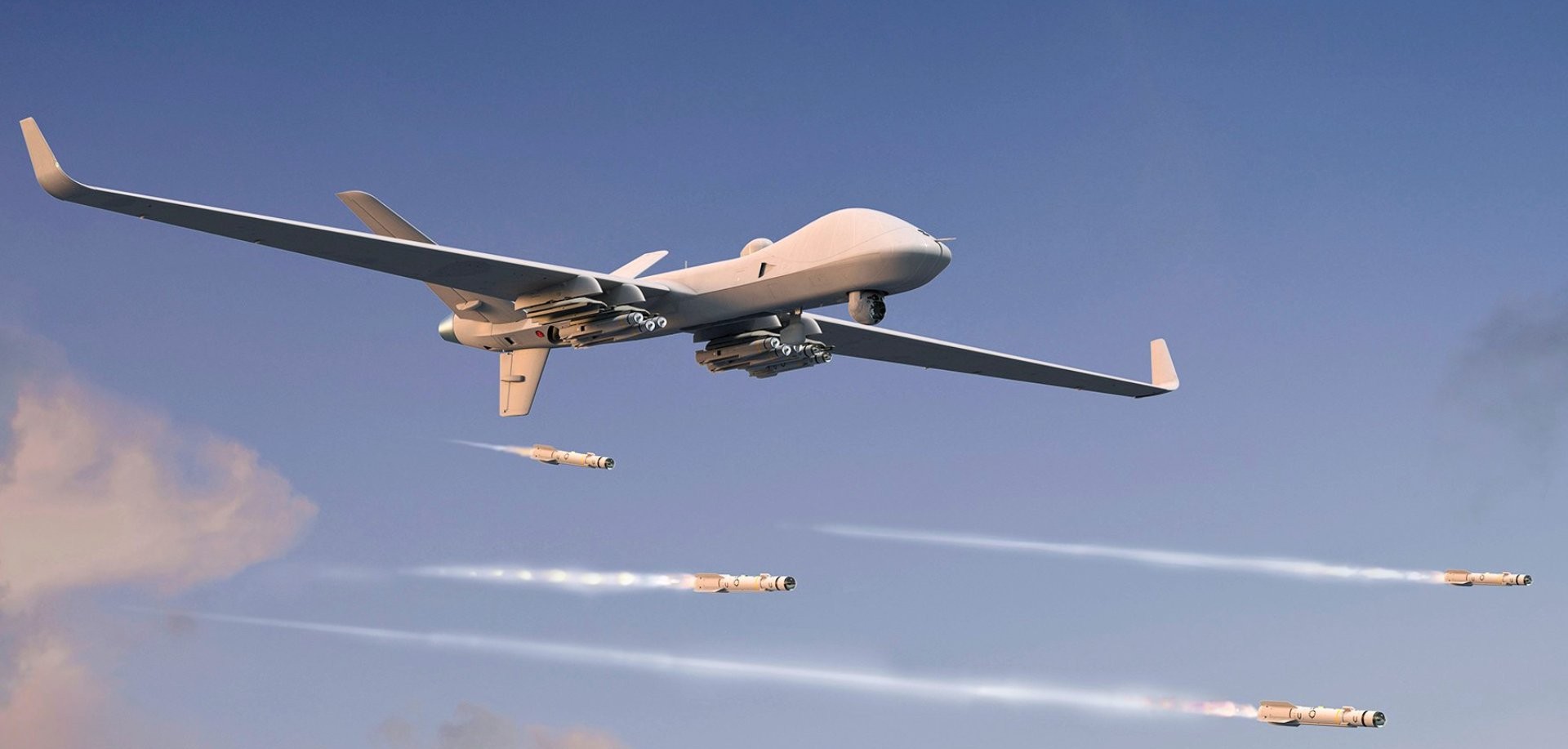
India has leased two more MQ-9B Sea Guardian drones for ₹1,943 crore, doubling its leased fleet to four as the Navy strengthens persistent surveillance across the Indian Ocean amid growing Chinese naval and research activity.
2 MONTHS AGO
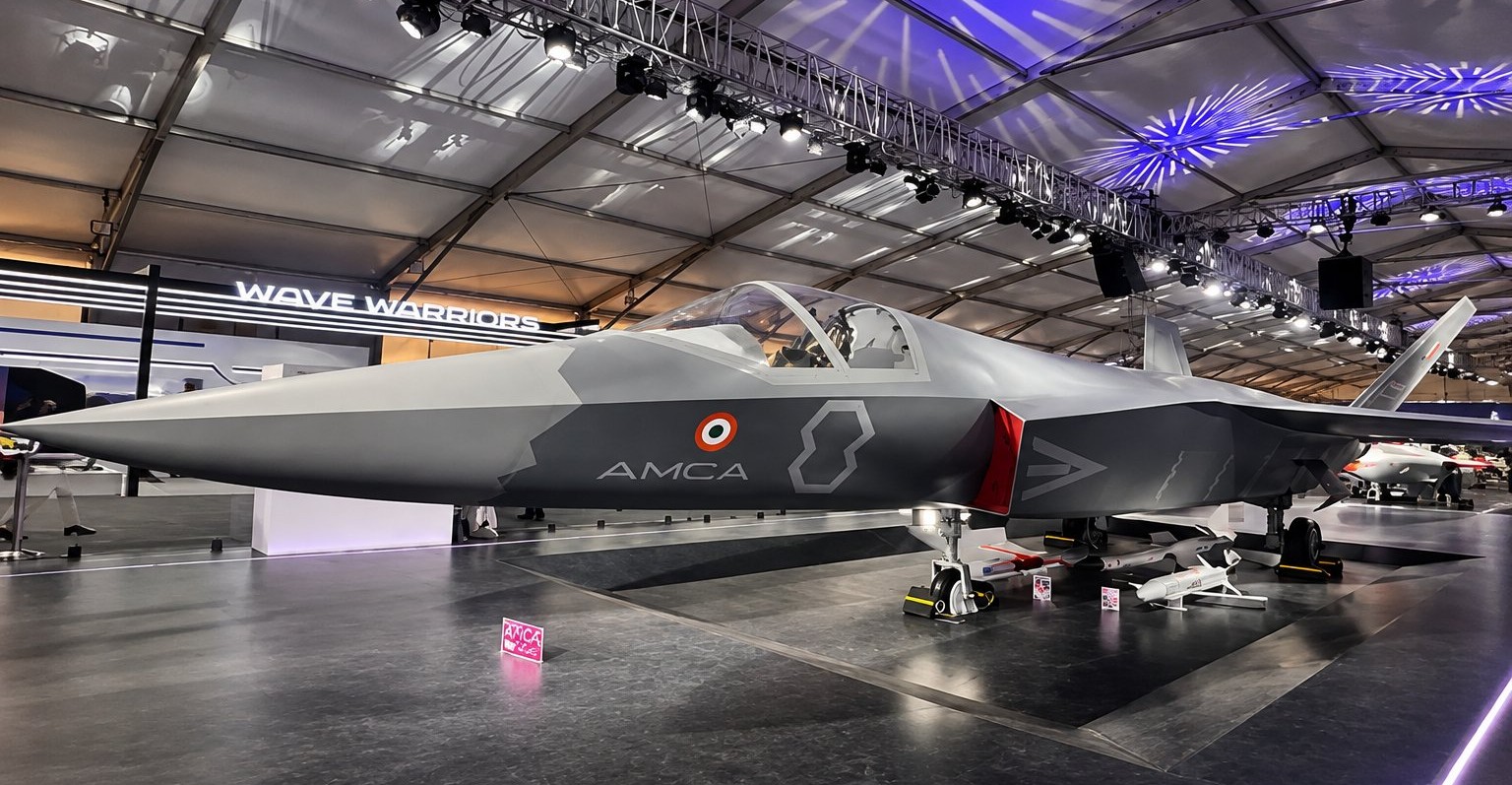
India’s effort to develop a home-grown engine for its fifth-generation fighter aircraft has entered a more competitive phase, with Reliance Industries Limited (RIL) and Rolls-Royce announcing a strategic intent to work together on the powerplant for the Advanced Medium Combat Aircraft (AMCA).
2 MONTHS AGO
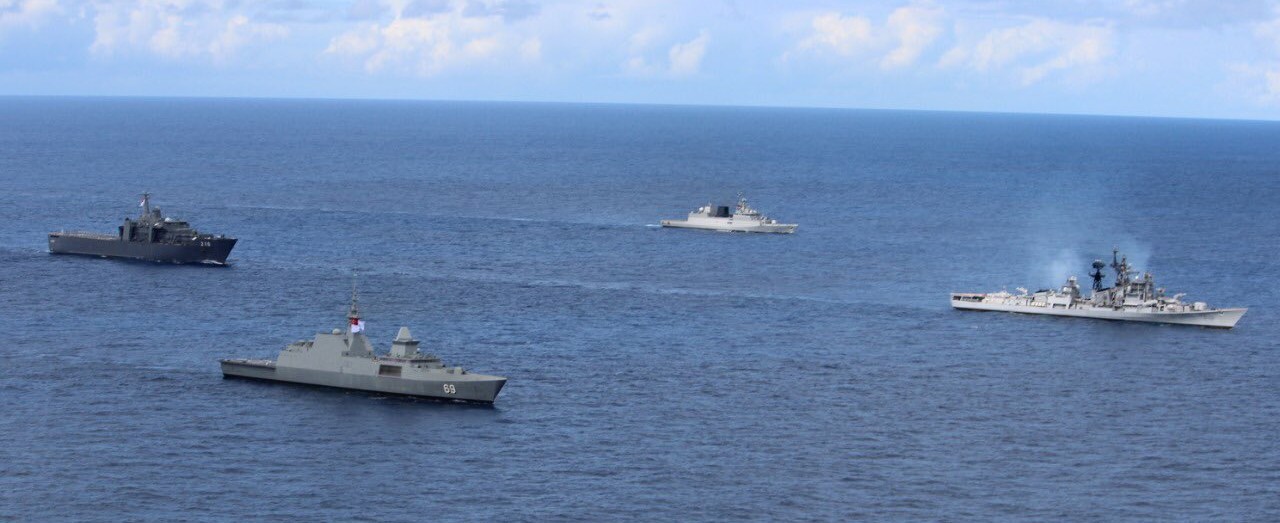
The second ASEAN-India Maritime Exercise is set to put an increasingly important question at the center of the Indo-Pacific: how can countries that depend on the sea for trade, energy, food and security work together when the maritime environment is becoming more contested? The answer will begin taking shape when India and the 11 ASEAN member states gather for AIME 2026 in waters off the Philippines from September 28 to October 2.
2 MONTHS AGO
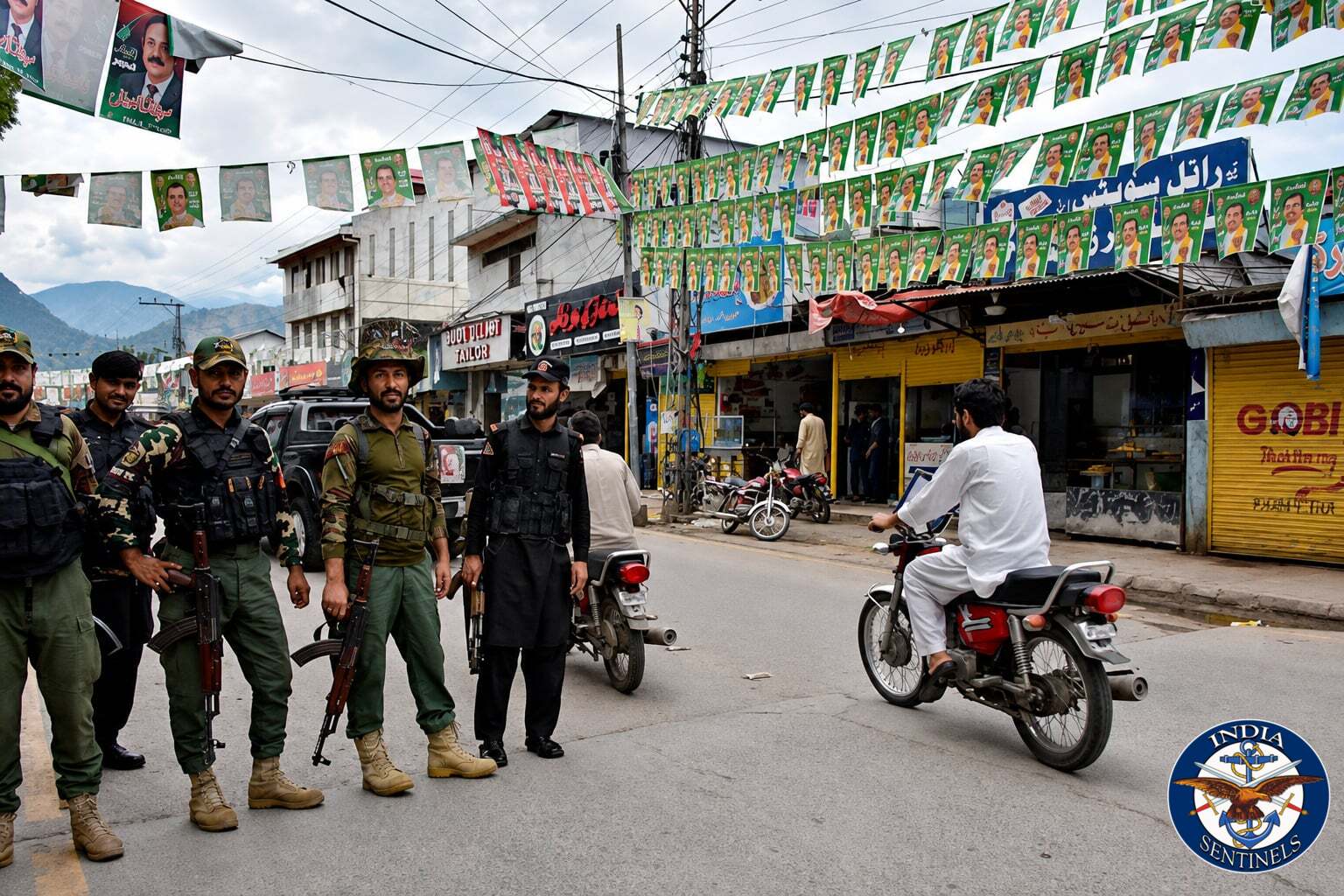
A democracy is not judged by how it behaves when all is calm. Its real character shows when citizens take to the streets to question those who govern them. Elections exist precisely to channel that friction into something orderly – to let grievances play out through representation instead of confrontation.
3 MONTHS AGO
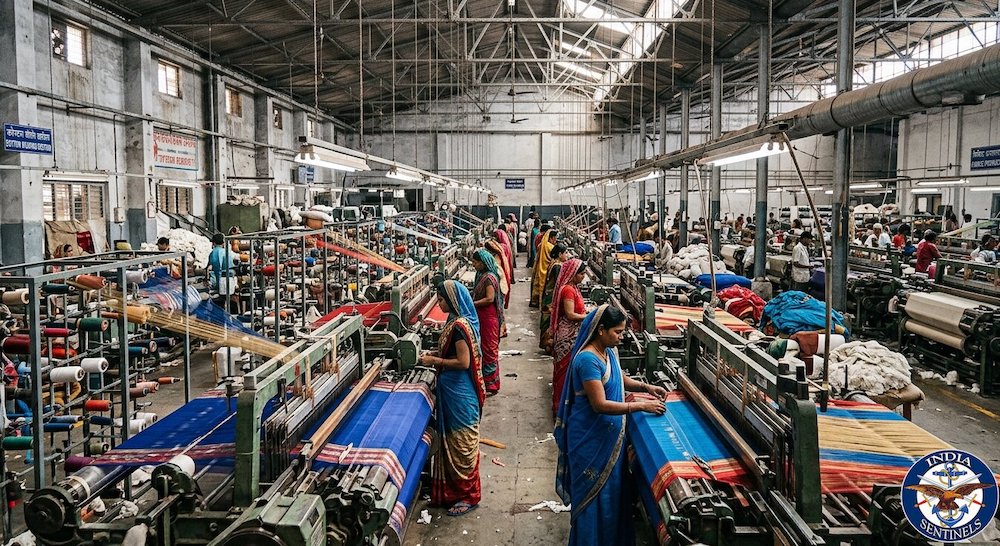
In this joint op-ed, Dr Aparaajita Pandey and Bhanavi Mathur write that empires once conquered through fashion as much as force, and that today’s states are reviving textile heritage as a deliberate instrument of geopolitical strategy.
3 MONTHS AGO
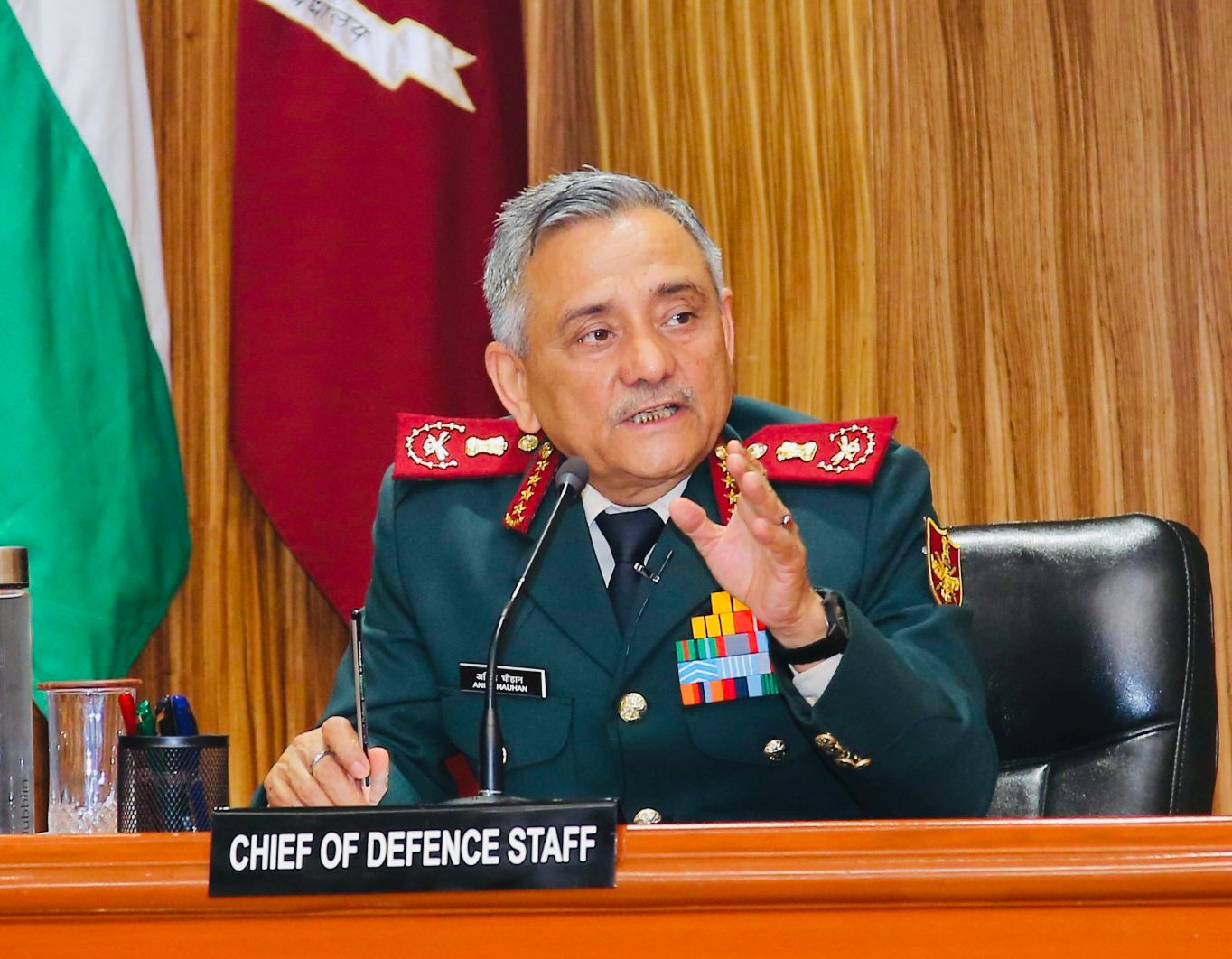
In this article, Dhanashree Valunjkar, research assistant at CENJOWS writes on CDS General Anil Chauhan’s tenure and the legacy he leaves behind, when he retires on May 30.
5 MONTHS AGO

India’s aid to some countries has increased while it has declined to others, with such changes largely being a consequence of evolving geopolitical realities, their security considerations, and India’s long-term strategic interests.
2 YEARS AGO

About Us | Contact Us | Privacy | Cookies