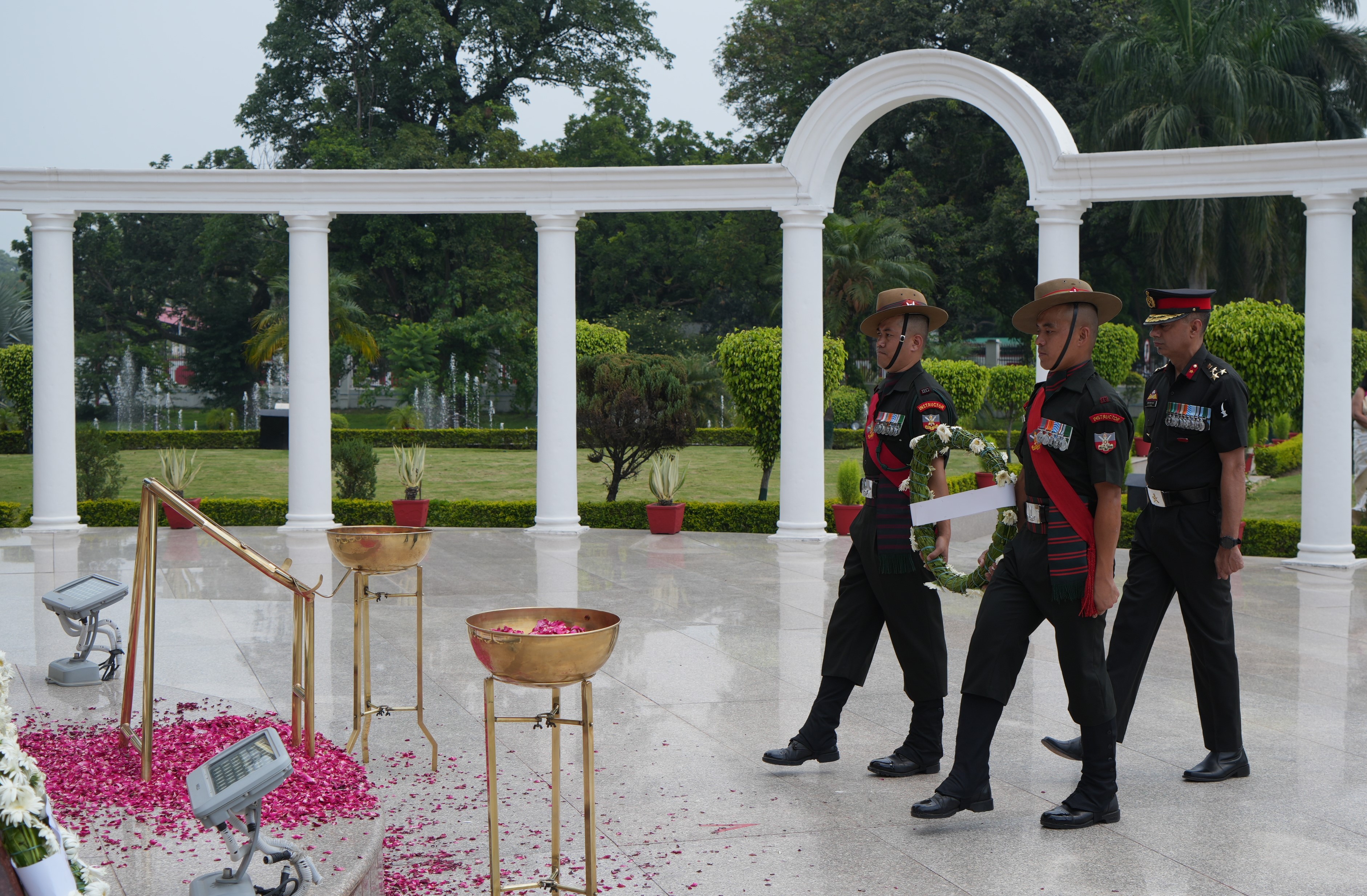
Dehradun: The Indian Military Academy (IMA) in Dehradun was the venue on June 20, 2025, for a silver jubilee reunion of officers who entered service through two distinct streams a quarter century ago, the 91st Technical Entry Course (TEC) and the 9th University Entry Scheme (UES).
The gathering drew 75 officers, many accompanied by their families, to the same institution where their careers in the Indian Army had begun.
The TEC and UES are two of the established routes through which the Indian Army recruits technically qualified officers. The TEC, introduced in 1987, admits candidates straight from school on the basis of performance in science subjects at the Class 12 level, putting them through a five-year integrated programme at IMA that combines engineering education with military training.
Read also: Indian Military Academy’s 107 Regular Course commemorates silver jubilee in Dehradun
The UES, by contrast, draws graduates from engineering colleges across the country through a campus recruitment process, shortening the pre-commissioning period at IMA. Officers from both streams received their commissions around the same time in 2000, making them contemporaries in service.
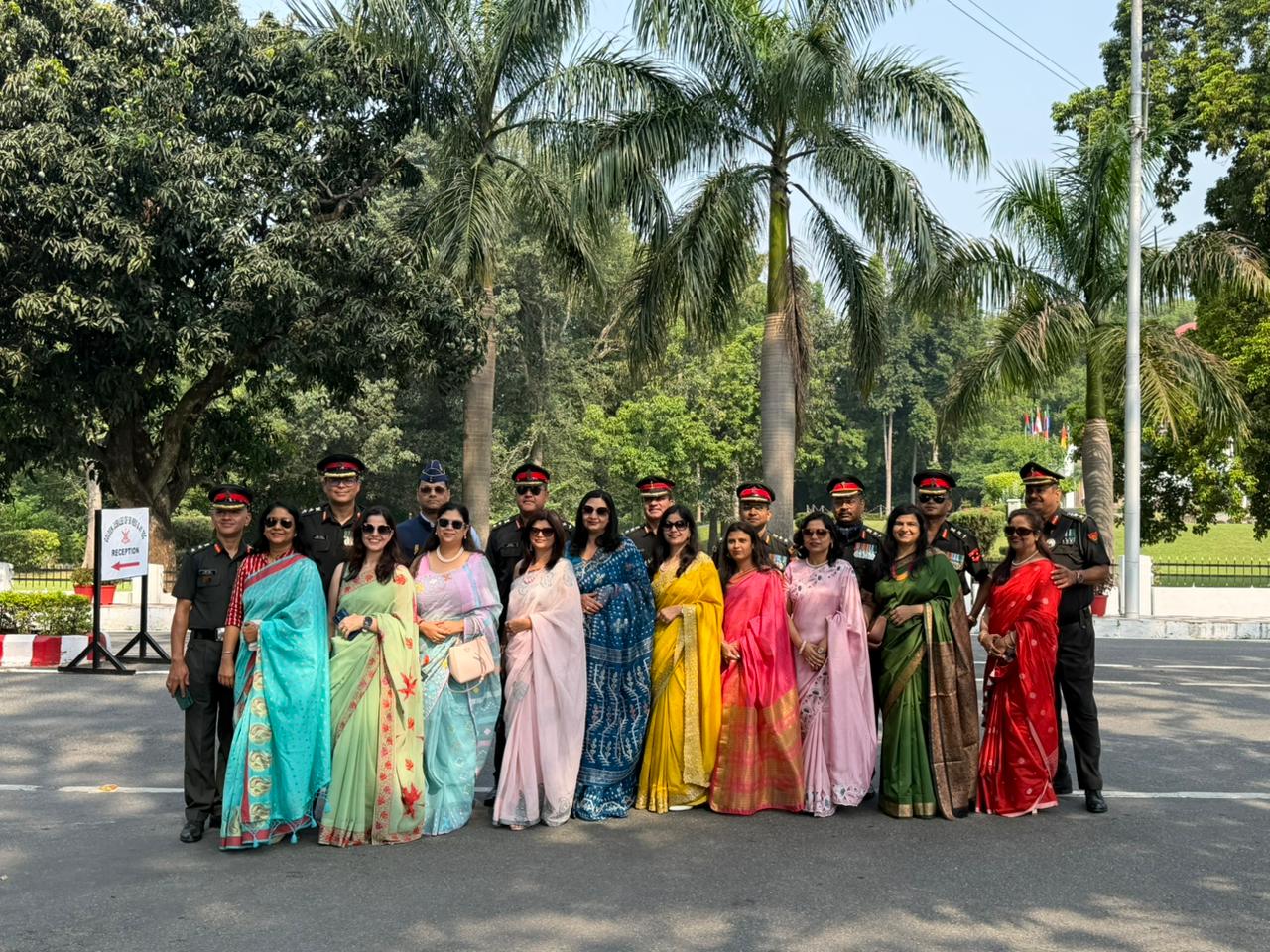
The programme on the day mixed formal interactions with informal sessions across the IMA campus. Officers recalled years of shared training – exercises, drills and the discipline that the Academy is known for – as well as the command tenures, field postings and operational experiences that have defined their subsequent careers.
Several have risen to senior ranks over the past two and a half decades, a period during which the Indian Army has seen significant structural and operational changes, including an expanded role in counter-insurgency operations in the north-east and Jammu and Kashmir, as well as repeated border deployments.
Families who attended were given a glimpse into the institutional setting that had shaped the officers during their formative years.
All about IMA
The IMA, established in 1932 at Dehradun in the foothills of the Garhwal Himalayas, remains the country’s principal officer training academy for the Indian Army. Its alumni include field marshals, chiefs of army staff and recipients of India’s highest gallantry awards. The academy’s physical campus – its chetwode building, parade grounds and woodland terrain – formed the backdrop for much of the day’s informal programme.
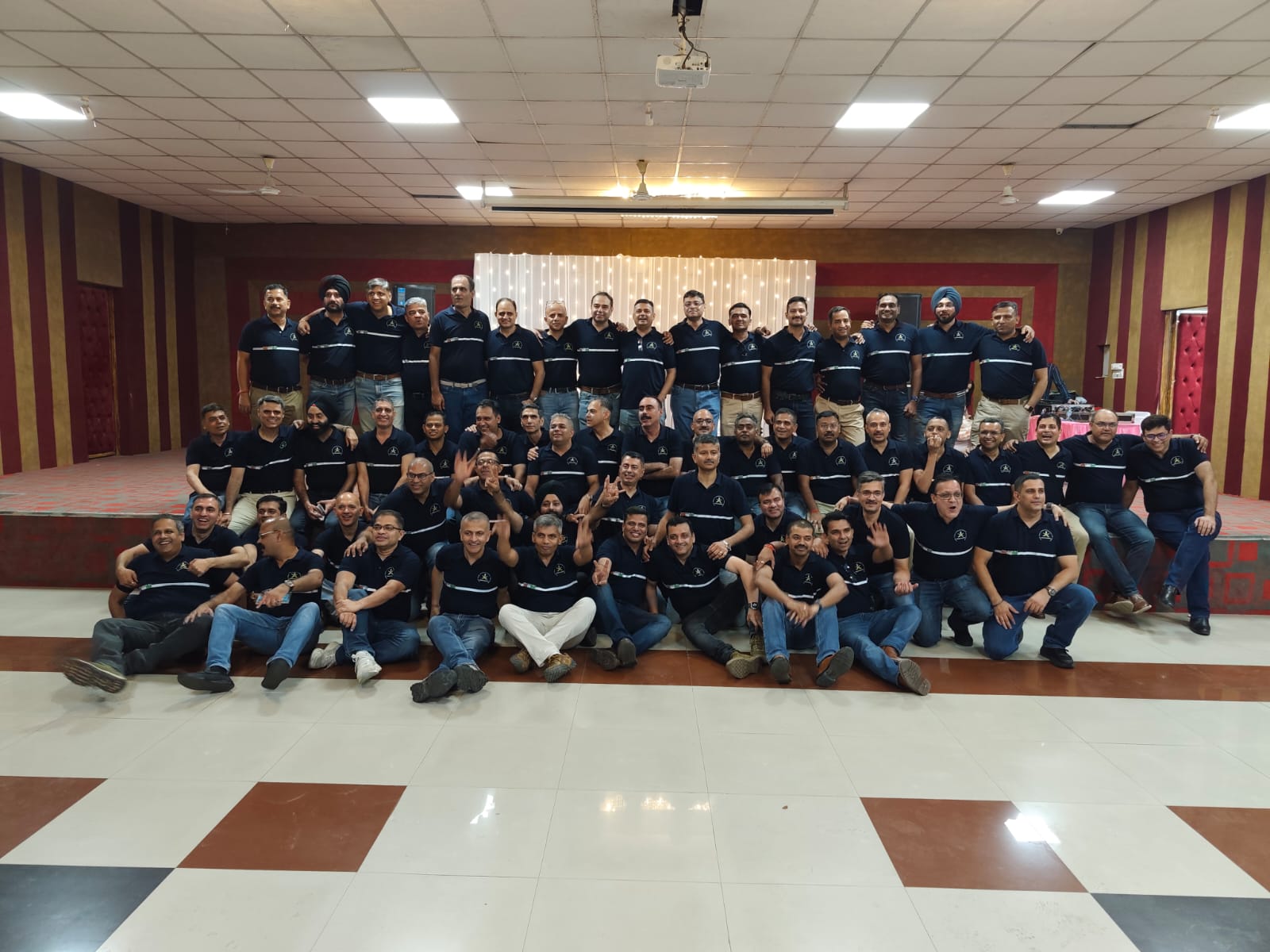
Reunions of this kind are not unique to IMA, but they carry a particular resonance in military institutions, where training bonds are reinforced by the shared demands of subsequent service. Officers who went through the same courses often serve alongside each other at multiple points in their careers, in peacetime postings as well as in operational environments, creating professional associations that outlast any single assignment.
The Indian Army commissions approximately 400 to 500 officers every year through its various training academies, of which IMA is the largest. The TEC and UES together account for a portion of those commissions, alongside other routes such as the National Defence Academy, the Officers Training Academy in Chennai and the short service commission streams.