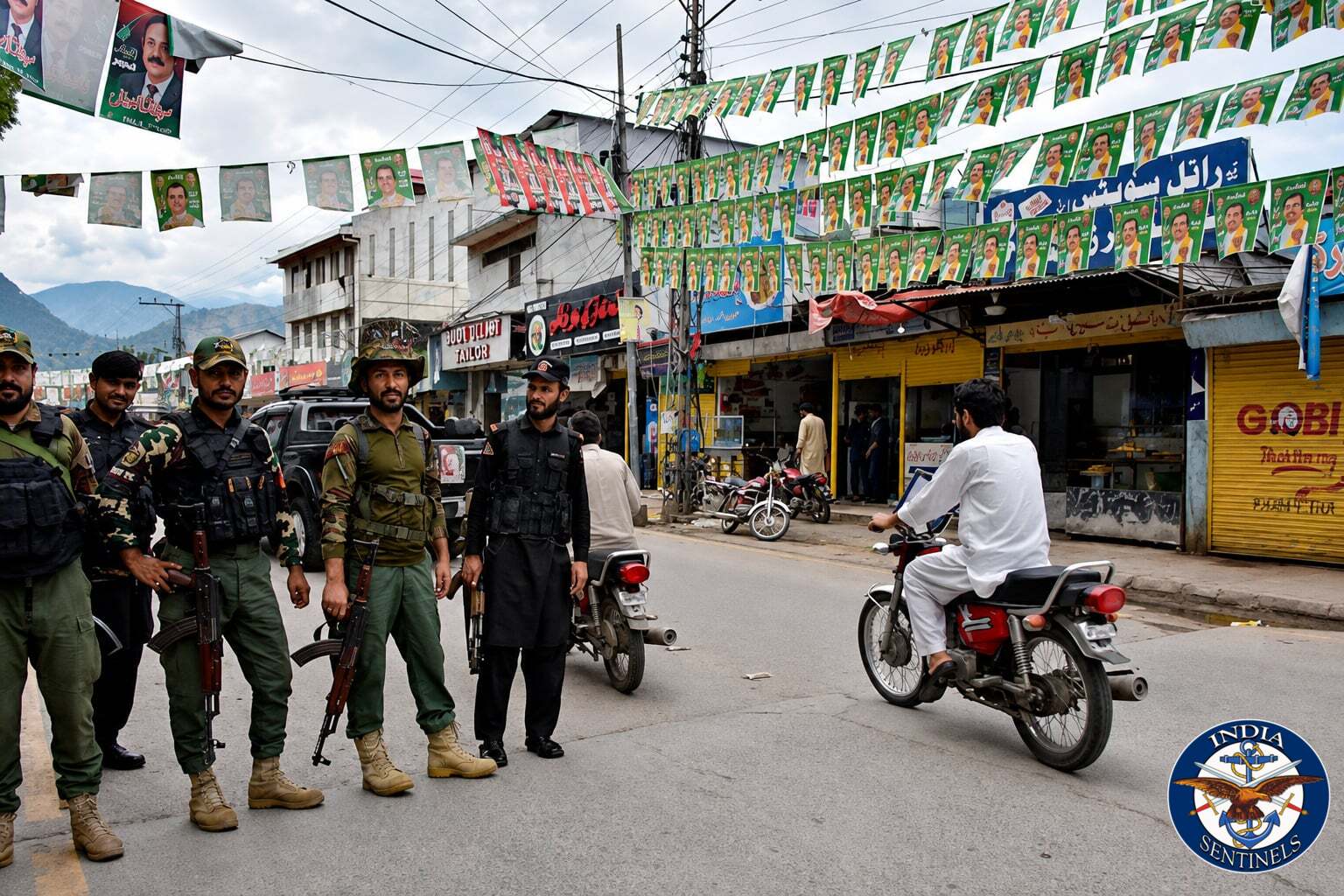
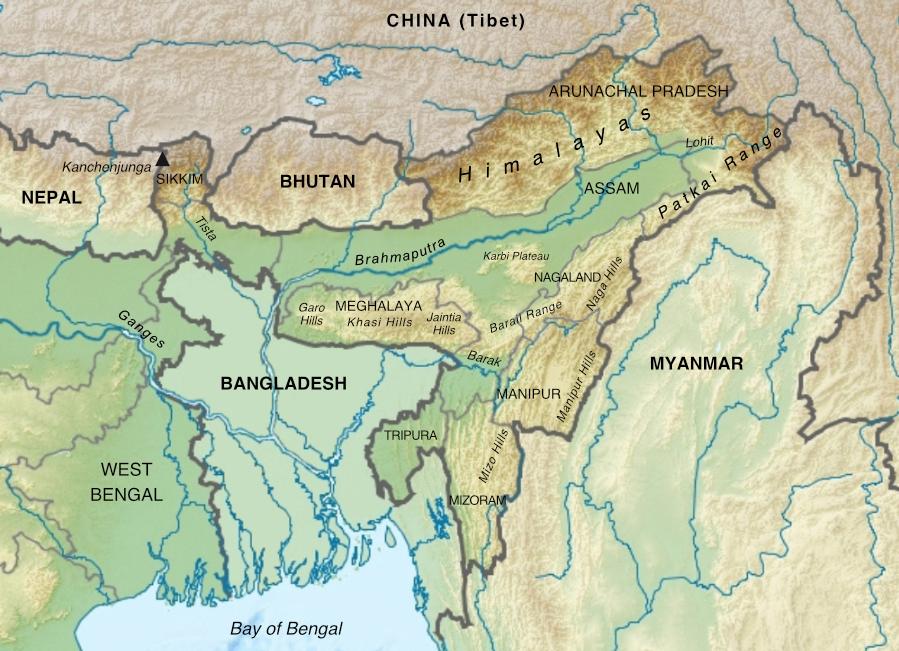
 India shares a 4,096-kilometre border with Bangladesh.
Bangladesh is in perpetual turmoil, and India-Bangladesh tensions have assumed a new dimension that appears permanent. Since the interim administration took power with an overtly anti-India mindset, the relationship between the two neighbours has deteriorated sharply. The government that assumes power after elections will likely ride an anti-India wave to victory, posing serious threats to both India’s external and internal security.
Bangladesh is slowly emerging as a third front in the eastern theatre, with active support from Pakistan’s deep state. Fundamentalists are having a field day while minorities live in fear. Coupled with expanding ISI footprints across Bangladesh, this represents a grave security threat to the Siliguri Corridor and India’s northeast. The Border Security Force, tasked with protecting the 4,096-kilometre India-Bangladesh border, urgently needs enhanced focus in terms of modernization, deployment, and border guarding tactics.
It is high time the India-Bangladesh border receives attention consistent with its security sensitivity and ground realities.
Read also: Radicalization in India is a national crisis that demands constitutional resolve
A Porous and Hostile Frontier
The India-Bangladesh border is one of India’s most difficult and hostile frontiers. Its porosity stems from riverine stretches, unfenced gaps, populations living ahead of the fence, vast areas of responsibility, and the perpetual shifting of BSF deployments that creates gaps in border security. Add to this a hostile population and administration across the border, and the challenge becomes formidable.
Yet professionally, policymakers and security czars treat the Indo-Bangladesh border as normal and safe. Hence, non-lethal tactics have been adopted as the primary border guarding strategy. This gives a decisive advantage to militants, smugglers, infiltrators, and illegal immigrants. They know the BSF functions with its hands tied, and that the pump-action gun (PAG) is its main arsenal.
There has been no major strategic shift in border guarding methodology despite the BSF suffering casualties periodically, most prominently during skirmishes with the Border Guards Bangladesh (BGB) in 2001 and 2004-2005. Border porosity, the killing of BSF personnel, regime change in Bangladesh with an anti-India establishment in the saddle, the close nexus between Pakistan and Bangladesh, and expanding ISI footprints should have stirred the government and BSF into action to reassess border guarding strategy.
Unfortunately, despite all the warning signs of approaching volatility and disruption, the continuation of non-lethal tactics sounds unprofessional and bizarre. It is still not too late to renounce this approach, considering Bangladesh’s hostility on all fronts.
Read also: Fighting White-Collar Terror – India’s battle begins in the classroom
Pakistan’s New Front Through Bangladesh
Following the dethroning of Sheikh Hasina and the installation of Muhammad Yunus’s anti-India interim administration in Bangladesh in August 2024, Pakistan smelled an opportunity to avenge its continued failures on the Kashmir front. Islamabad appears to be working on a strategy to create another Kashmir in India’s northeast.
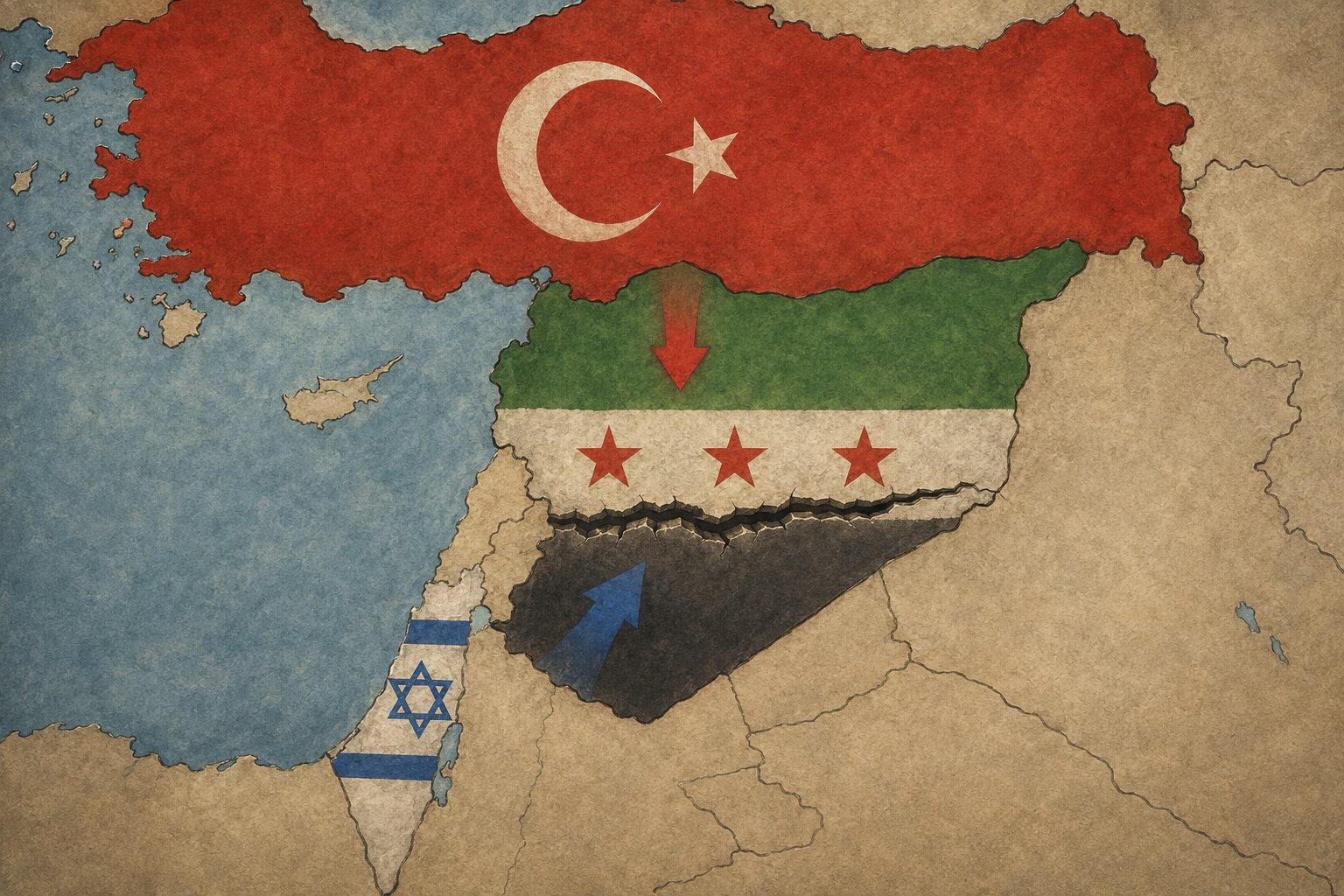
The present turmoil in Bangladesh aims to create fear among minorities, forcing them to migrate illegally and thus threatening security at the borders. A trilateral axis has emerged involving Pakistan, Bangladesh, and Turkey, aimed at training local youth and radicalizing them as foot soldiers to create a widespread anti-India perception and indoctrinate them for violence in the northeast.
Pakistan, with active cooperation from Bangladesh’s interim administration, has established its grip in Bangladesh. ISI footprints are visible across the country, coordinating anti-India activities aimed at destabilizing the northeast. Pakistan is either partially shifting or in the process of shifting its terror bases to Bangladesh, involving Lashkar-e-Taiba (LeT) and Jaish-e-Muhammed (JeM), aimed at expanding its footprint for recruitment, training, radicalization, and ultimately launching operations into India.
Bangladesh has become a new breeding ground and playground for Pakistan to execute its anti-India agenda. According to news reports, LeT chief Hafiz Saeed is planning to open a new terror front against India through Bangladesh. At a rally in Khairpur Tamewali in Pakistan on October 30, 2024, Lashkar commander Saifullah Saif openly called for jihad against India, stating: "Our people are active in East Pakistan (Bangladesh) and are ready to respond to India."
The new target of Pakistan’s deep state, the ISI, Bangladesh, and Turkey is clearly India’s northeast. Turkey is playing the role of financial and technological supporter to the ISI and its proxy organizations. Arms training for Bangladesh youth and hardcore elements has already started under ISI direction as part of JeM’s campaign to raise suicide squads who will likely be infiltrated into India for destructive activities.
Read also: Supreme Court judgment on CAPF officers is final. Implementation must begin
The Expanding Threat Matrix
The ISI is actively involved in training Bangladesh youth for use in anti-India activities. The ISI’s Bangladesh chapter will likely attempt infiltration into India in collaboration with organizations like SIMI (Students Islamic Movement of India), MULFA (Muslim United Liberation Front of Assam), Rohingya refugees, and disgruntled tribal elements of the northeast for recruitment, training, and radicalization of local youth.
The harassment of northeastern communities in mainland India and recent incidents like the killing of tribal youth add new dimensions to security concerns in the northeast and along the Indo-Bangladesh border. As of now, the whole of Bangladesh is a breeding ground for anti-India activities with active connivance and cooperation between Bangladesh and Pakistan’s deep state.
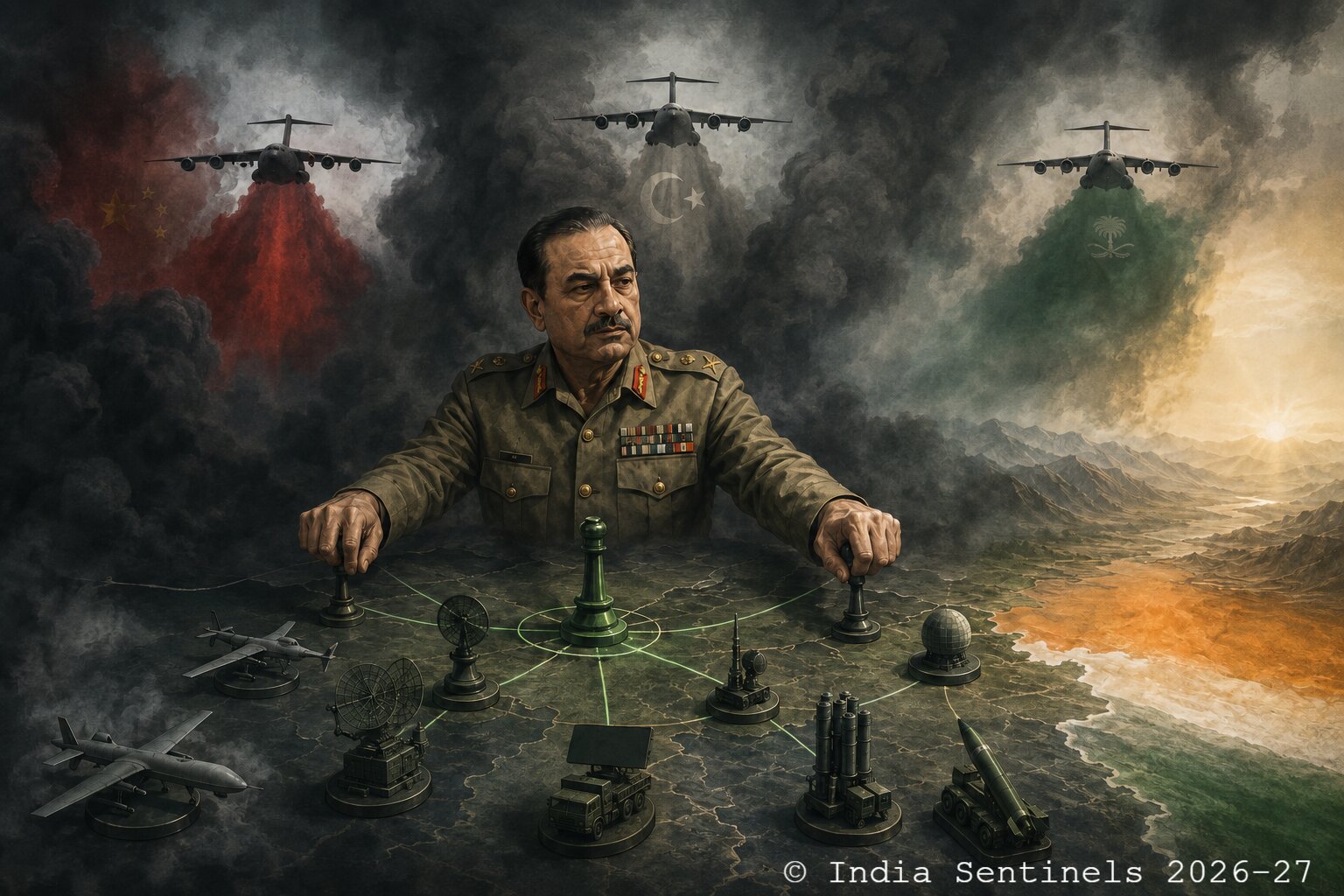
The fourth player in this axis is China, with its interest in the northeast focused on the Siliguri Corridor – also known as the “Checken’s Neck” – due to its strategic value and Arunachal Pradesh. This makes the axis partly quadrilateral. India faces a multi-pronged threat posing serious internal and external security challenges all along the 4,096-kilometre Indo-Bangladesh border.
Read also: Democratic Dilemma – How elections compromise border security
BSF’s Critical Role and Needed Reforms
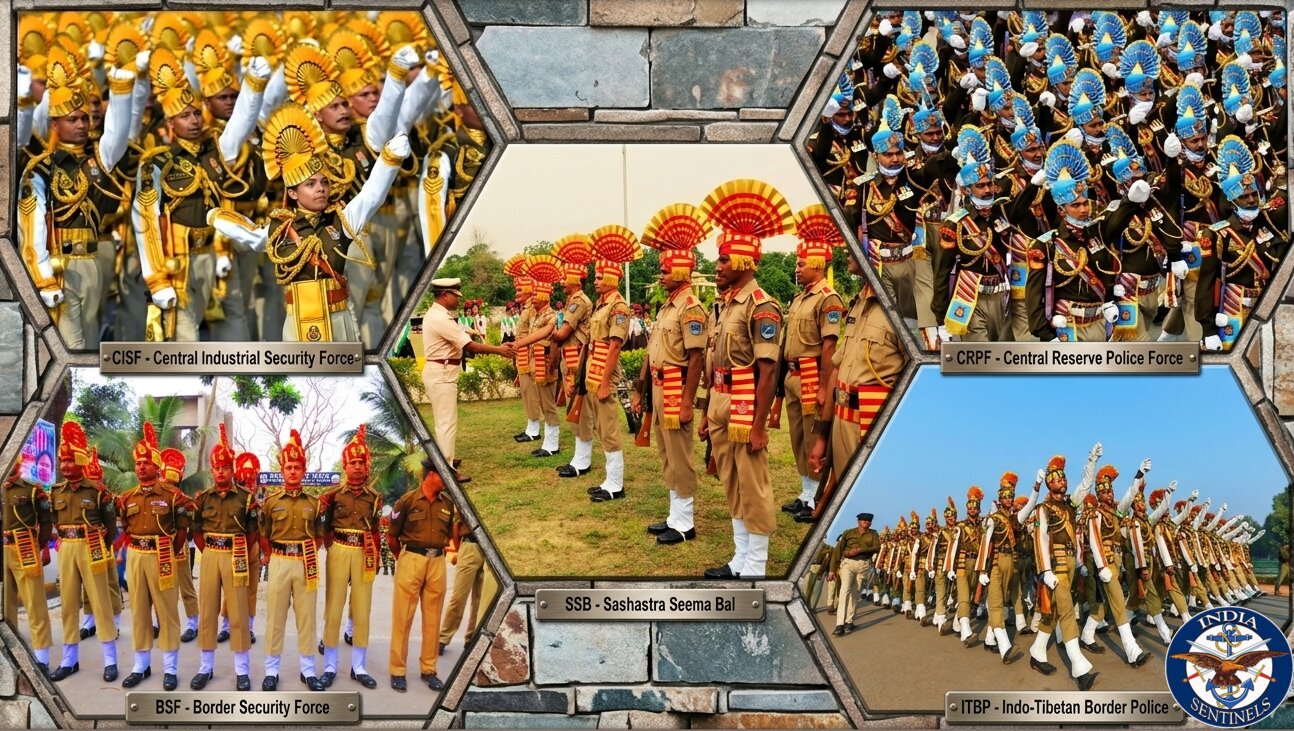
The Border Security Force is the first responder to retaliate against any hostile activity from across Bangladesh. It has boots on the ground to guard the border and an effective surveillance grid consisting of surveillance devices in addition to fencing as a major obstacle to check illegal immigration, infiltration, and smuggling.
What it needs to do now is carry out a professional and realistic assessment of existing and anticipated threats that will pose major challenges for border security and internal security in the northeast, especially in West Bengal (including the Siliguri Corridor), Assam, Meghalaya, Tripura, and Mizoram. Arunachal Pradesh is already on China’s radar.
The assessment must consider that the Bangladesh Army and Border Guards Bangladesh are being expanded and equipped with modern weaponry. This expansion aims to strengthen defense against India and facilitate low-intensity conflict operations in the northeast, making it a new hub of violence and disruption in addition to Kashmir.
Read also: Ladakh Unrest – When promises meet reality on India’s strategic frontier
Strengthening Deterrence
The BSF needs to take measures to strengthen itself as a strong deterrent for both border guarding and handling Bangladesh in conventional war scenarios. It needs to strengthen its institutional training regimen, giving individual and collective training top priority without disruptions.
The habit and concept of deploying training companies for internal security needs and frequent withdrawals from borders for electoral commitments need to be revisited. Frequent shifting and moving from borders make deployment unstable, compromise border security, and demoralize personnel, going against the professional ethics of stability in deployment. Leadership detached from ground realities may use the absence of a spurt in border incidents as evidence that frequent withdrawals don’t affect border security, without realizing there may be underreporting, giving a false impression that all is well.
Read also: Beyond Fencing – Complex reality of India’s most vulnerable border
The Non-Lethal Fallacy
Technology, surveillance equipment, and observation posts are merely observatory tools providing inputs. They are in no way deterrents capable of neutralizing threats by themselves. The real deterrent is personnel on the ground with the authority to decide and use lethal force as a tool to neutralize threats.
Presently, non-lethal tactics and strategy prevail all along the India-Bangladesh border, which emboldens anti-national elements since they know the BSF has restrictions on the use of lethal force. Non-lethal measures are no match against militants, infiltrators, and cattle smugglers armed with lethal traditional weapons, or illegal immigrants ably aided by agents and touts entering clandestinely and violating the sanctity of the zero line. Non-lethal approaches make border guarding unstable and ineffective.
These threats are serious security vulnerabilities that need to be recognized and accepted by policymakers and security professionals. Now is the time to revisit non-lethal tactics and strategy, considering the implications of the anti-India axis consisting of Pakistan and Bangladesh aimed at destabilizing the northeast, with China eyeing the Siliguri Corridor and Arunachal Pradesh.
Read also: Border Security Force is an armed force, not police, nation must know
The Way Forward
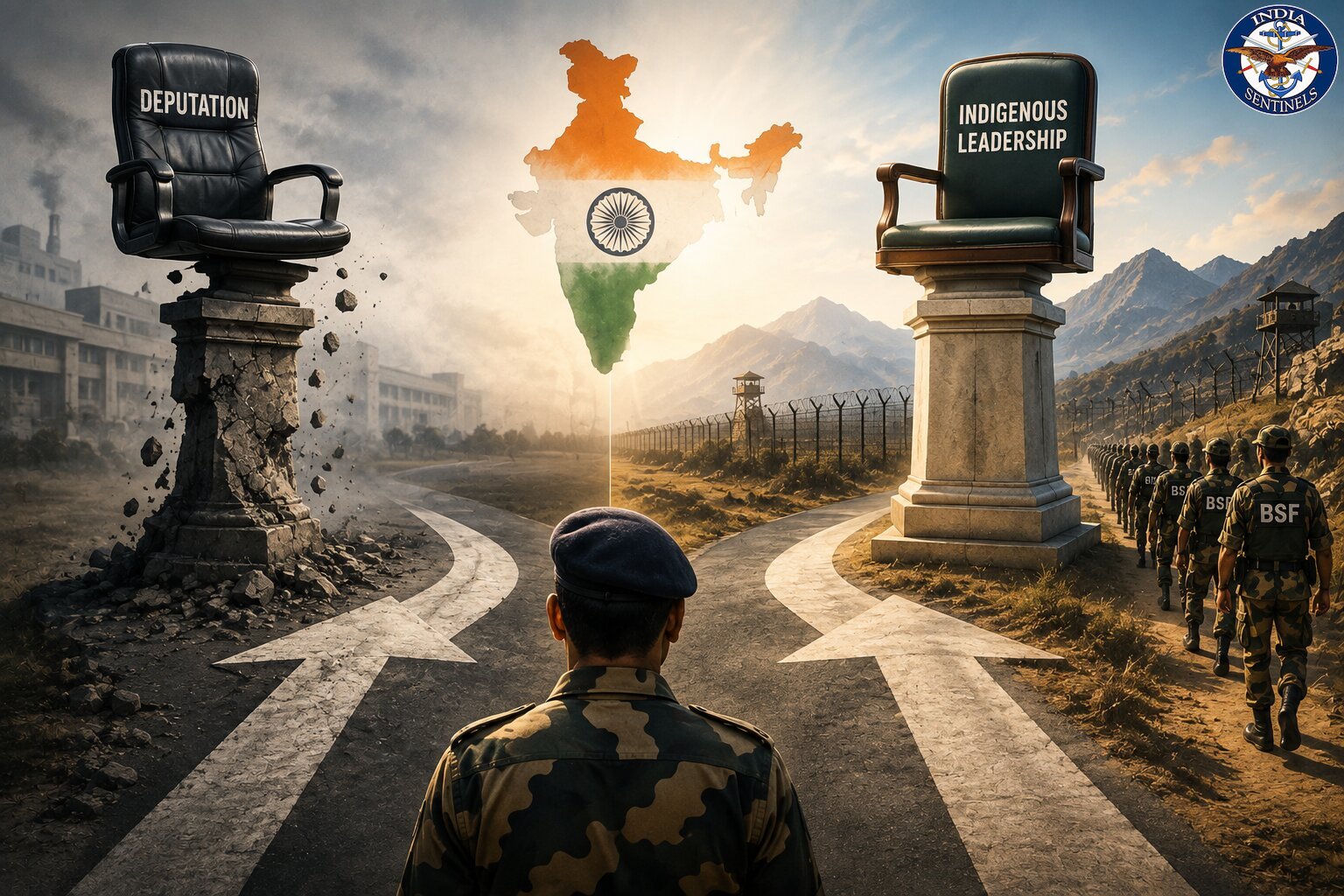
The BSF needs to bolster its training regimen, stabilize border deployment, and revisit its non-lethal strategy for effective border and internal security all along the Indo-Bangladesh border. Unless the security realities of the India-Bangladesh border are recognized and practical steps are taken to address ground-level concerns in consonance with the emerging geopolitical scenario, gaps in border security will remain.
These gaps will be exploited by the unholy anti-national nexus in collaboration with Bangladesh and Pakistan to threaten border security and disrupt peace and harmony in the northeast region. The time for complacency has long passed. What is needed now is a clear-eyed assessment of threats and a willingness to adapt tactics to meet the challenges of a fundamentally changed security environment.
The BSF has served the nation with distinction but with changing threat scenarios, it needs right support and freedom of action to manage ever changing India-Bangladesh border-security dynamics. But that requires policymakers to acknowledge reality: the India-Bangladesh border is no longer a benign frontier, and non-lethal tactics are a dangerous anachronism in the face of a coordinated, multi-nation threat to India’s territorial integrity and internal security.
Disclaimer: The views expressed in the article are the author’s own and don’t necessarily reflect the views of India Sentinels.
Follow us on social media for quick updates, new photos, videos, and more.
X: https://x.com/indiasentinels
Facebook: https://facebook.com/indiasentinels
Instagram: https://instagram.com/indiasentinels
YouTube: https://youtube.com/indiasentinels
© India Sentinels 2025-26