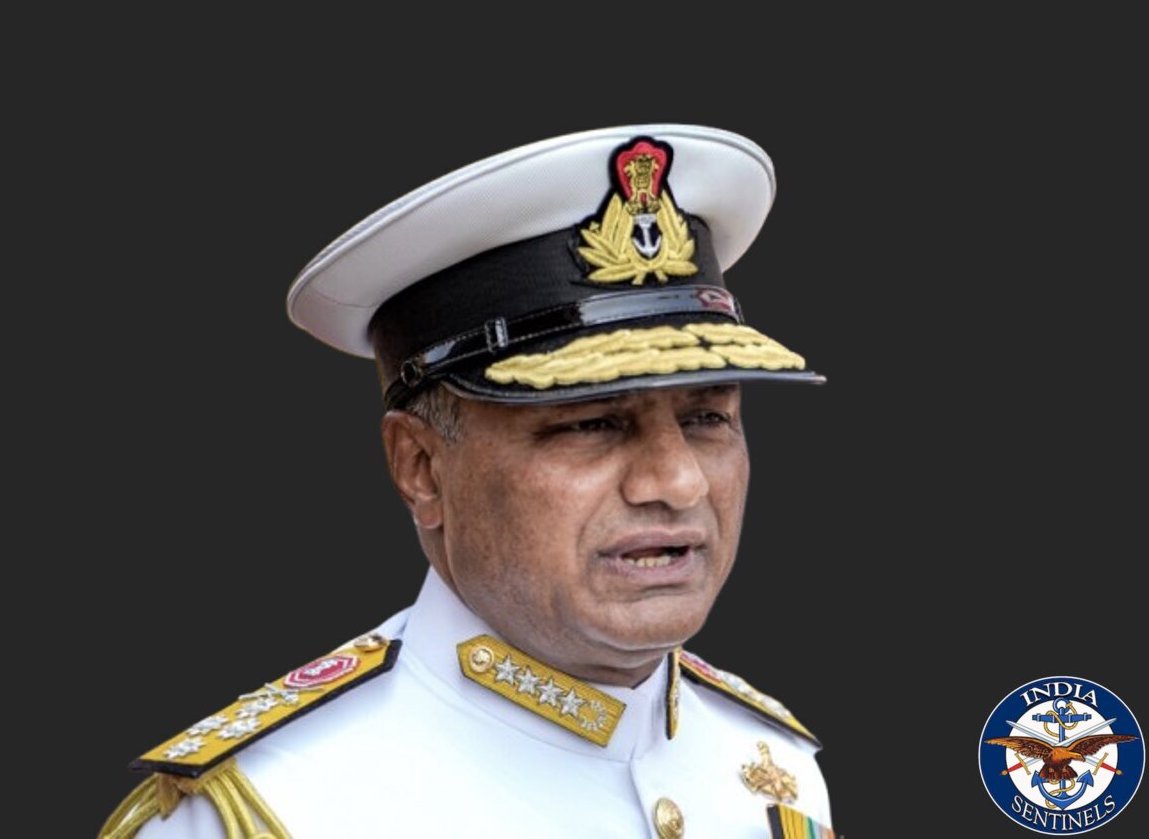
 Admiral Krishna Swaminathan.
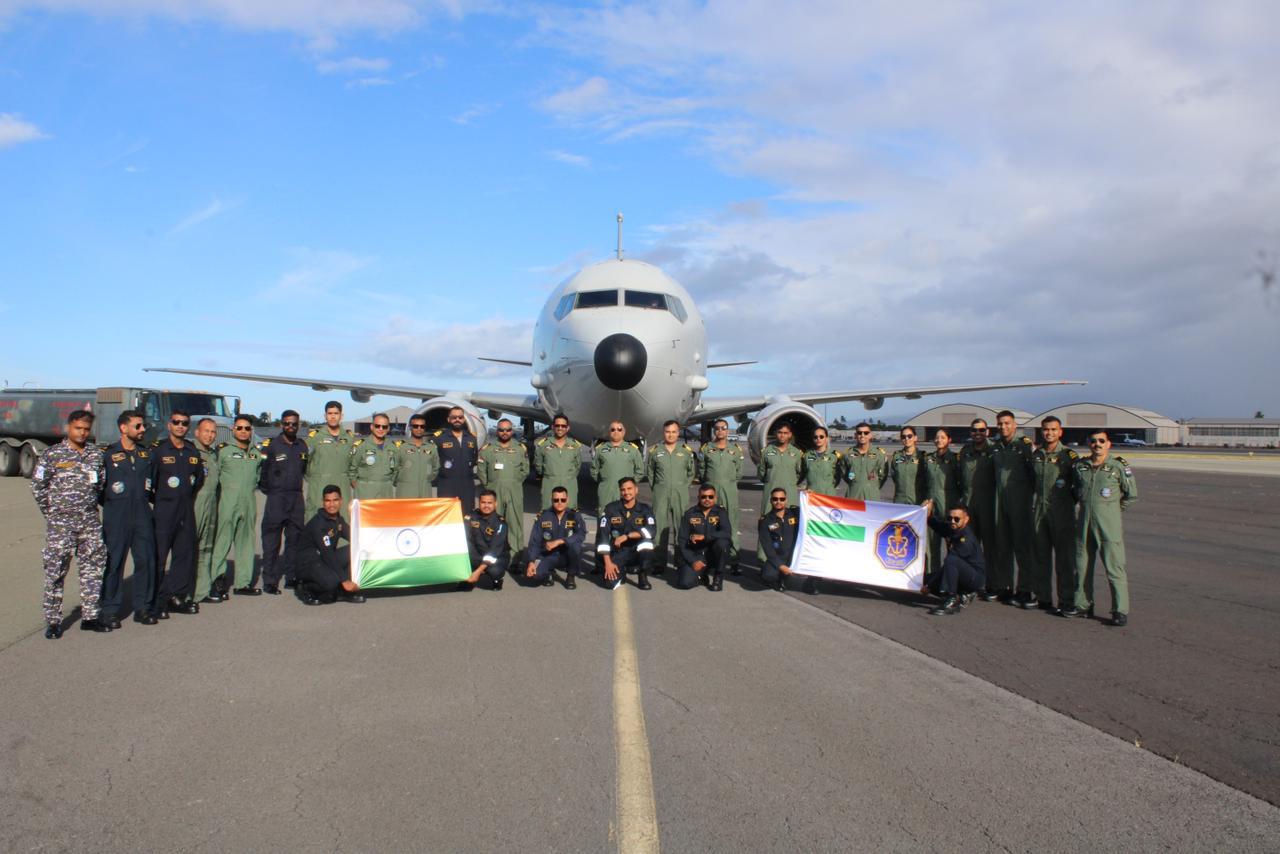
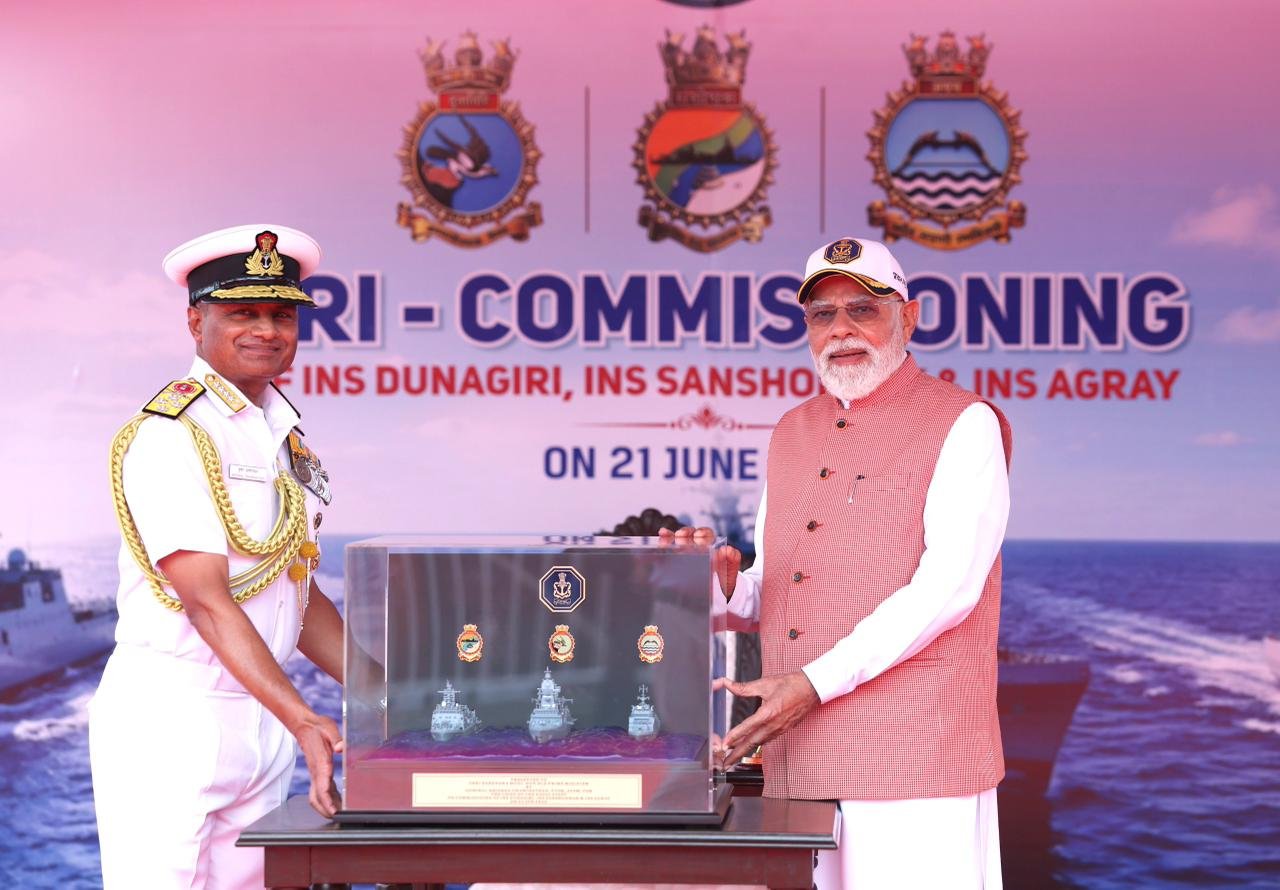
New Delhi: Admiral Krishna Swaminathan took command on Sunday as the 27th chief of the naval staff. He now steps into the role at a time when the service is pushing hard on modernization and facing intensifying strategic competition across the Indo-Pacific. He takes over from Admiral Dinesh Kumar Tripathi, whose tenure ended with his retirement. The handover was marked by a formal ceremony in New Delhi.
Adm Swaminathan is a 38-year Navy veteran who was commissioned on July 1, 1987, with a specialization in communication and electronic warfare. His career at sea has spanned an exceptionally broad range of commands – missile boats, a corvette, a destroyer, and ultimately the aircraft carrier INS Vikramaditya, which was the Navy's flagship until INS Vikrant was commissioned in 2022.
Also read: Gen Subramani takes charge as new CDS, inherits unfinished revolution
An alumnus of the National Defence Academy, Adm Swaminathan also attended the Joint Services Command and Staff College in the United Kingdom, the College of Naval Warfare, and the United States Naval War College. Before leading the Western Naval Command, he served as vice-chief of the naval staff and chief of personnel.
Immediately before his promotion, Adm Swaminathan headed the Western Naval Command as flag officer commanding in chief (FOC-in-C) – the Navy’s most operationally critical formation, responsible for India’s maritime frontier along the Arabian Sea and the sea lanes that carry a substantial share of the country’s trade and energy imports.
Soon after taking charge, Adm Swaminathan signalled continuity with his predecessor’s operational priorities. “I will devote every single day of my life to make the Navy a better, stronger, sharper, and more impactful service,” he said.
Read also: Who is Vice Admiral Krishna Swaminathan?
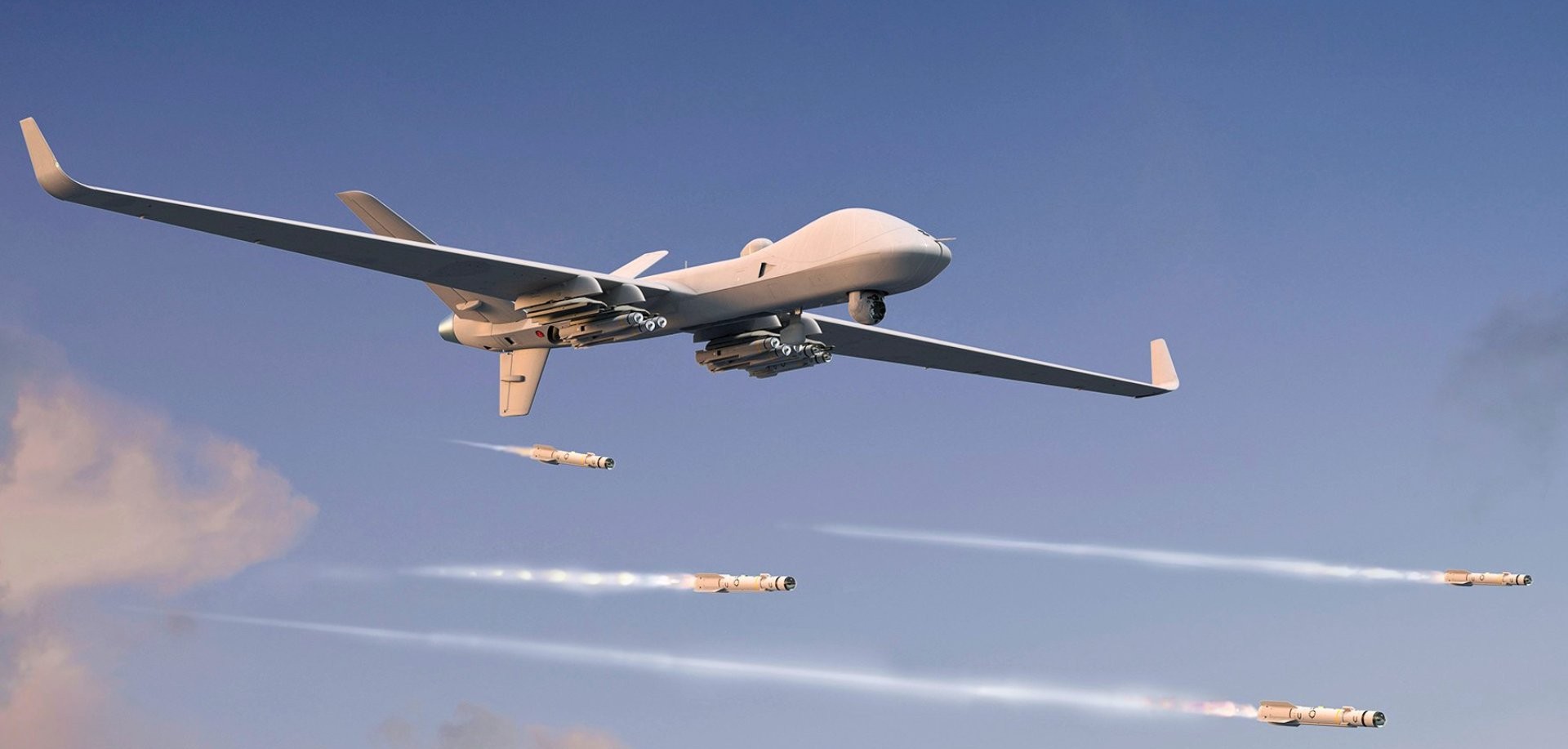
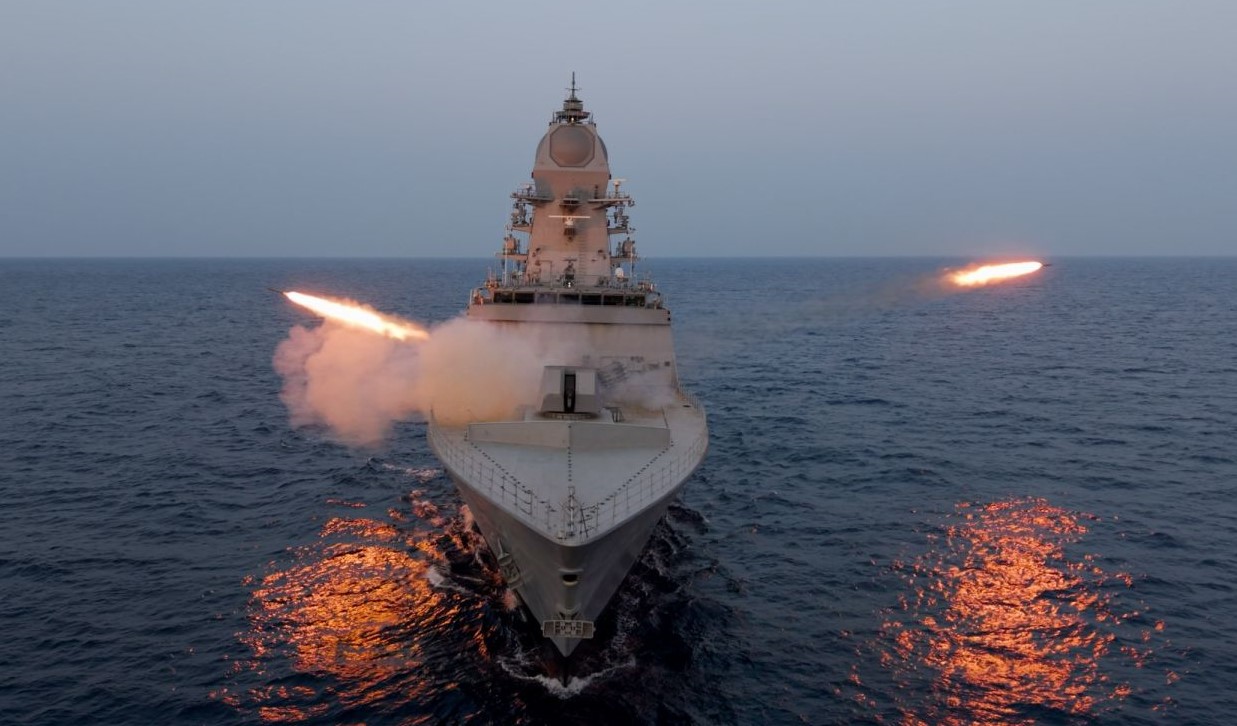
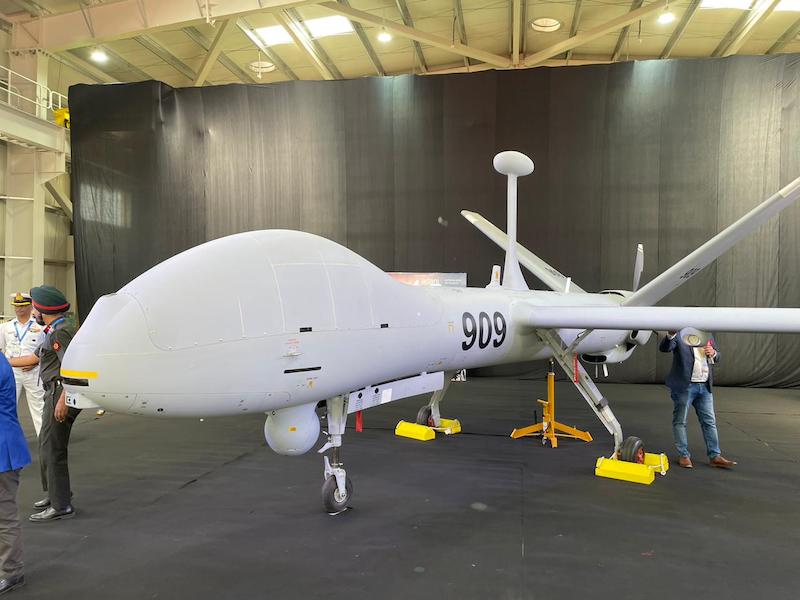
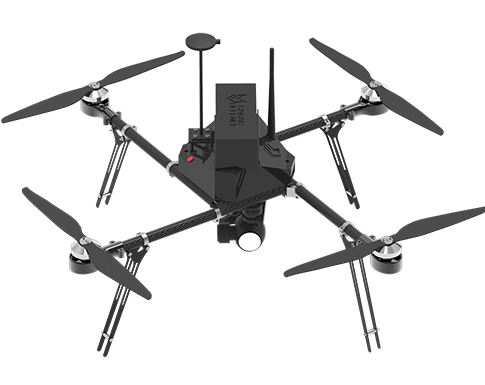
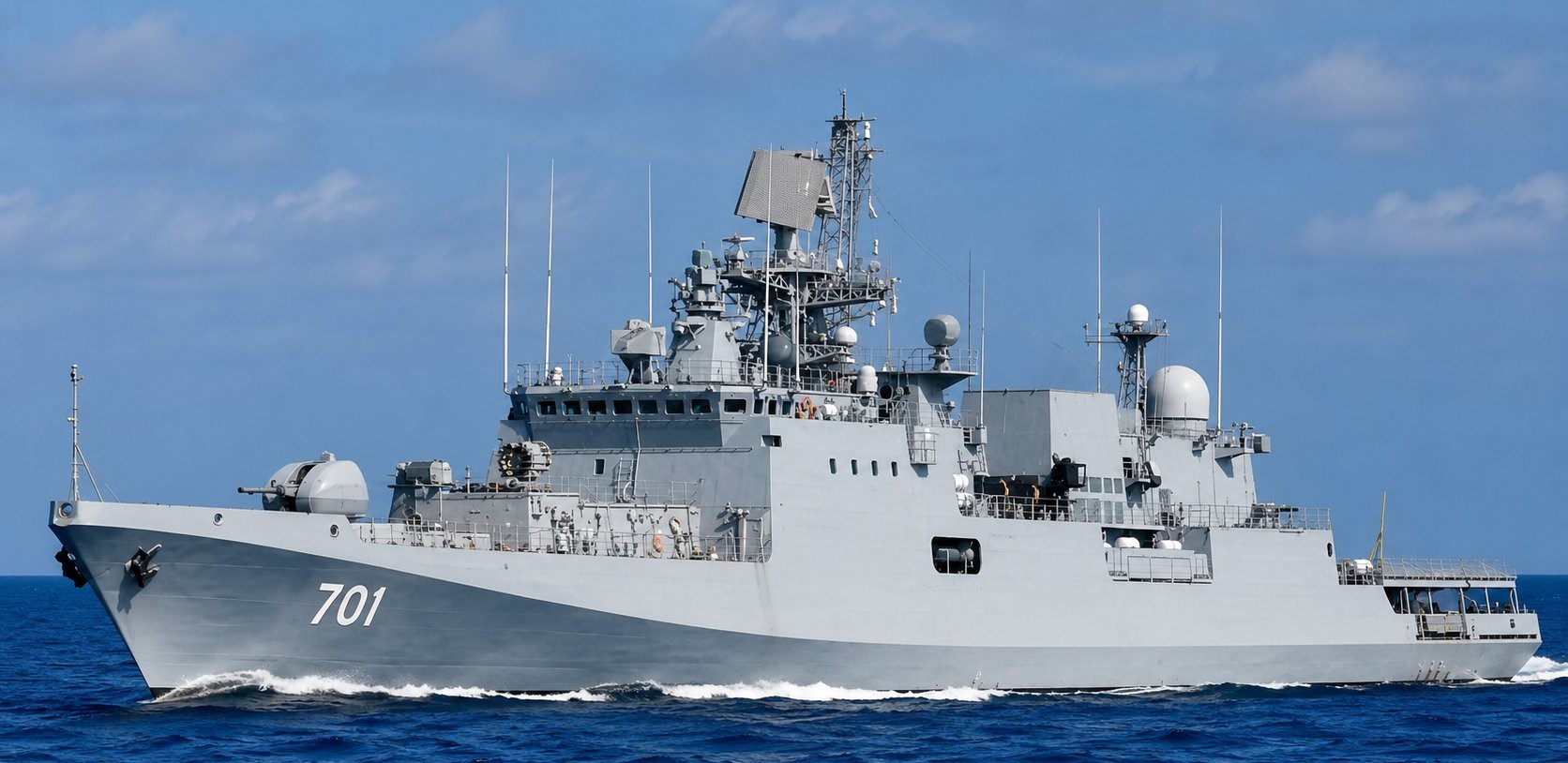
The statement carries weight given the range of challenges the Navy is currently navigating. The service is in the midst of an ambitious expansion of its surface and subsurface fleet, with several indigenous warship construction programmes under way under the government’s Make in India defence initiative. A submarine acquisition project to replace the ageing fleet is also in progress, alongside the integration of unmanned aerial and underwater systems into operational use.
The strategic backdrop adds urgency to these efforts. China’s growing naval presence in the Indian Ocean – through port investments along the littoral, periodic submarine deployments, and deepening diplomatic ties with coastal states – has sharpened India’s focus on maintaining maritime dominance in its near-neighbourhood. The Navy has responded by stepping up participation in multilateral exercises and deepening defence partnerships with the United States, France, Australia, and Japan under the Quad framework.
The tenure Adm Krishna Swaminathan inherits also carries the experience of recent operational demands. His predecessor oversaw the Navy’s response to the sharp rise in Houthi attacks on commercial shipping in the Red Sea in 2024, during which Indian warships were deployed to protect vessels transiting the Arabian Sea – a mission that drew considerable international attention and underscored India’s role as a net security provider in the wider Indo-Pacific.
Follow us on social media for quick updates, new photos, videos, and more.
X: https://x.com/indiasentinels
Facebook: https://facebook.com/indiasentinels
Instagram: https://instagram.com/indiasentinels
YouTube: https://youtube.com/indiasentinels
© India Sentinels 2026-27