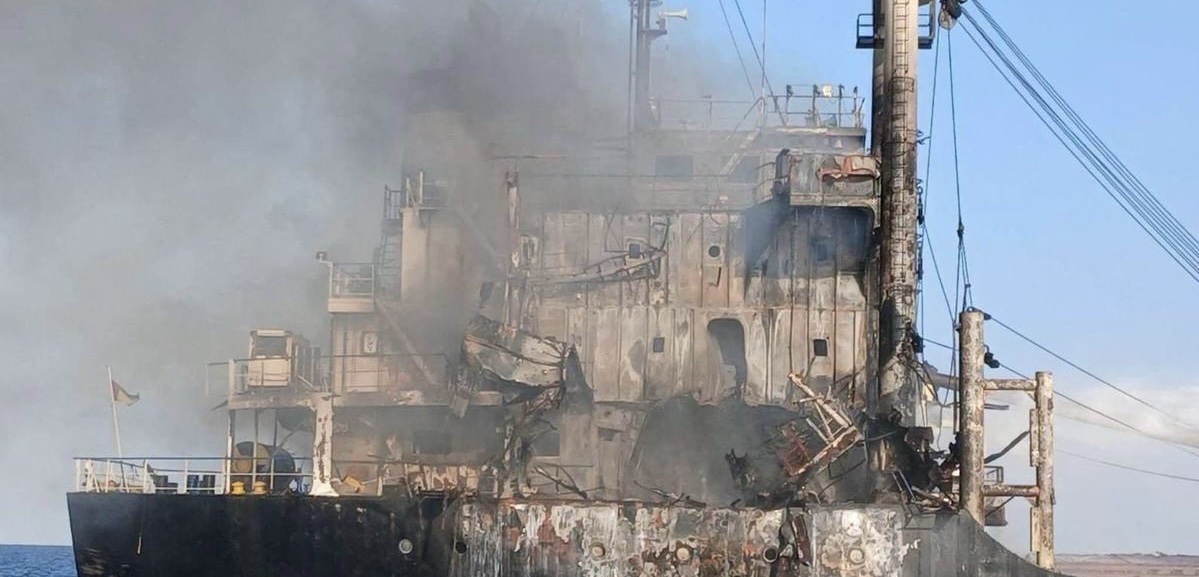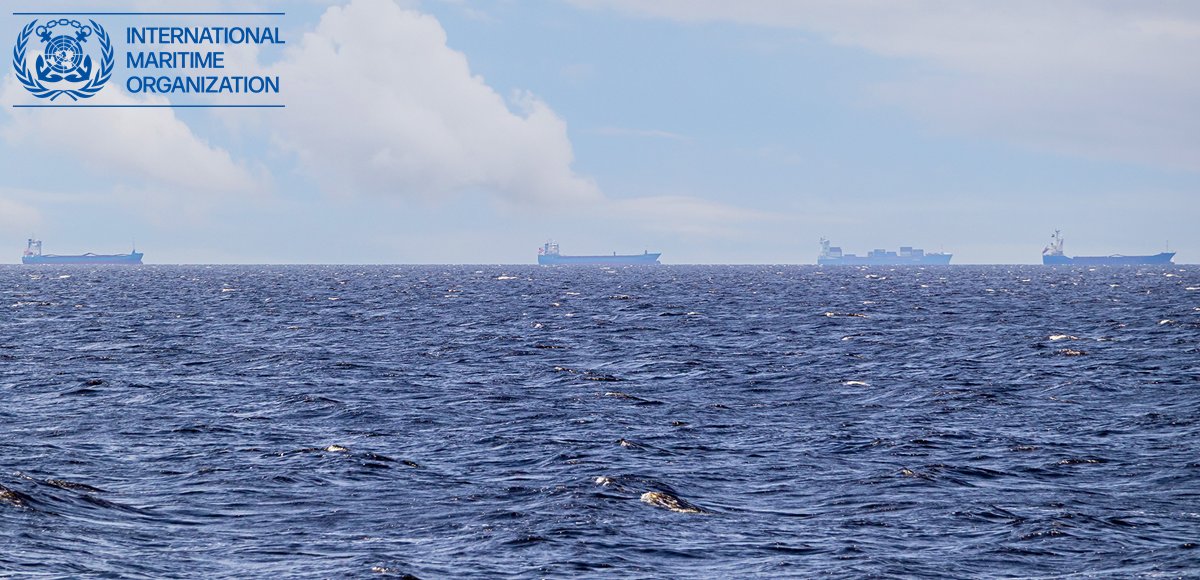
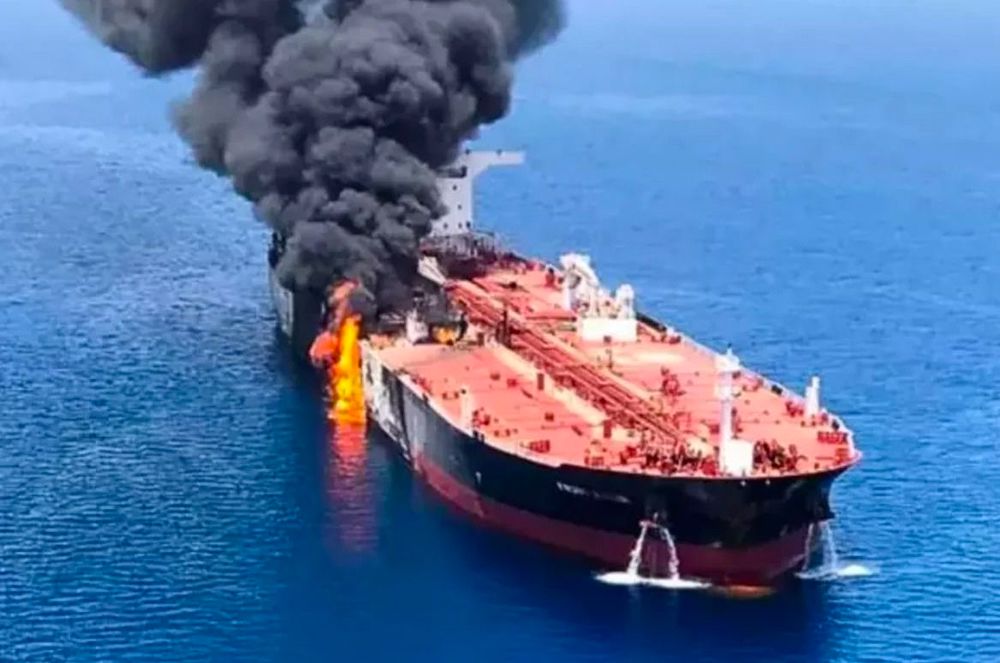
 This Malta-flagged chemical/oil-products tanker named “Prima” is seen burning after being hit by Iran’s IRGC in the Strait of Hormuz, on March 7, 2026. (Photo via X)
New Delhi: Israeli airstrikes have struck Tehran’s main domestic airport, nuclear enrichment facilities and military installations across Iran, while Iranian ballistic missile salvoes have hit parts of the Tel Aviv area in retaliation. Confirmed civilian deaths in the war has continued to rise and the Strait of Hormuz remained in disruption on Saturday.
A war that neither side has formally declared is now reshaping energy markets and supply chains across Asia, with India facing its first LPG price rise in a year.
Military developments
Israeli warplanes have struck Mehrabad International Airport in Tehran, Iran’s principal domestic aviation hub, triggering fires, multiple explosions and thick smoke plumes visible across the city. Geolocated video footage posted by Tehran residents and independently analysed by open-source intelligence (OSINT) monitors on social media confirmed direct damage to airport infrastructure. The strikes were reported by Al Jazeera and Iran’s state-linked Mehr News Agency.
Iran responded with fresh waves of ballistic missiles targeting Israel. Regional OSINT analysts and Al Jazeera correspondents noted that Israel’s layered air-defence systems intercepted the majority of incoming projectiles, though limited impacts and debris were reported in the Tel Aviv area. Israeli authorities claimed near-total interception; those claims have been only partially corroborated by independent regional analysts.
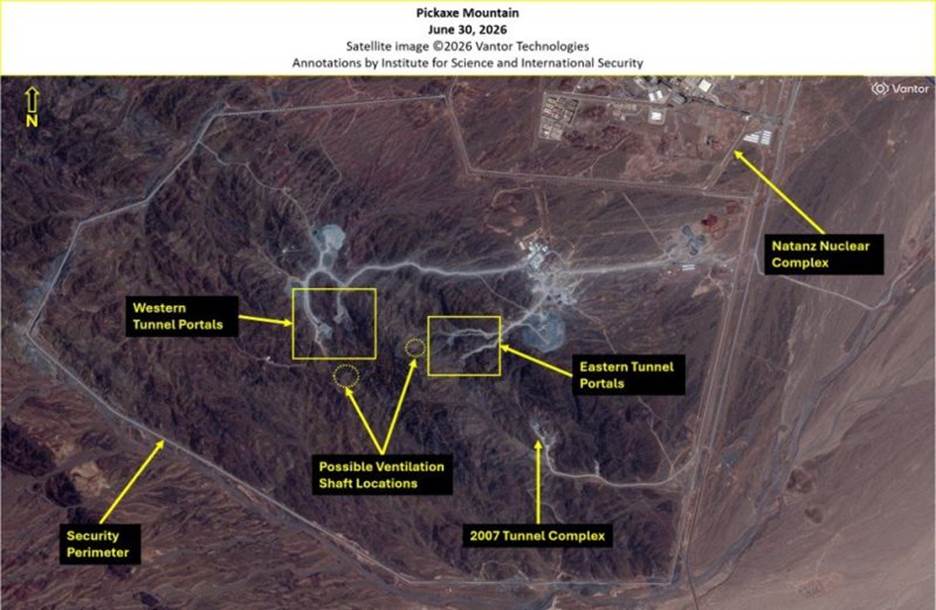
Commercial satellite imagery analysed by OSINT researchers has confirmed visible above-ground damage at the Natanz uranium enrichment facility – Iran’s most significant nuclear site – as well as at military installations near Tabriz and Isfahan. The scale of damage to Natanz’s underground centrifuge halls remains unclear, though analysts say even surface strikes risk disrupting enrichment operations, cooling systems and electrical infrastructure critical to the facility.
Natanz is the centrepiece of Iran’s enrichment programme and has been targeted before – most notably in the Stuxnet cyberattack attributed to the United States and Israel in the early 2010s, and in a sabotage operation in April 2021. Its renewed targeting marks a significant escalation.
Casualties
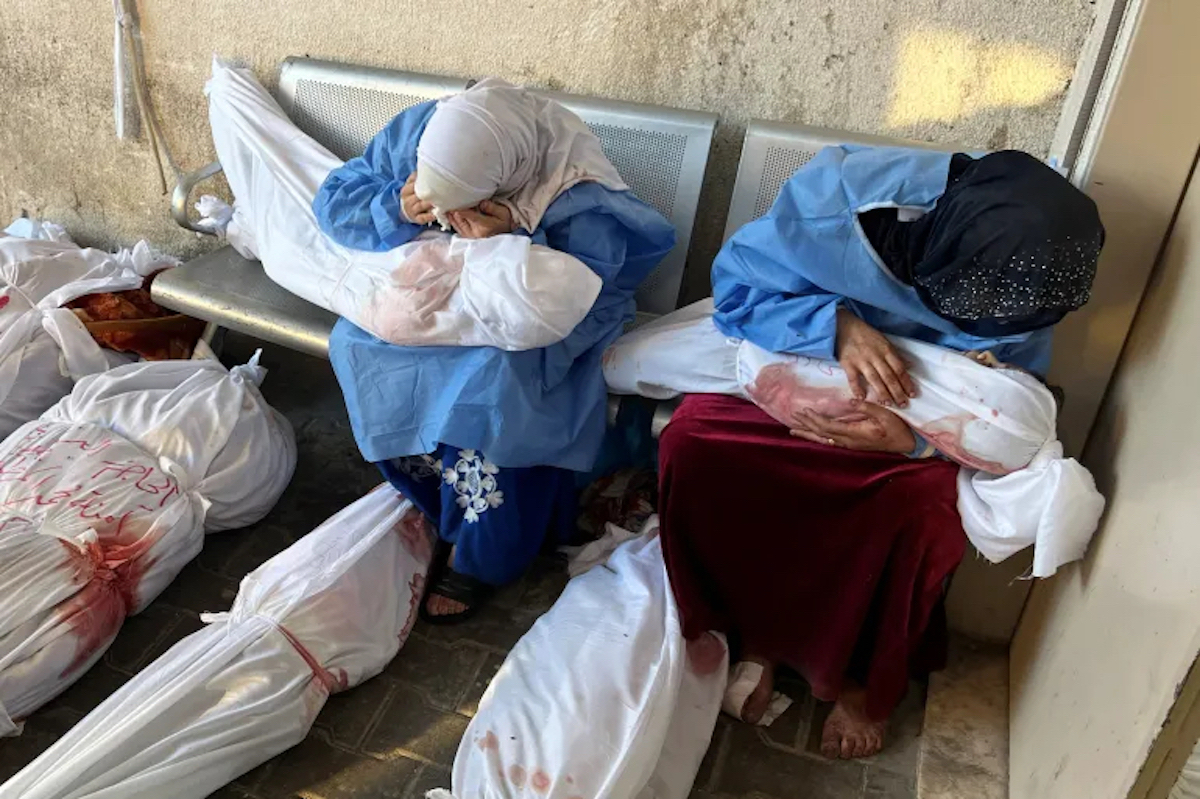
Casualty figures remain contested and difficult to verify independently, though the gap between Iranian and Israeli accounts is wide. Iranian sources, corroborated by HRANA – a human rights monitor that has operated inside Iran for over a decade – and reported by Al Jazeera, put cumulative civilian deaths at between 1,000 and 1,300. The toll includes victims of strikes on civilian infrastructure, among them schools and hospitals.
On-ground footage and accounts from local OSINT correspondents in the region indicate additional deaths among first responders and rescue workers.
Meanwhile, Israeli-side tallies, cross-checked against independent regional analysis, place the number of deaths from Iranian missile strikes at between 10 and 28. The disparity in figures reflects both the asymmetry of the strikes and the difficulty of independent verification in an active conflict zone.
International humanitarian organizations have urged immediate access for aid workers and called for protection of civilian infrastructure under international law. No such access has been granted.
Regional ripple effects
The conflict is producing secondary effects across the broader region. Credible reports and verified footage from Middle East-based analysts describe interceptions of projectiles over the Gulf and responses from Iran-backed militia networks in Iraq, Syria and Yemen. Limited activity was also reported in airspace near the United Arab Emirates, though no large-scale new casualties have been independently confirmed beyond the main theatre of conflict.
The Strait of Hormuz – the narrow waterway through which roughly 20 per cent of the world’s crude oil and liquefied natural gas (LNG) passes – has seen significant disruption. OSINT and trade monitors report halted cargo movements and force majeure declarations by Gulf exporters, signalling that suppliers are formally invoking circumstances beyond their control to suspend contractual obligations.
Energy prices and India
Global oil markets have responded sharply. Brent crude rose in Asian trading sessions as supply fears mounted following infrastructure attacks and the Hormuz disruptions. Freight rates for oil tankers on Asia-bound routes spiked significantly, adding to import costs for price-sensitive buyers across the region.
India, which sources approximately 85 to 90 per cent of its LPG imports from the Middle East, is confronting the most direct economic consequences of the conflict among major Asian economies. State-run refiners – Indian Oil Corporation (IOCL), Bharat Petroleum (BPCL) and Hindustan Petroleum (HPCL) – have raised domestic LPG prices for the first time in roughly a year. In Delhi, the price of a standard 14.2kg household cooking gas cylinder has risen by approximately ₹60, or around 7 per cent, to ₹913. Commercial 19kg cylinders have also been revised upward.
The government has invoked emergency regulatory powers, directing the three state refiners to maximize domestic LPG output and maintain close monitoring of stock levels to avert shortages. Officials have also signalled that India is drawing on strategic petroleum reserves and exploring alternative supply routes, including enhanced purchases from Russia and the possibility of US waivers to ease procurement from non-sanctioned sources.
No widespread fuel shortages have been reported so far, but economists and energy analysts warn that a prolonged conflict will push up import bills, add pressure to retail inflation and complicate the Reserve Bank of India’s rate trajectory in the months ahead. India’s economy, which remains heavily dependent on imported crude, is more exposed to Middle East supply shocks than most G20 nations.
Note: Military and casualty information in this report draws on Al Jazeera coverage (including Iranian sources and on-ground correspondents), Mehr News Agency and Tasnim (Iranian state-linked outlets), HRANA (Iran Human Rights Activists News Agency), and satellite imagery from commercial providers including Planet Labs, independently analysed by regional OSINT monitors. Israeli-side claims have been included only where corroborated by regional OSINT analysis or multiple independent outlets. Energy and trade data is sourced from various Indian mainstream media reports and market-tracking services. The situation remains fluid and all figures, particularly casualty counts, are subject to revision.
Follow us on social media for quick updates, new photos, videos, and more.
X: https://x.com/indiasentinels
Facebook: https://facebook.com/indiasentinels
Instagram: https://instagram.com/indiasentinels
YouTube: https://youtube.com/indiasentinels
© India Sentinels 2026-27