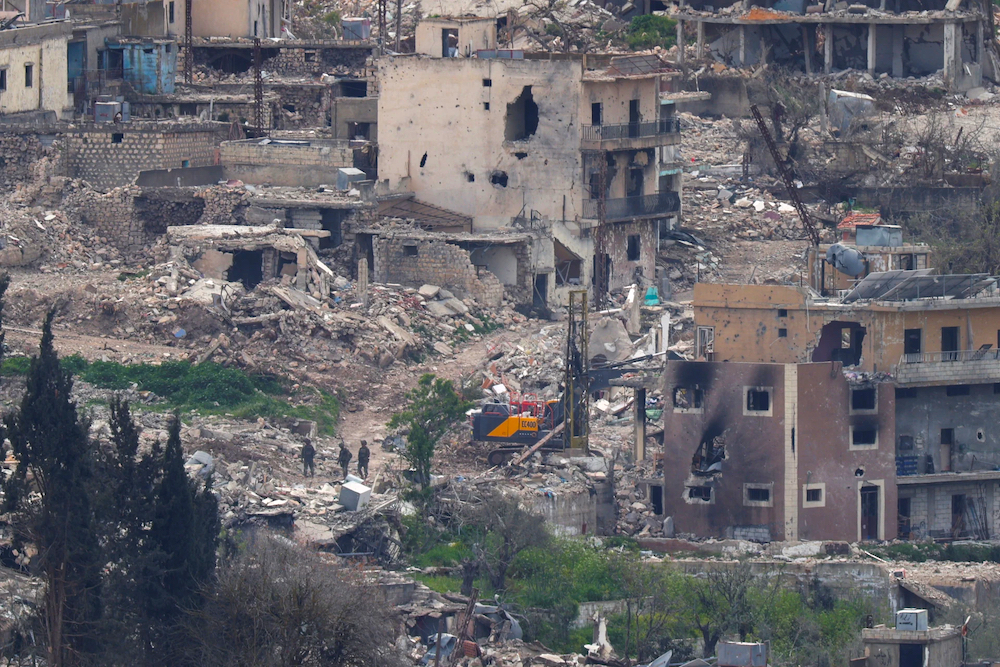
 Israeli troops at a destroyed south Lebanon village during the current IDF-Hezbollah fighting. (Photo via Facebook)
New Delhi: The United States president, Donald Trump, announced on Thursday that Israel and Lebanon have agreed to a 10-day ceasefire beginning at 5pm EST (3.30am IST on Friday). The announcement, made via his Truth Social platform, came as Pakistan pressed ahead with intensive diplomatic efforts to convene a second round of US-Iran peace talks in Islamabad – likely before the current two-week Iran-US ceasefire expires on April 22.
Trump said he had spoken with both the president of Lebanon, Joseph Aoun, and the prime minister of Israel, Benjamin Netanyahu, before making the announcement. “Both sides want to see PEACE, and I believe that will happen, quickly!” he wrote. He also invited both leaders to the White House for further talks, though it was not clear if either had accepted.
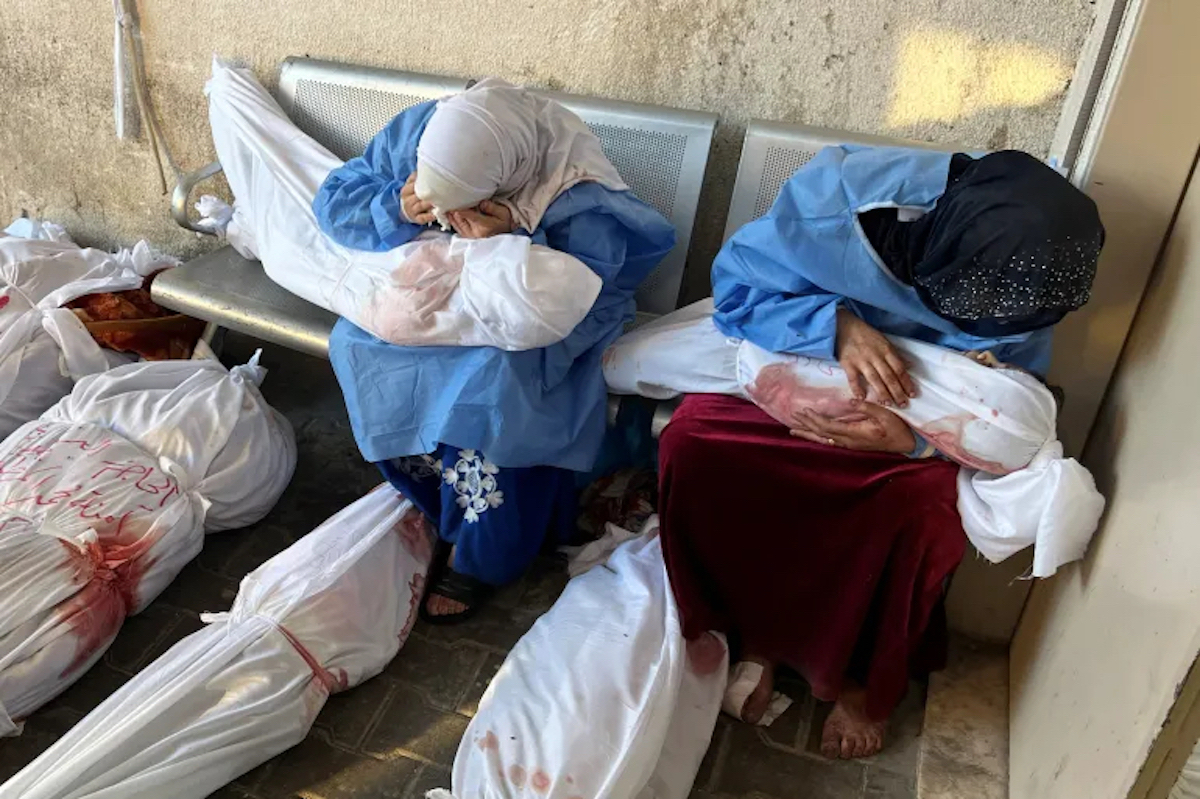
Speaking to reporters at the White House, Trump confirmed that Lebanon’s ceasefire includes Hezbollah, the Iran-backed militia that has been fighting the Israeli defence forces (IDF) across south Lebanon for over six weeks. More than 2,167 people have been killed and over 7,000 injured in Lebanon during the conflict, with over a million displaced.
Hezbollah cautious
Hezbollah, which holds a critical stake in the ceasefire, said it would abide by the agreement if Israeli attacks ceased. A leading Hezbollah legislator, Ibrahim Moussawi, told CNN: “As long as the Israeli occupation forces stop their aggression and not violate it, we will commit ourselves to the ceasefire.” He added that the truce should cover all Lebanese territory and include a restraint on Israeli troop movement.
Another Hezbollah lawmaker, Ali Fayyad, told Al Jazeera the group would approach the ceasefire with caution and warned that any targeting of Lebanese sites by Israeli forces would constitute a breach of the truce. Fayyad credited Pakistan and Saudi Arabia with the diplomatic groundwork that led to the announcement.
Separately, Hezbollah stated that the ceasefire must include a full halt to attacks across Lebanese territory, no freedom of movement for Israeli forces, and a return to the situation that prevailed before March 2 – the date when Hezbollah launched rockets and drones into Israel in retaliation for the killing of Iran’s supreme leader, Ayatollah Ali Khamenei. Hezbollah also opposed direct Lebanon-Israel negotiations, calling them pointless.
Israel has demanded that the Lebanese government disarm Hezbollah, a demand the group rejects as long as Israeli forces remain on Lebanese soil. This fundamental disagreement is likely to shape the terms of any lasting peace arrangement.
Lebanon welcomes ceasefire
Lebanon’s prime minister, Nawaf Salam, welcomed Trump’s ceasefire announcement, saying his country had sought a halt to hostilities since the start of the war. He offered condolences to victims and thanked the United States, France, the European Union, Saudi Arabia, Egypt, Qatar, and Jordan for their efforts.
Earlier this week, Lebanese and Israeli diplomats met in Washington – the first direct talks between the two countries since 1993 – with US secretary of state Marco Rubio participating. Both sides issued a joint statement agreeing to launch direct negotiations. Lebanon’s ambassador to the US said the date and venue for the next direct meeting would be announced in due course, calling Tuesday’s session constructive.
The wider war
The Lebanon ceasefire comes against the backdrop of a broader US-Israeli war against Iran, now in its seventh week, that has killed more than 4,000 people across the region – the overwhelming majority in Iran and Lebanon. A separate US-Iran ceasefire, brokered by Pakistan on April 7 and valid for two weeks, is due to expire on April 22.
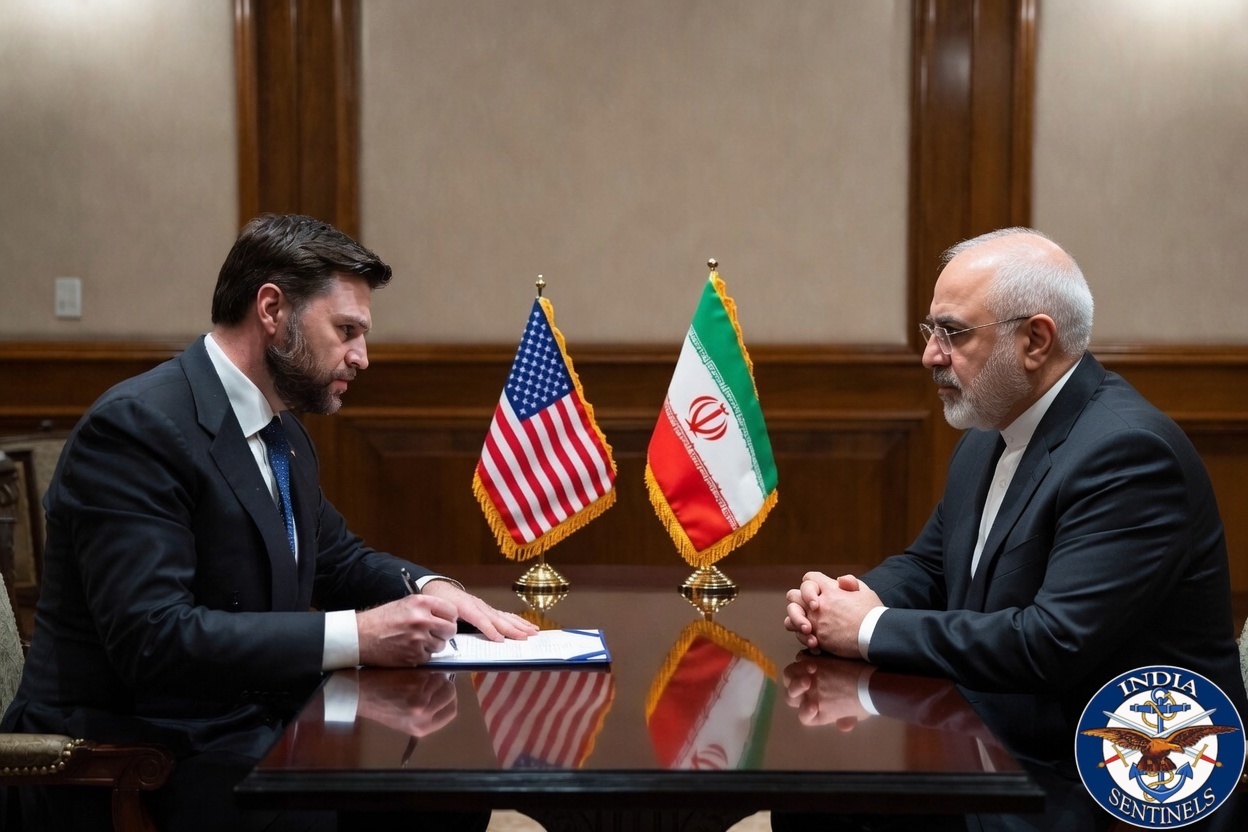
The first round of US-Iran peace talks, held in Islamabad on April 11–12, ended without an agreement after more than 20 hours of negotiations. The US delegation was led by the country’s vice-president, JD Vance, while Iran was represented by its parliament speaker, Mohammad Bagher Ghalibaf. The two sides clashed over Iran’s nuclear programme, with the US and Israel demanding a complete and lasting ban on uranium enrichment.
Vance said Iran had chosen not to accept Washington’s terms. Ghalibaf said the US had failed to gain Iran’s trust.
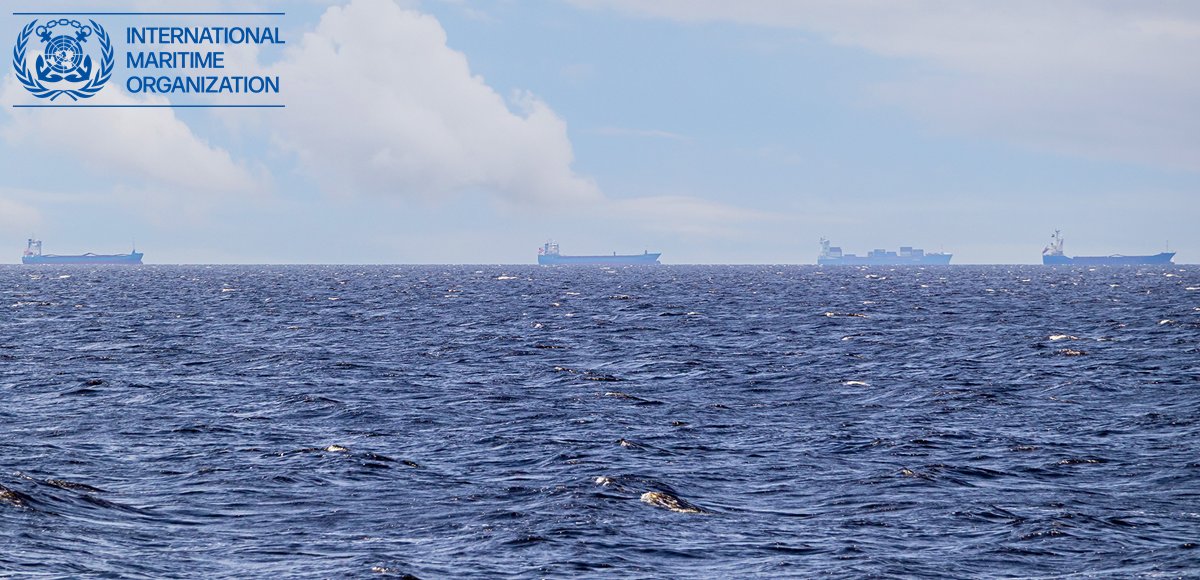
Following the collapse of the first round, Trump announced a naval blockade of the Strait of Hormuz, through which roughly 20 per cent of the world’s oil normally passes. US Central Command said the blockade was enforced from the Gulf of Oman, with more than 10,000 US service personnel, over a dozen warships, and dozens of aircraft deployed. By Wednesday, the US military said it had turned back 13 ships. Iran’s military warned it would retaliate by blocking trade through the Red Sea, the Gulf, and the Sea of Oman if the blockade continued.
The nuclear sticking point
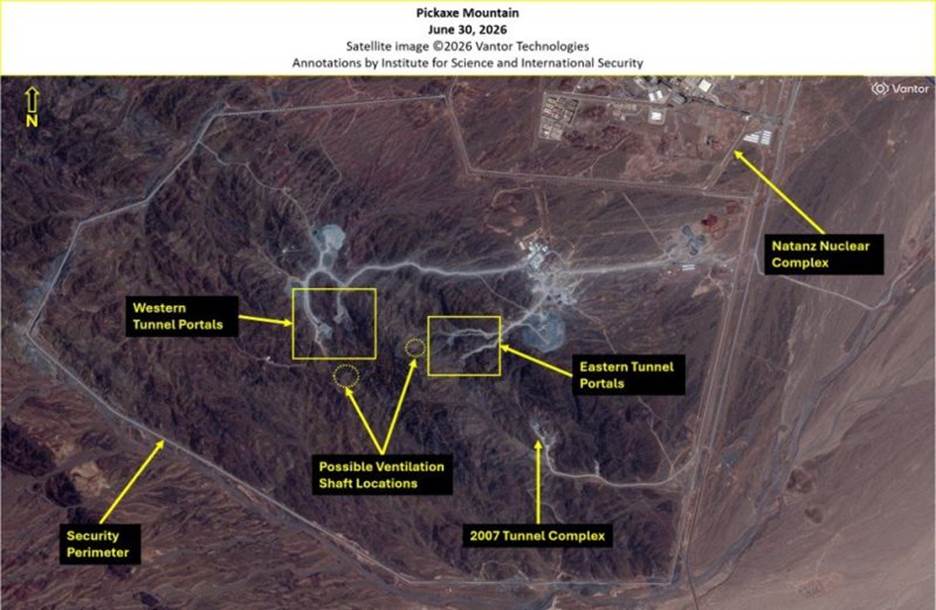
The thorniest issue in the talks remains Iran’s nuclear programme. The US and Israel are pushing for complete restrictions on uranium enrichment, claiming Iran is working to build a nuclear weapon – an assertion for which no public evidence has been provided. As recently as March 2025, US director of national intelligence Tulsi Gabbard testified to Congress that the US continued to assess that Iran was not building a nuclear weapon.
Iran maintains its enrichment programme is civilian in nature. It is a signatory to the 1970 Treaty on the Non-Proliferation of Nuclear Weapons and had, under the 2015 Joint Comprehensive Plan of Action (JCPOA), agreed to cap enrichment at 3.67 per cent under international inspection. The Trump administration abandoned that agreement during its first term.
Sources close to the current mediation effort say the two sides are debating a freeze of between five and 20 years, and are also negotiating the fate of Iran’s estimated 440 kilograms of highly enriched uranium – with options including transferring the stockpile to a third country.
Pakistan’s diplomatic push for round two
Pakistan has emerged as the central mediator in the US-Iran conflict, and is now running a multi-pronged diplomatic effort to secure a second round of talks in Islamabad. On Wednesday, Pakistan’s army chief, Field Marshal Asim Munir, led a high-level delegation to Tehran, accompanied by the country’s interior minister, Mohsin Naqvi, carrying a fresh message from Washington to the Iranian leadership.
Munir was received by Iran’s foreign minister, Abbas Araghchi, who described Pakistan’s hosting of the dialogue as gracious and reaffirmed Tehran’s commitment to promoting peace and stability in the region. On Thursday, Munir also met Iran’s parliament speaker, Ghalibaf.
Pakistan’s sources told Al Jazeera that Pakistani mediators were expecting a major breakthrough on the nuclear front.
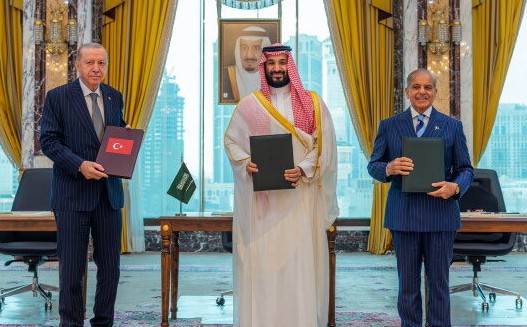
The diplomatic effort is notably two-track. While Munir engaged the Iranian leadership in Tehran, Pakistan’s prime minister, Shehbaz Sharif, travelled to Saudi Arabia as part of a four-day Gulf tour that also includes Qatar and Turkiye. The aim, according to Al Jazeera, is to neutralize opposition to a deal from regional detractors.
Sources close to the mediation said there were detractors in Tehran, Washington, and particularly in Israel, which – according to these sources – does not want a peace deal.
After his Tehran visit, Munir is also expected to travel to Washington as part of the ongoing shuttle diplomacy. The Us has formally acknowledged Pakistan as the sole mediator in the talks, with the White House press secretary, Karoline Leavitt, telling reporters that a second round would very likely be held in Islamabad. “We feel good about the prospects of a deal,” Leavitt said.
Trump’s own language has grown increasingly upbeat. He told the New York Post on Tuesday that talks could happen in the next two days and that Islamabad was the preferred location. He praised Munir personally, calling him fantastic. On Wednesday, Trump told Fox Business the war was very close to over.
However, Iran’s foreign ministry struck a more cautious note, with spokesperson Esmaeil Baqaei confirming that messages had continued to flow through Pakistan since the Islamabad talks collapsed, while stressing that Iran’s positions remained unchanged. The Iranian embassy in Islamabad told Reuters a new round of talks could come sometime later this week or earlier next week, but that nothing was finalized.
World reaction
The UN secretary general, Antonio Guterres, said it was highly probable that peace talks between the US and Iran would restart before the ceasefire expired. He cautioned that the complexity of the issues made a quick resolution unlikely and called for negotiations to continue alongside a sustained ceasefire.
Vance, who is expected to lead the US delegation again if a second round materializes, told a Turning Point USA event in Georgia that he felt very good about where things stood. He indicated that the Iranian negotiators in Islamabad had wanted to make a deal and had moved toward the US position, but not far enough.
“He doesn’t want to make a small deal. He wants to make the grand bargain,” Vance said of Trump, describing the trade on offer as Iran giving up nuclear weapons and state sponsorship of terrorism in exchange for full integration into the global economy.
Iran’s foreign minister, Araghchi, had described the collapse of the first round differently, saying Tehran’s team was met with maximalism, shifting goalposts, and a blockade when it arrived within inches of an agreement. Iran’s interior minister, Eskandar Momeni, warned that any attempts at sanctions or a maritime blockade would lead nowhere.
European leaders have been largely supportive of diplomatic efforts but are increasingly uneasy with the scale of US military action. British prime minister Keir Starmer has expressed frustration with Trump’s approach, as Europe finds itself splintered from Washington over the Iran war. Global markets, meanwhile, have been closely tracking the diplomatic signals: stocks rose and oil prices fell when reports of a potential second round emerged, on Tuesday.
The International Monetary Fund has warned that the region’s economies, which grew 3.2 per cent in 2025, could recover in 2026 if energy production and transport were normalized within months. The naval blockade and threatened counter-blockades have already rattled global oil markets and shipping insurance rates.
What’s at stake
The Lebanon ceasefire, if it holds, could serve a larger strategic purpose beyond halting the fighting between Israel and Hezbollah. Tehran had repeatedly cited ongoing Israeli strikes in Lebanon as a condition-breaker for any broader US-Iran deal, arguing the attacks violated the spirit of the April 7 ceasefire. The Trump announcement now removes – at least temporarily – that obstacle.
The April 22 deadline concentrates minds on all sides. A failure to resume talks before the ceasefire expires risks reigniting the US-Iran conflict in earnest. Pakistan’s shuttle diplomacy – combining direct military-to-military outreach to Tehran and parallel political outreach to Gulf states – represents a significant test of Islamabad’s capacity and credibility as a neutral broker at a time when its own economy and regional standing stand to benefit considerably from a successful outcome.
A regional security analyst, Simbal Khan of the Asia Foundation, expressed scepticism that the Islamabad talks would translate into long-term peace, describing the current moment as the beginning of the end of this phase of war rather than a definitive resolution.