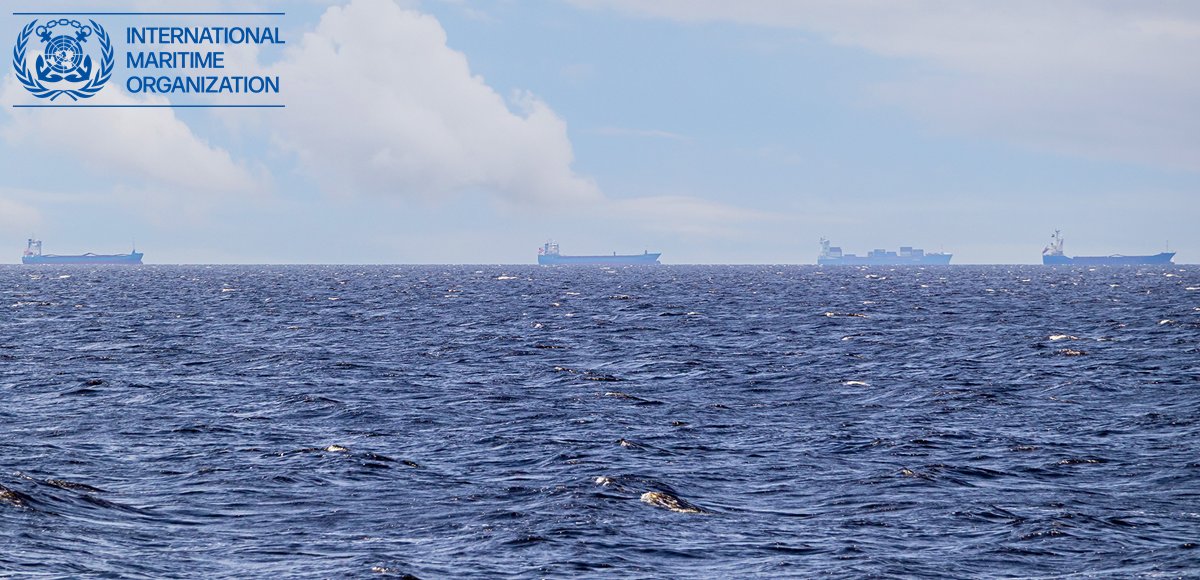
New Delhi: The International Maritime Organization has begun a large-scale evacuation of more than 11,000 sailors still stranded in the Persian Gulf, following the signing of a memorandum of understanding between the United States and Iran that ended nearly four months of conflict and effectively unblocked the Strait of Hormuz.
The IMO’s secretary-general, Arsenio Dominguez, announced the plan on June 24, confirming that the operation would be conducted in phases and in coordination with Iran, Oman, other coastal states, the US and the global shipping industry.
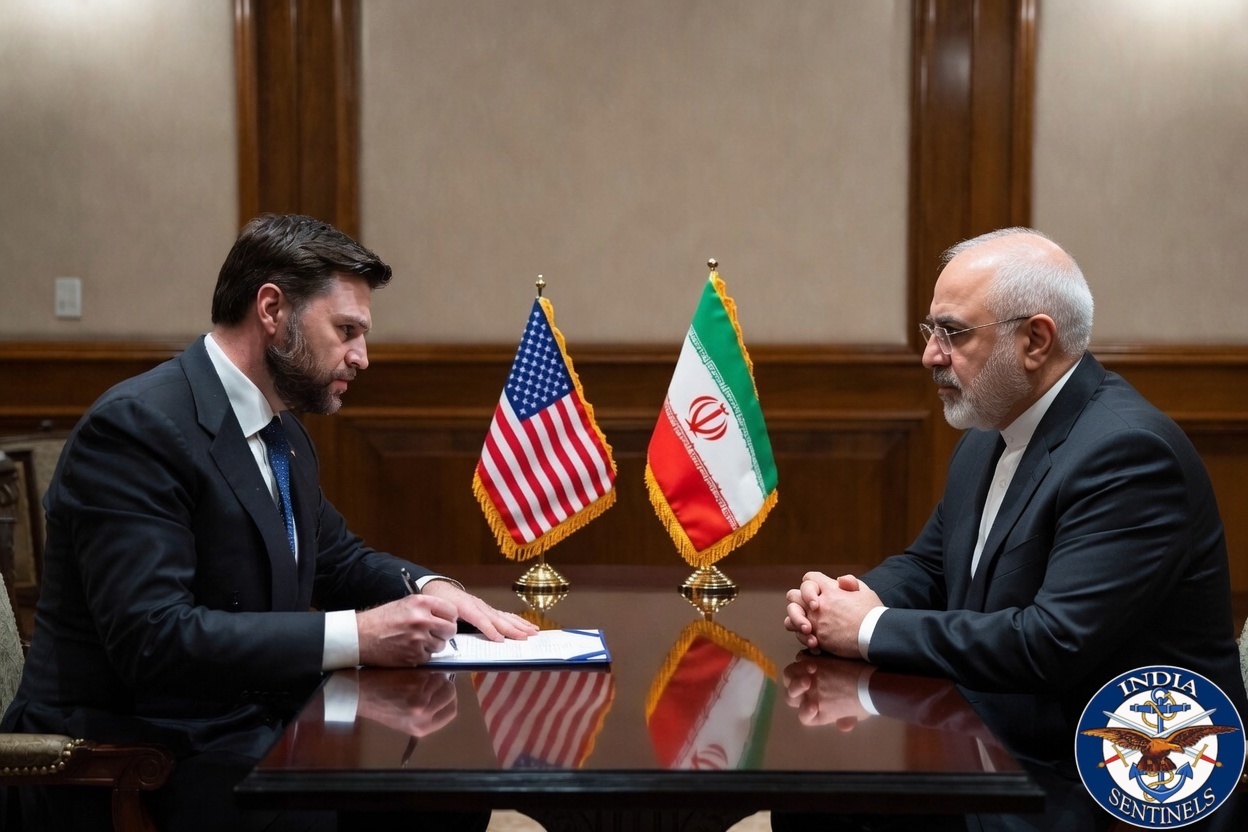
The evacuation follows the peace deal, a 14-point framework agreement signed on June 17 by US president Donald Trump and Iranian president Masoud Pezeshkian, which called for a 60-day ceasefire, the toll-free reopening of the Strait of Hormuz and the start of nuclear talks.
Fourteen seafarers lost their lives during the conflict. Dominguez said their contribution to global trade will not be forgotten.
After months of hardship and distress for thousands of innocent seafarers, and negative impact for the whole world, I welcome with deep satisfaction the peace agreement concluded between the United States and Iran.
-- Arsenio Dominguez, IMO secretary-general
The crisis began on February 28, 2026, when the US launched Operation Epic Fury, an air and maritime campaign targeting Iranian military infrastructure. Iran retaliated by closing the Strait of Hormuz, through which roughly 27 per cent of the world’s seaborne crude oil and petroleum products normally flow.
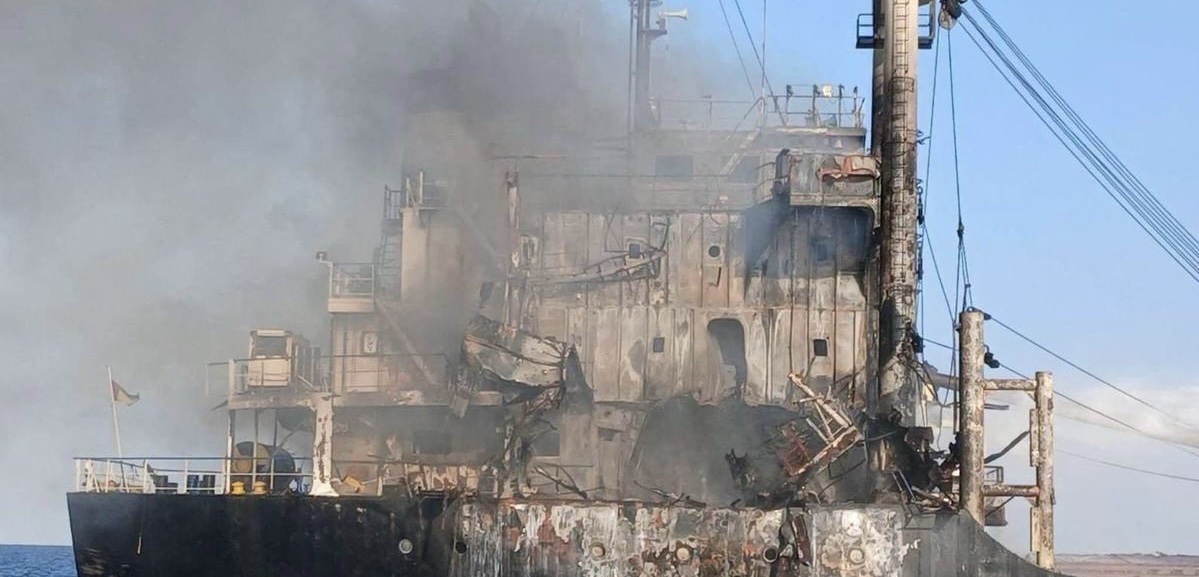
The IRGC boarded merchant vessels, laid sea mines and attacked ships attempting to transit the waterway, while the Houthi movement in Yemen simultaneously resumed attacks on Red Sea shipping, forcing further rerouting around Africa’s Cape of Good Hope.
At its peak, the closure trapped up to 20,000 seafarers on around 2,000 vessels inside the Gulf, with no clear way out. Commercial traffic through the strait fell by more than 90 per cent compared with pre-conflict levels of over 100 ships a day. Energy prices spiked, fertilizer shipments stalled and global supply chains were disrupted across Asia, Europe and beyond.
India’s stake
India has been among the worst-affected countries. As of June 16, thirteen Indian-flagged vessels carrying 325 seafarers remained stranded west of the strait.
At the height of the crisis, between 22 and 38 Indian-flagged ships or India-bound vessels were caught in the conflict zone. Only a handful managed to exit during brief lulls, including the LNG carrier Disha.
Shipping Corporation of India vessels carrying liquefied petroleum gas were among those permitted selective transit by Iran, which at various points allowed passage to ships from countries it deemed non-hostile.
For India, the disruption went beyond stranded crews. The country depends on Gulf oil for a large share of its energy imports, and the prolonged closure pushed up procurement costs, weakened the rupee and raised inflation risks.
Brent crude fell more than five per cent to around $82 a barrel after the peace deal was signed, though analysts cautioned that a full return to pre-war shipping volumes could take weeks or months, given ongoing mine clearance requirements, damaged infrastructure and a backlog of exports.
How the evacuation works?
The evacuation is not a free-for-all. Oman’s National Hydrographic Office has confirmed that two temporary maritime corridors through the strait are being made available – one along the northern, Iranian-controlled route and one through Omani waters in the south – as the normal traffic separation scheme is not safe for use at this time.
Ships will be divided into groups and contacted individually, each assigned a specific transit day by parties coordinating with the IMO. Vessels must then proceed to a designated waiting area in international waters before contacting the relevant coastal state to confirm conditions are safe to proceed.
Mine threats continue to complicate matters
The deal places primary responsibility for de-mining on Iran, with a 30-day target, but shipping groups have noted that no formal mine clearance campaign has yet begun. The UK Maritime Trade Operations confirmed it is supporting the IMO-coordinated process. Traffic management may also be temporarily suspended for deconfliction with naval forces still operating in the area.
Dominguez was direct about the risks that remain even as the evacuation begins, stating that the IMO has secured the necessary safety guarantees and thoroughly verified the conditions for safe navigation to support operations, while the IMO’s own guidance acknowledges that conditions in the strait are still volatile.