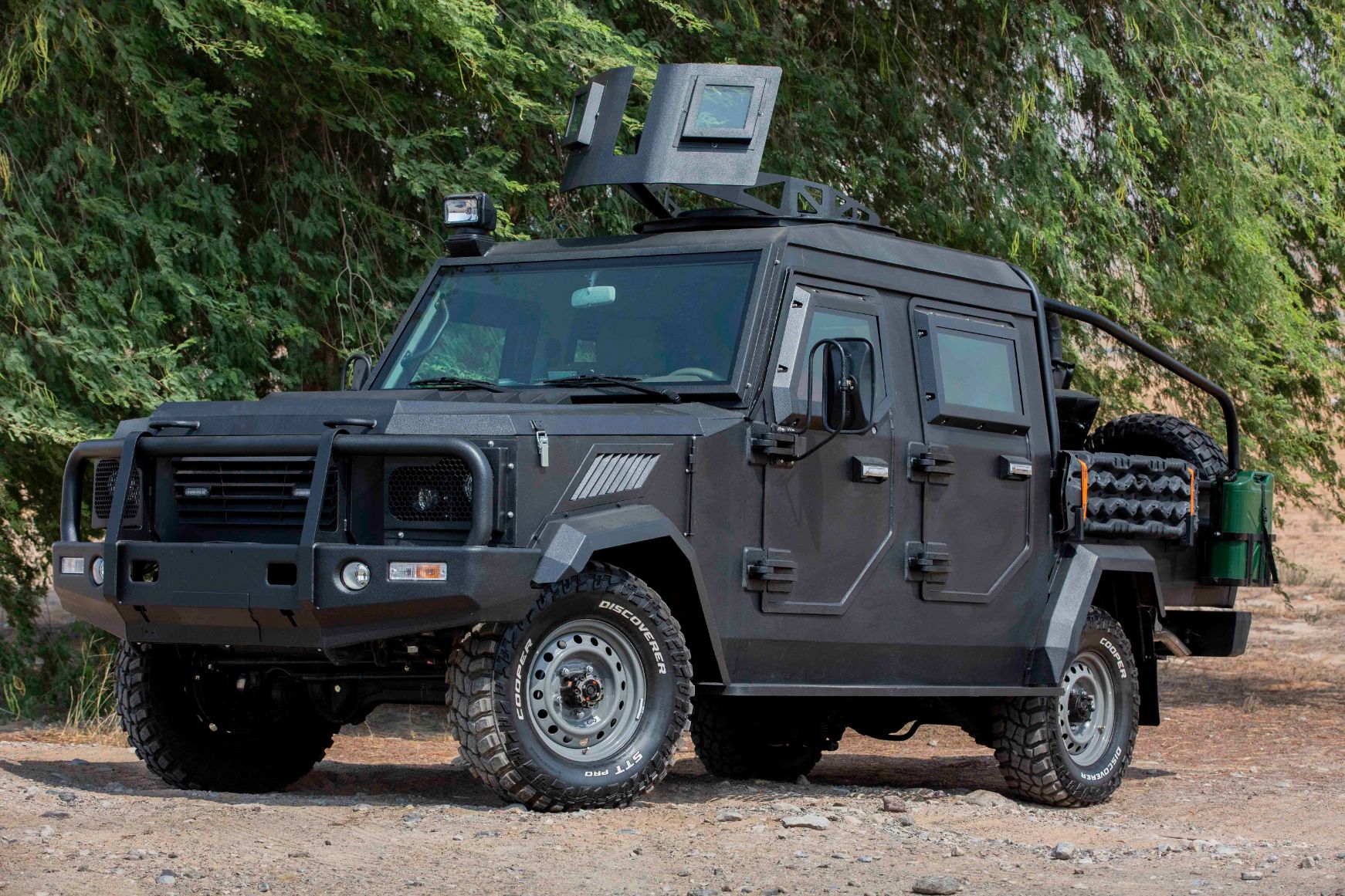
 A Mahindra armoured specialist vehicle for representational purpose. (Photo: X)
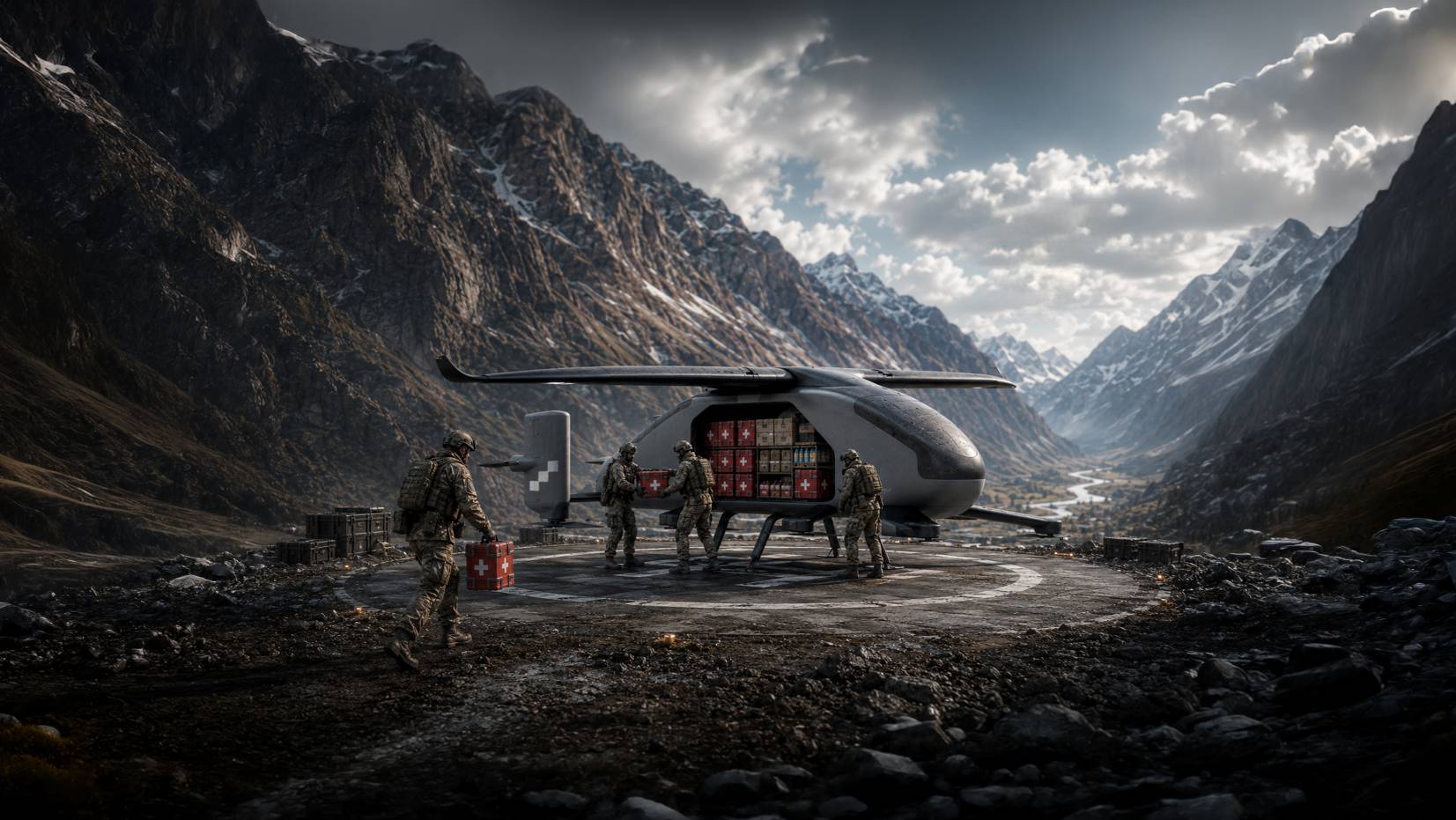
New Delhi: The Indian Army has issued a request for information (RFI) to domestic manufacturers for a mortar specialist vehicle (MSV) – a wheeled, crew-operated platform designed to automate fire-data computation for 81mm and 120mm mortar systems. The move is part of a wider push to modernize the Army’s infantry fire-support capabilities and improve both battlefield mobility and first-round accuracy.
Floated under the Defence Acquisition Procedure (DAP) 2020 framework, the RFI is a preliminary step toward a formal procurement programme. It signals the Army’s growing recognition that manually operated mortar systems, which depend heavily on crew skill and are vulnerable to computation errors, impose a structural disadvantage in fast-moving engagements – particularly at high altitudes along the northern frontier.
The Army’s case for the MSV is unambiguous. Manual fire-data computation delays engagement timelines and degrades hit probability, which ultimately wastes ammunition and exposing mortar detachments to counterbattery fire. A vehicle-mounted ballistic computer would eliminate these variables, shorten response cycles and enable “shoot and scoot” operations – the ability to fire and immediately displace before the adversary can retaliate.
Read also: Indian Army issues RFI for 159 BPTCs for J&K, Ladakh operations
The proposed vehicle would be crewed by two personnel. Firing data transmitted by forward observers and mortar fire controllers would feed into an onboard ballistic computer, which would automatically calculate and apply the correct elevation and azimuth settings. The RFI specifies an accuracy of zero to two mils in both axes, with a requirement to deploy and aim within 20 seconds and re-aim within five seconds of firing. The vehicle would carry approximately 54 rounds and be designed to accommodate future integration with larger-calibre mortar systems.
Mobility specifications are demanding by design. The MSV must achieve a minimum speed of 80 kilometres per hour on highways and 40 kilometres per hour on secondary roads, maintain a road range of 400 kilometres and a cross-country range of 250 kilometres. Crucially, the vehicle must be capable of operating at altitudes up to 17,000 feet above sea level and must function in temperatures ranging from –25°C to 50°C. This is a direct acknowledgment of the Army’s sustained deployment posture along the line of actual control (LAC) with China.
Technical requirements include selectable 4x2 and 4x4 drive modes, independent suspension, automatic transmission, run-flat tyres and a central tyre inflation system. Survivability specifications call for ballistic protection to STANAG Level 1 – the Nato standard that guards against small-arms fire and artillery splinters – as well as anti-drone cope cages.
Read also: Army to merge tanks, mechanized infantry under a single command
The inclusion of the latter reflects hard lessons from the Ukraine conflict, where the lethal effectiveness of commercial and military drones against exposed vehicles prompted near-universal adoption of such protection across frontline platforms. The MSV must also be fitted with military-grade touchscreen displays and be compatible with in-service communications equipment, including future software-defined radios.
The programme fits naturally into the Army’s broader trajectory of artillery and indirect fire modernization. In recent years, the force has inducted the M777 ultra-light howitzer, pressed ahead with the indigenously developed advanced towed artillery gun system (ATAGS) from the Defence Research and Development Organisation (DRDO), and augmented its Pinaka multi-barrel rocket launcher stocks.
Automated mortar systems represent a logical next step in extending networked and precision-guided indirect fire capability down to the battalion level – arguably the tier at which tactical battles are decided.
Read also: Army bets big on drone warriors, to train 500,000 soldiers in five years
Several countries already field mature systems in this category. South Korea’s K10 automatic ammunition resupply vehicle operates in tandem with the K9 self-propelled howitzer. Turkey has adapted its Kirpi and PARS platforms for mortar roles. Israel’s Cardom system – a recoil-operated, computer-controlled 120mm mortar mounted on wheeled vehicles – has been exported to multiple armies and is widely regarded as a benchmark for precisely the class of system the Indian Army appears to be targeting.
For India, the emphasis on indigenous procurement through DAP 2020 also carries an industrial dimension. The MSV requirement gives domestic defence firms, including those in the private sector that have expanded into the tactical vehicle segment, an early opportunity to shape a platform that could eventually be produced in significant numbers and potentially offered for export.
Follow us on social media for quick updates, new photos, videos, and more.
X: https://x.com/indiasentinels
Facebook: https://facebook.com/indiasentinels
Instagram: https://instagram.com/indiasentinels
YouTube: https://youtube.com/indiasentinels
© India Sentinels 2026-27