— By Huma
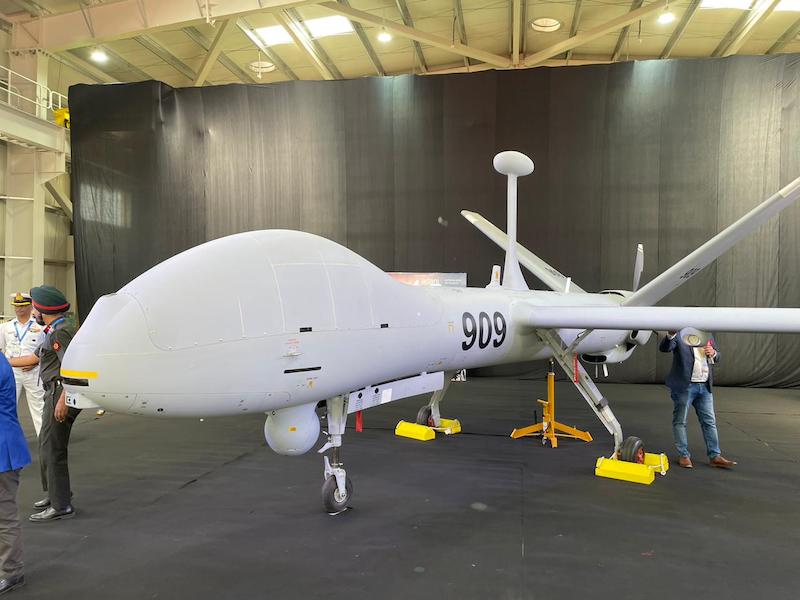
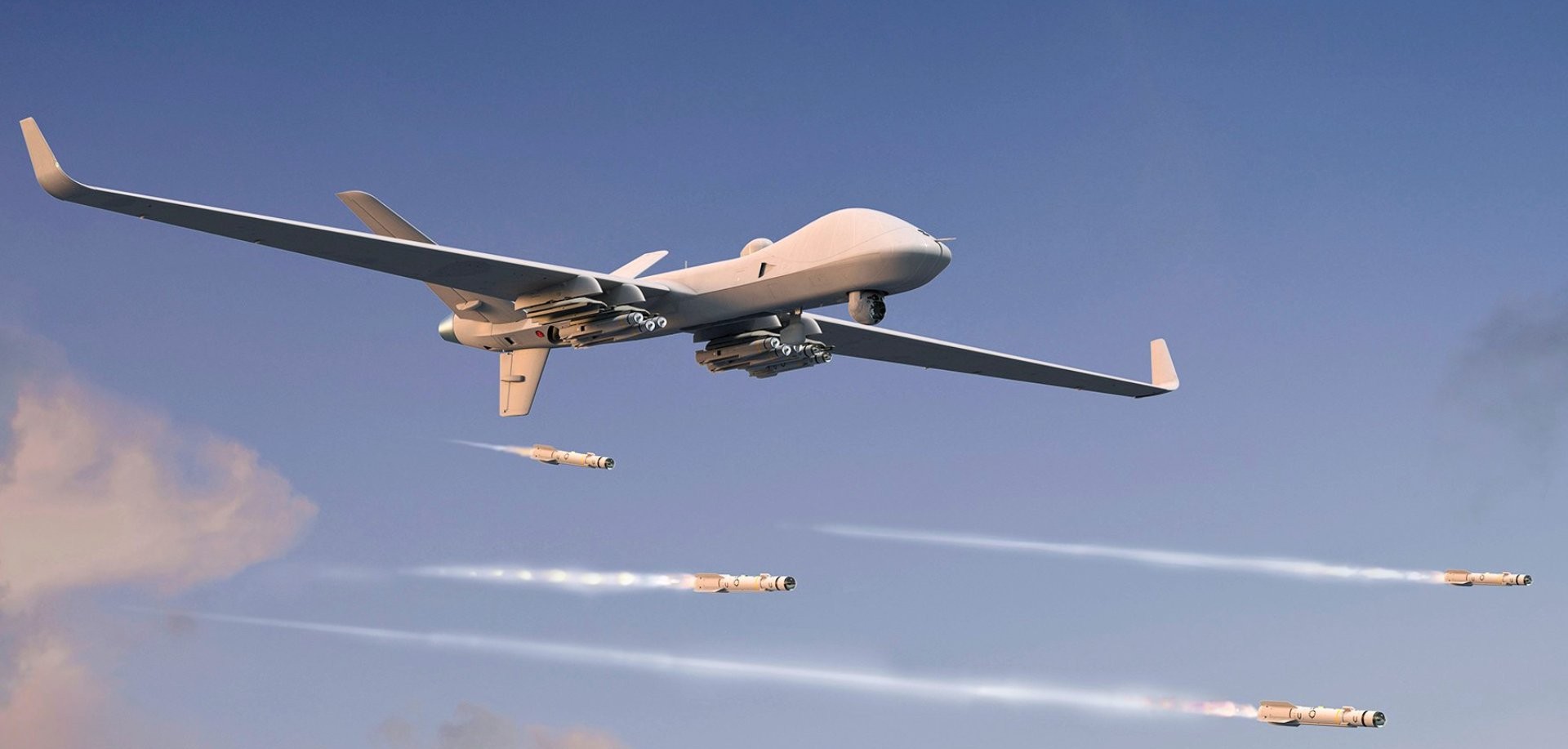
New Delhi: India has doubled the number of MQ-9B Sea Guardian drones it operates on lease, giving the Indian Navy additional long-endurance surveillance capacity at a time when activity by Chinese naval and research vessels across the Indian Ocean is drawing increasing attention.
The Ministry of Defence has signed a Rs 1,943-crore contract with US-based General Atomics Aeronautical Systems for the lease of two MQ-9B Sea Guardian high-altitude, long-endurance remotely piloted aircraft systems for 30 months.
The agreement takes India’s leased SeaGuardian fleet to four aircraft. The new arrangement is being viewed primarily as a stop-gap measure. India is already in the process of acquiring a much larger fleet of 31 MQ-9B aircraft from the United States, but those platforms will take years to enter service in meaningful numbers. The additional lease allows the Navy to strengthen its surveillance capability during that transition.
Why two more drones?
At first glance, adding two aircraft to a fleet may not appear transformative for a navy operating across an ocean as vast as the Indian Ocean. But the point is to be persistent.
The MQ-9B Sea Guardian can stay in the air for more than 30 hours, so it can monitor large stretches of the ocean for long periods. Unlike a conventional patrol aircraft that must periodically return to base, the Sea Guardian can maintain a surveillance orbit for much longer.
That makes it particularly useful for tracking ships, monitoring maritime traffic and maintaining a continuous picture of activity around strategically important sea lanes.
Read also: AMCA engine race heats up as Reliance and Rolls-Royce join forces
India’s original leased fleet consisted of two aircraft, acquired in 2020. One of those drones was lost following a technical problem during a surveillance mission in the Bay of Bengal in 2024. The aircraft was subsequently replaced under the existing contractual arrangement.
With two additional aircraft now being leased, the Navy will have four platforms available under lease. The increase provides greater operational flexibility. Aircraft can be rotated for maintenance without completely disrupting surveillance schedules, while multiple missions can potentially be conducted in geographically separated areas. The Navy has not publicly disclosed where the newly leased aircraft will be based or when they will become operational.
A temporary solution for a much larger requirement
The new lease makes more sense when viewed alongside India’s permanent MQ-9B programme. In October 2024, India concluded a major agreement with the United States for 31 MQ-9B aircraft. Fifteen are intended for the Indian Navy, while the Army and Air Force are each slated to receive eight.
The acquisition will eventually transform the MQ-9B from a limited naval surveillance capability into a tri-service unmanned aircraft fleet. However, they do not arrive immediately. That creates a gap between what India needs today and what it will eventually possess. The new 30-month lease is designed to bridge that gap. Instead of allowing the Navy’s unmanned surveillance capacity to remain constrained while it waits for the larger fleet, India can immediately expand its access to the same basic platform and continue building operational experience with it.
What makes the Sea Guardian different?
The MQ-9B Sea Guardian is an evolution of the MQ-9 family, but it has been adapted specifically for maritime operations. Its greatest advantage is endurance.
The aircraft can operate at altitudes of up to around 40,000 feet and is designed for missions lasting more than 30 hours. The maritime surveillance equipment can include surface-search radar, synthetic aperture radar, inverse synthetic aperture radar, electro-optical and infrared sensors and Automatic Identification System receivers.
Read also: What India and all 11 ASEAN nations are signalling to China
Together, these systems allow operators to monitor large stretches of ocean and investigate contacts that warrant closer attention. For example, AIS data can be used to identify commercial ships that broadcast their identity and location on a voluntary basis. Radar and electro-optical sensors can then provide additional information on vessels and other surface contacts.
This is particularly valuable in jam-packed maritime environments, where thousands of commercial vessels may be moving through the same waters as naval and government ships.
Four Sea Guardians cannot continuously monitor the entire Indian Ocean. The region stretches across an enormous area, from the approaches to the Persian Gulf and Arabian Sea to the Bay of Bengal and the waters leading toward the Malacca Strait.
Weather, maintenance, transit times and competing missions will inevitably create gaps. What the additional aircraft provide is resilience. With only two drones, the loss or maintenance of one platform can immediately cut available capacity by half. Four aircraft give the Navy more room to maintain surveillance rotations while keeping some capacity available for priority missions.
The fleet could potentially support surveillance in both India’s western and eastern maritime approaches while retaining flexibility for other tasks.
Why China is driving the requirement
The Indian Ocean has become an increasingly important theatre in India’s strategic calculations. Chinese naval deployments in the region have become more regular, while Chinese research and survey vessels have also attracted attention from Indian security planners.
China’s military presence in Djibouti, its expanding relationships with ports around the Indian Ocean and the increasing frequency of naval deployments have all contributed to India’s desire for better maritime awareness.
For India, surveillance is not simply about knowing where a Chinese warship is at a particular moment. It is about identifying patterns over time. The same vessel repeatedly operating in a particular area, accompanied by other ships and spending extended periods near strategically important waters, creates a very different intelligence picture.
Read also: Reliance, Rolls-Royce team up to chase AMCA fighter engine
Long-endurance drones are well suited to this kind of persistent observation. They can maintain tracks for extended periods and contribute to a database of maritime behaviour that is more useful than isolated sightings.
The P-8I connection
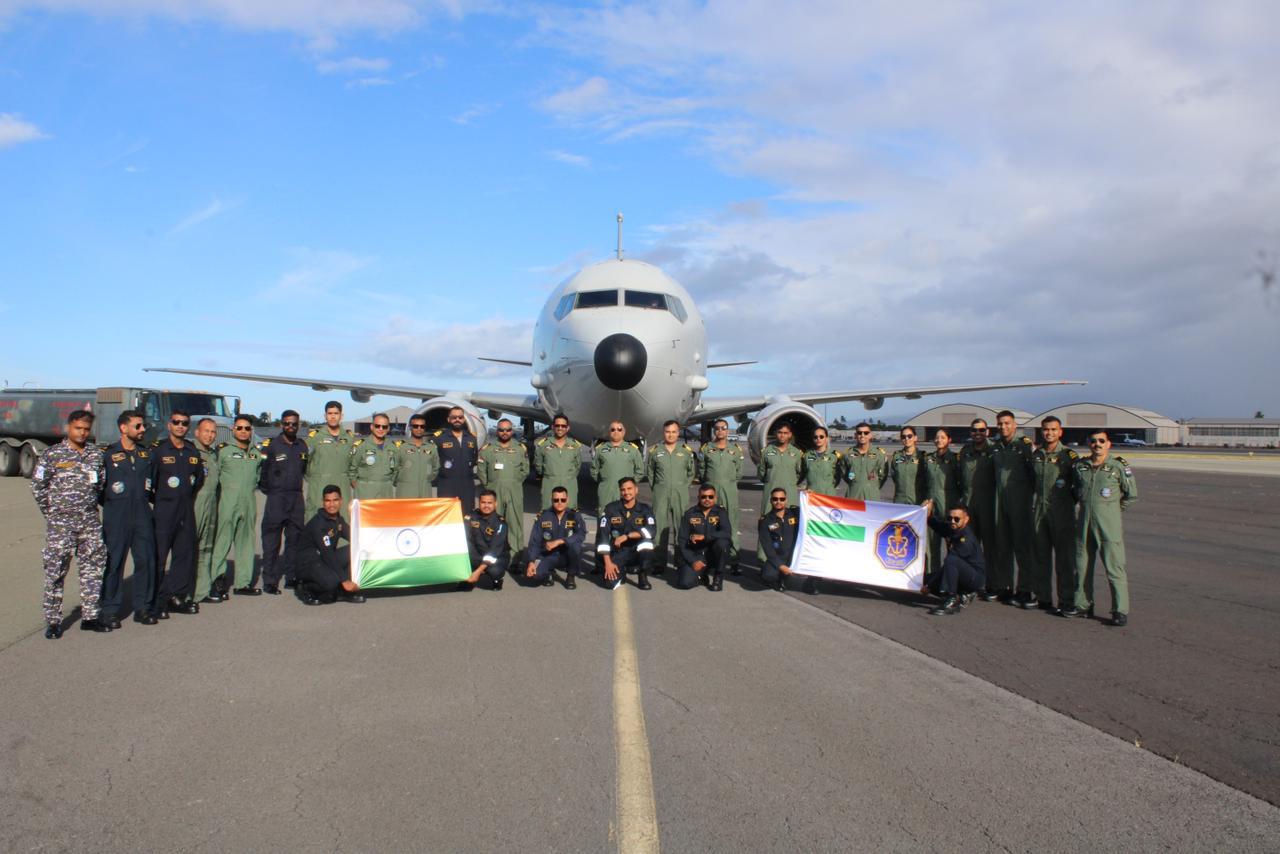
The Sea Guardian also complements India’s fleet of P-8I maritime patrol aircraft. The P-8I is faster and has sophisticated systems for maritime surveillance and anti-submarine warfare.
It is, however, a crewed aircraft and a much more complex and expensive asset to operate. That makes it poorly suited to performing every routine surveillance task. The Sea Guardian can take on some of the repetitive work.
A drone can spend many hours searching a broad area, tracking a vessel or monitoring a particular maritime corridor. If something unusual is detected, a P-8I or another naval asset can then be directed toward the contact.
The P-8I provides speed and sophisticated crewed decision-making. Warships provide physical presence. Submarines and underwater sensors contribute another layer beneath the surface. Satellites provide a wider strategic picture. The effectiveness of the MQ-9B therefore depends heavily on how well it is connected to the rest of India’s military surveillance architecture.
The drone’s role in anti-submarine warfare
Underwater detection is affected by depth, temperature, salinity, acoustic conditions and the availability of specialized sensors. The MQ-9B can nevertheless contribute to the wider anti-submarine mission by locating and tracking surface vessels, identifying patterns of naval activity and directing more specialized assets toward areas of interest.
Depending on the equipment and configuration available, unmanned systems can also contribute to sonobuoy-based operations. The broader value is therefore as part of a network rather than as a standalone submarine hunter.
Why leasing makes sense for India
India has increasingly turned to leasing when it needs a military capability quickly. Leasing can allow the military to start using the capability much sooner while the permanent procurement moves ahead. And, also avoids the massive upfront expenditure associated with purchasing a complete fleet and can bundle aircraft availability with maintenance, technical assistance, spares, training and other support.
India’s long-term ambition is the 31-aircraft MQ-9B fleet. For the Navy, the planned 15 Sea Guardians would represent a major expansion over the four aircraft now being leased.
The Army and Air Force will also receive their own MQ-9B Sky Guardians, giving the armed forces a common unmanned platform family capable of supporting persistent surveillance across multiple theatres.
The larger programme also includes advanced sensors, weapons and support infrastructure. That changes the role of the MQ-9B from a surveillance tool into a potentially broader intelligence and strike asset.
For the Navy, however, persistent maritime awareness remains the immediate priority.
(She is a senior journalist, who looks after the defence and strategic affairs developments. She is known for her reporting and writing on India’s defence sector, military modernization, aerospace, national security , diplomacy and strategic affairs.)
Follow us on social media for quick updates, new photos, videos, and more.
X: https://x.com/indiasentinels
Facebook: https://facebook.com/indiasentinels
Instagram: https://instagram.com/indiasentinels
YouTube: https://youtube.com/indiasentinels
© India Sentinels 2026-27