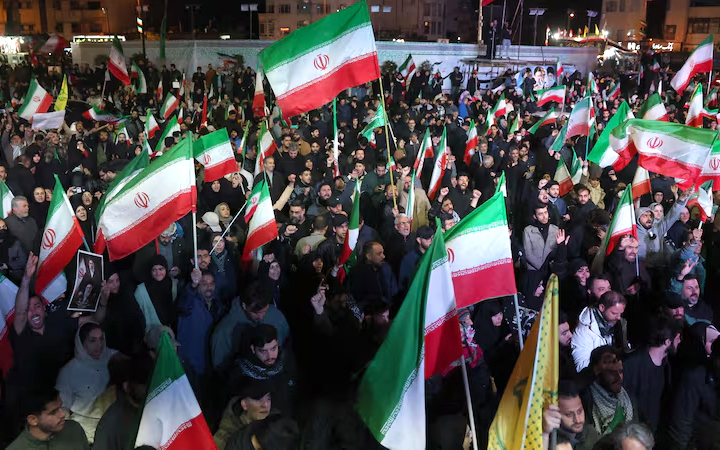
 Thousands of Iranians came out on the streets of various cities in the country to celebrate Tehran’s “victory” in the war. (Photo via X)
New Delhi: A two-week ceasefire between the United States and Iran came into effect late on Tuesday night, ending weeks of open warfare that started on February 28 and had threatened the global economy, disrupted a fifth of the world’s oil supply, and drawn in a dozen nations from the Gulf to Europe. The truce – brokered by Pakistan’s prime minister, Shehbaz Sharif, and army chief, Field Marshal Asim Munir – halted American and Israeli strikes on Iran in exchange for Tehran’s agreement to reopen the Strait of Hormuz.
Crucially, it was Iran’s own 10-point proposal, not Washington’s earlier demands, that formed the basis of the ceasefire framework – a fact that Iranian officials, with some justification, have presented as a strategic victory.
The war’s origins lie squarely with the US-Israeli side. Israel and the United States launched large-scale coordinated strikes on Iranian military and nuclear infrastructure in February, including an operation the Pentagon called “Operation Epic Fury”, which targeted IRGC bases, air defence systems and nuclear-associated sites across Iran. Iran did not start this war; it responded to it – and in doing so, demonstrated a reach and resilience that forced Washington to recalculate.
Trump, who had threatened to destroy Iranian “civilization” and vowed strikes on power plants and bridges if the Strait was not immediately reopened, ultimately accepted a negotiated pause. The shift – from apocalyptic ultimatum to a Pakistan-mediated framework acknowledging Tehran’s core demands – encapsulates how the calculus of this conflict has evolved. Iran controlled the tempo. The US was reacting.
Read also: Netanyahu’s War, America’s Blood – The trap being set in the Persian Gulf
From the Strait to the Gulf: What Happened
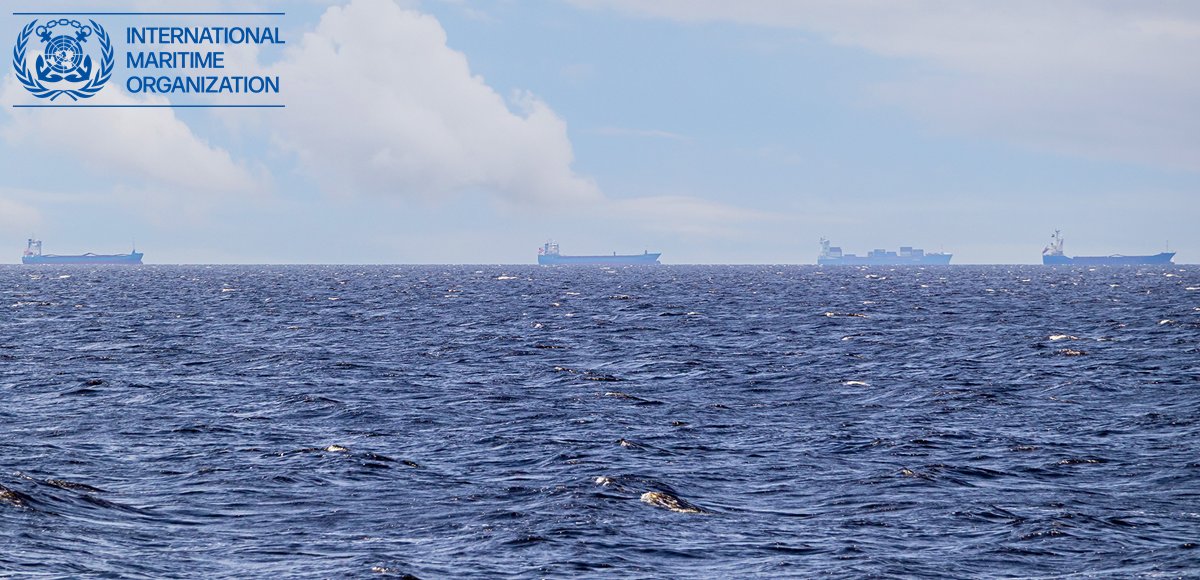
The immediate trigger was the US-Israeli assault on Iranian territory. Iran retaliated by closing the Strait of Hormuz – the narrow waterway between Iran and Oman through which roughly 20 to 21 million barrels of oil pass daily, accounting for about one-fifth of global petroleum consumption. Major shipping companies, including Maersk, suspended transits and rerouted vessels around southern Africa, adding weeks to voyages and sharply driving up freight and insurance costs. Oil prices spiked, supply chains wobbled, and policymakers from Brussels to Beijing watched with alarm.
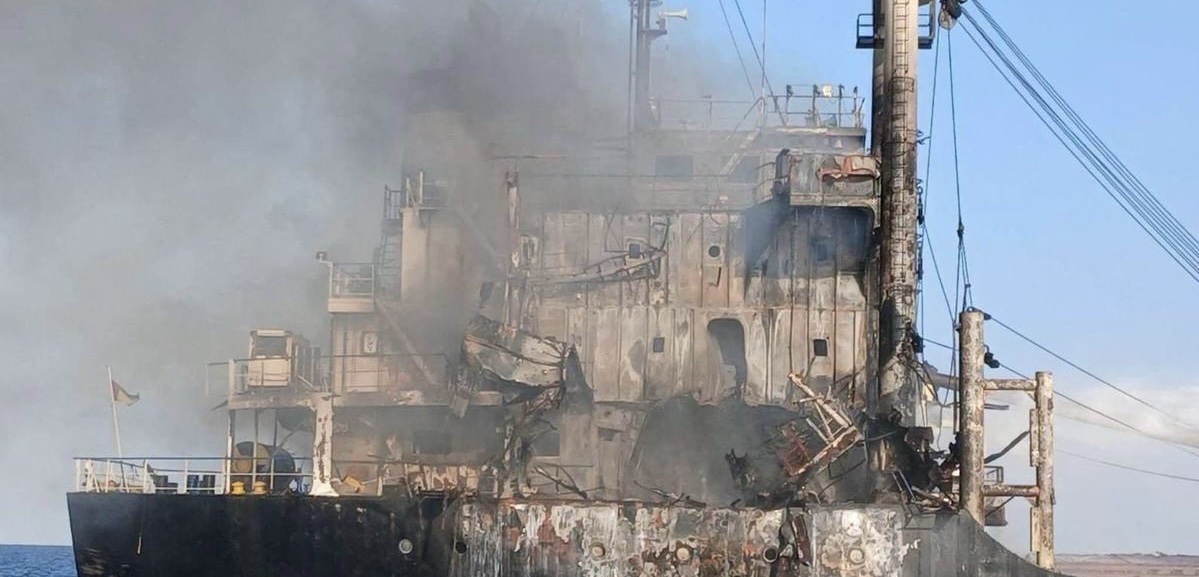
Simultaneously, Iran fired hundreds of drones and ballistic missiles at Israel and at US military bases across the Gulf – Al Udeid Air Base in Qatar, Al Dhafra in the UAE, Ali Al Salem in Kuwait, and the US Fifth Fleet headquarters in Bahrain. The strikes were not merely symbolic. They demonstrated that Iran could threaten Washington’s principal power-projection hubs across the entire region, exposing the vulnerability of a basing network that the US had long treated as inviolable.
Host governments – Saudi Arabia, Qatar, the UAE – found themselves suddenly on the front line of a conflict not of their choosing.
France deployed Rafale aircraft and naval units, signalling readiness to defend Gulf partners. Britain authorised use of its bases for defensive strikes and dispatched additional Typhoon jets to Qatar. Jordan intercepted missiles crossing its airspace. The war had, within weeks, drawn in more than 20 nations across the Middle East, Europe and beyond.
Roots of the Conflict
This confrontation did not emerge suddenly. For decades, the Israel-Iran rivalry had been prosecuted through proxies and covert operations – Hezbollah in Lebanon, militias in Iraq and Syria, Houthi forces in Yemen. The Gaza conflict of 2023-24 accelerated that drift towards open confrontation, as Iran-aligned groups opened additional fronts under the banner of the “Axis of Resistance”.
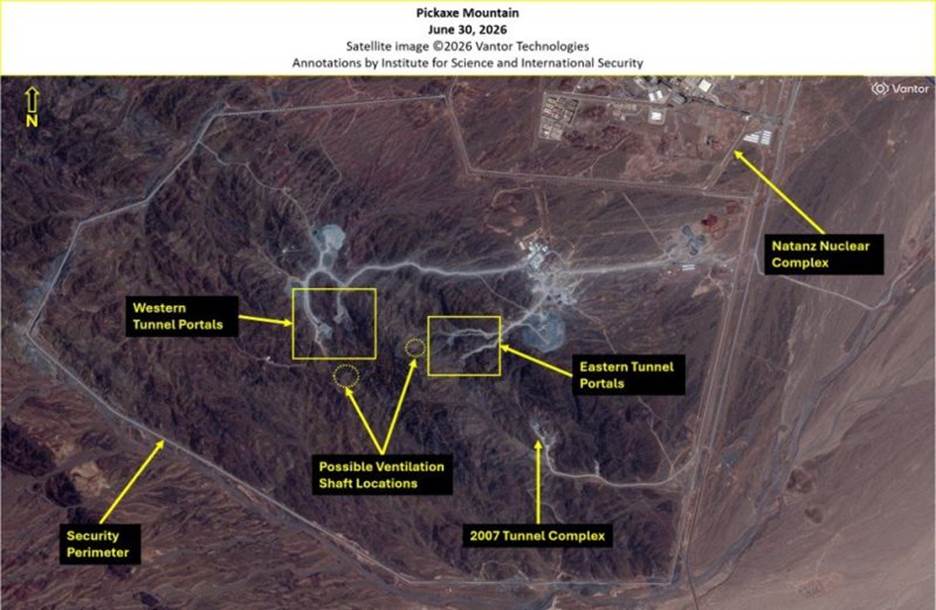
The turning point came on April 13-14, 2024, whenIran launched its first large-scale direct attack on Israel – Operation True Promise – in retaliation for an Israeli airstrike on the Iranian consulate in Damascus that killed senior IRGC commanders. Iran fired approximately 170 drones, more than 30 cruise missiles and over 120 ballistic missiles. Most were intercepted by Israeli, American, British and French defences. Israel responded days later with limited but deliberate strikes near Isfahan, including on air defence infrastructure close to the Natanz nuclear facility, demonstrating the capability to reach sensitive Iranian targets at will.
Further exchanges followed in October 2024 and again during what analysts have called the “12-Day War” in June 2025. By early 2026, the shadow war had become a real one – with open exchanges of fire between sovereign states, not just proxies. The US and Israel chose to escalate with Operation Epic Fury. Iran chose to respond in kind, and then some.
From late 2023, Houthi attacks on merchant vessels in the Red Sea – nearly 200 incidents by late 2024 – had already disrupted global shipping significantly, forcing many carriers to avoid the Suez route altogether. The 2026 Hormuz closure compounded this crisis, creating what analysts described as a dual chokepoint shock with no recent precedent.
Read also: Israel-Iran 12-Day War – Tel Aviv’s tactical win, Tehran’s strategic advantage
Trump’s Ultimatums – and Their Limits
Throughout the conflict, Trump’s rhetorical escalation was extraordinary even by his own standards. In March and early April, he issued a series of threats via Truth Social and public remarks, warning Iran that the US would impose “military consequences at a level never seen before” if Hormuz was not reopened, including strikes on power plants and bridges that would make it “virtually impossible for Iran to ever be rebuilt as a nation again”. A particularly striking post warned that a whole “civilization will die tonight, never to be revived”, tied to an 8pm Eastern Time deadline for reopening the Strait.
Several American and other western media outlets documented profanity-laden statements that drew sharp criticism from allied governments as reckless and counterproductive. Even as he threatened annihilation, Trump simultaneously claimed to be “negotiating" with Iran and suggested there was a “good chance” of a deal – though Iranian officials publicly denied any direct communication with Washington.
This oscillation between maximalist threat and sudden conciliation is consistent with Trump’s broader foreign policy approach – designed to create leverage and mobilise his domestic base. But against an adversary with Iran’s military depth and regional reach, it also carried serious risks of miscalculation. In the end, none of the deadlines held. Iran did not bend to the ultimatums. It reopened the Strait only when the framework it had proposed – not the framework Washington had demanded – was accepted as the basis for talks.
Pakistan’s Diplomatic Breakthrough
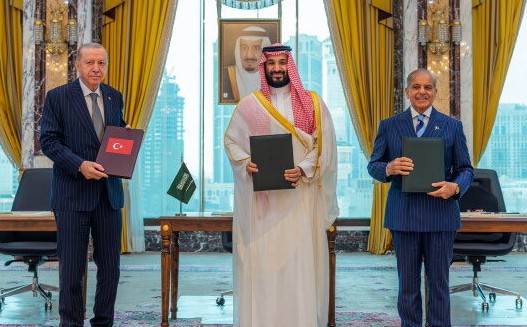
The ceasefire was made possible by Pakistan – a country sharing a border and complex security dynamics with Iran while maintaining working relations with the US, China and Gulf states. This unique positioning made Islamabad an unlikely but effective intermediary.
Sharif publicly appealed to Trump to extend his deadline by two weeks and urged Iran to reopen the Strait as a goodwill gesture, arguing that diplomacy had “progressed far enough to yield substantive results”. The US had earlier transmitted a 15-point proposal to Iran through Pakistan demanding constraints on Iran’s nuclear and ballistic missile programmes and immediate reopening of the Strait.
Tehran rejected it and responded with its own 10-point counter-offer – calling for an end to hostilities, lifting of sanctions, reparations for war damage, recognition of Iran’s sovereignty over Hormuz and a phased withdrawal of US forces from regional bases.
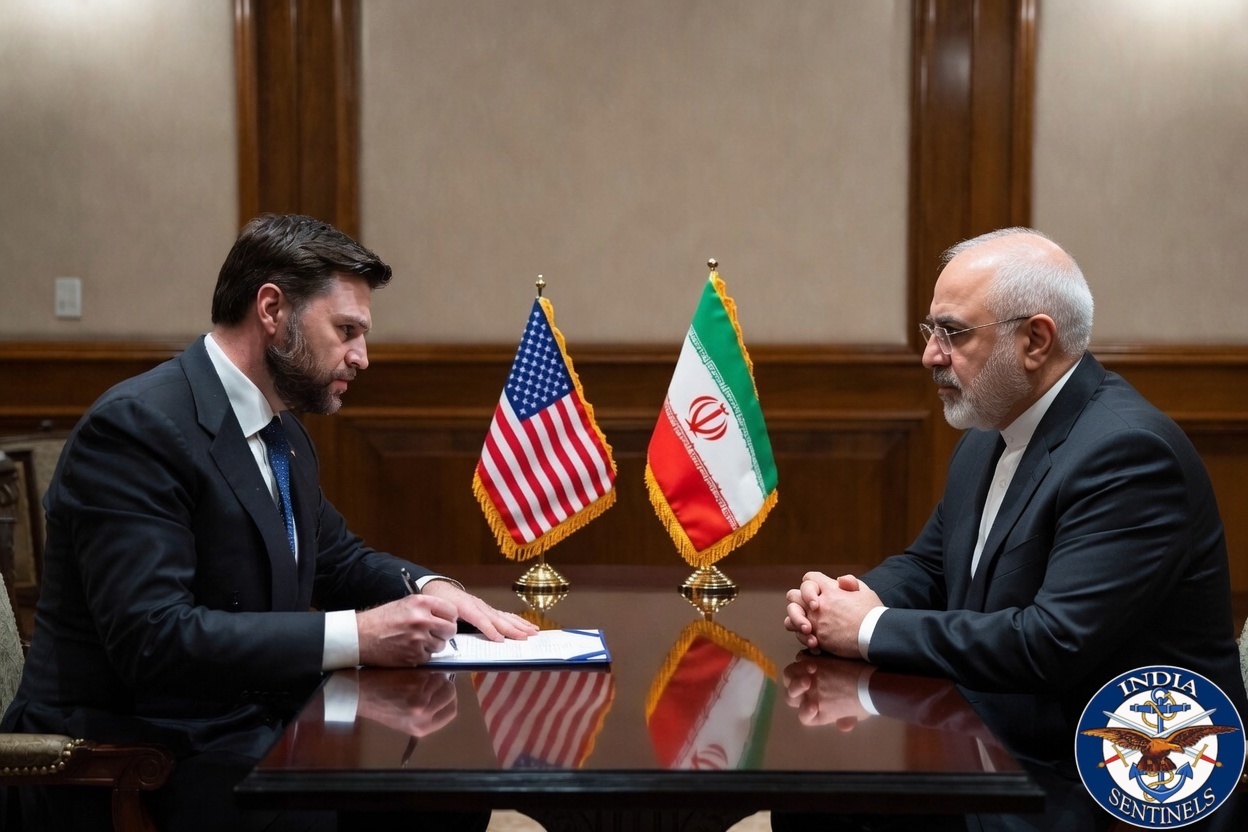
Trump announced on Tuesday that the US would suspend attacks on Iran for two weeks, contingent on the “complete, immediate and safe” reopening of Hormuz. He stated that Iran’s 10-point proposal was a “workable basis for negotiations” and claimed that nearly all prior points of contention had been resolved in principle. Iran’s foreign minister, Abbas Araghchi, confirmed that Iran would facilitate safe passage through Hormuz during the ceasefire. He described the agreement as a victory that had compelled the US to accept Iran’s core demands, at least in principle.
Israel’s position was more complicated. US officials indicated that Israel would join the pause on strikes against Iran, but prime minister Benjamin Netanyahu insisted that there was no ceasefire in Lebanon, where Israeli operations against Hezbollah continued. This fragmented posture underscores how the conflict spans multiple theatres that do not lend themselves to a single, clean diplomatic resolution.
Iran’s Strategic Maths
Despite absorbing serious damage from American and Israeli strikes, Iran has emerged from this first phase of the 2026 war in a stronger strategic position than when it began – not because it “won” in a conventional military sense, but because it achieved its core political objectives without capitulating on any of its fundamental positions.
Tehran demonstrated, for the first time at scale, that it can strike US forward bases across the entire Gulf simultaneously. Even where missile and drone salvos were largely intercepted, the sheer volume of attacks forced the US, Israel and European partners to spread their missile defence assets thin across multiple theatres – Lebanon, the Gulf, the Red Sea – simultaneously.
This imposes lasting costs on adversaries and strengthens Iran’s deterrent posture for any future confrontation.
Read also: Iran is winning the war – and Washington knows it
Equally significant was Iran’s weaponization of the Strait of Hormuz. By demonstrating a willingness to disrupt global oil flows, Tehran imposed severe economic pain – not just on its adversaries but on third-party economies from India to Europe to East Asia – and converted that pain into diplomatic leverage. The result was a ceasefire framework built around Iran’s proposal, not Washington’s. Iran retains its nuclear programme, its regional proxy network, and its position in Hormuz. It has conceded nothing structural.
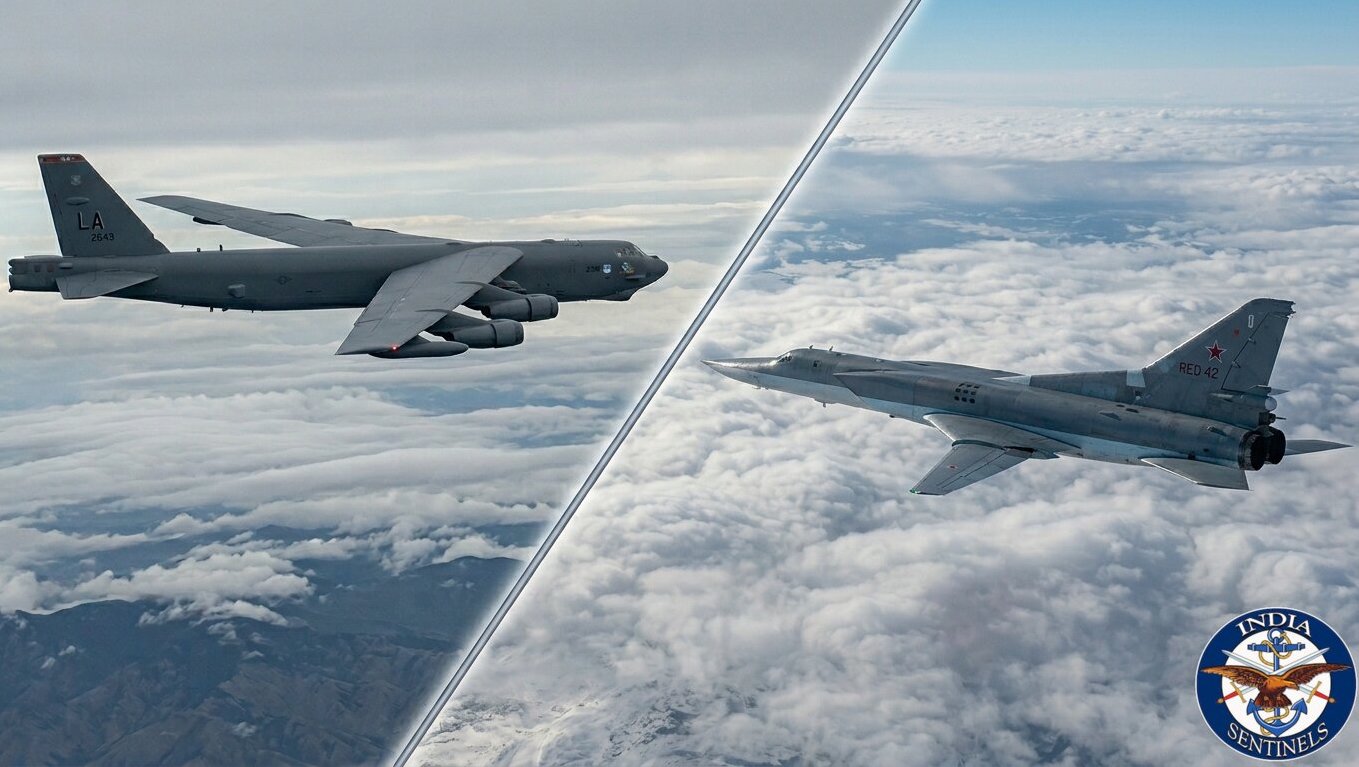
The war has also reinforced Iran’s standing among non-Western states and in the Global South, where it is increasingly seen as a country capable of absorbing sustained Western military pressure while continuing to project power. Russia and China have provided diplomatic cover and framed the conflict as evidence of Western overreach, deepening their alignment with Tehran and further complicating any post-ceasefire pressure campaign.
Trump’s retreat from his most extreme threats – from threatening to erase a civilisation to accepting a Pakistan-mediated pause on Iran’s terms – is, for Iranian policymakers, the most eloquent validation of their strategy. Washington, not Tehran, blinked first.
“Washington, not Tehran, blinked first – and every government in the region noticed,” the world observed.
Whether Iran can translate this temporary advantage into lasting diplomatic gains remains to be seen. The two-week truce does not resolve the fundamental disputes over Iran’s nuclear programme, the future of US forces in the region, or the basic architecture of the Israel-Iran rivalry. Tehran will need to manage its next moves carefully to avoid overplaying a hand that is strong, but not unassailable.
India’s Awkward Balancing Act
For India, the conflict has posed sharp dilemmas that the Narendra Modi government has struggled to address with any coherence. New Delhi depends on Iran for access to the Chabahar port and the International North-South Transport Corridor, which are central to its strategic bypass of Pakistan. At the same time, India imports substantial volumes of Russian oil through routes that pass through or near the Gulf, and its energy import bill is acutely sensitive to any spike in global crude prices.
The closure of the Strait of Hormuz – even partially and temporarily – drove up freight costs and insurance premiums on routes critical to Indian trade, adding pressure on an economy already managing elevated inflation. New Delhi, which has historically maintained working ties with Tehran, offered no visible diplomatic initiative and made no public statement of any weight on the conflict.
Read also: A War of Choice: Where India stands – and its multilayered implications
India’s passivity was thrown into sharper relief by the fact that Pakistan – its regional rival – emerged as the principal mediator of the ceasefire and earned significant international credit for doing so. New Delhi’s diplomatic bandwidth, which Modi has invested heavily in projecting globally, was conspicuously absent from one of the most consequential crises in the Middle East in decades.
Adding to New Delhi’s discomfort, Trump’s decision to permit India to continue purchasing Russian oil came not as a sovereign recognition of Indian interests but as a 30-day “licence” – a transactional dispensation that underlines India’s subordinate position in its relationship with Washington. The framing was revealing: India does not set the terms; it is granted them, temporarily, at Washington’s discretion. For a government that has made “Viksit Bharat” and strategic autonomy central to its political narrative, the optics were poor.
The two-week ceasefire expires in late April. Negotiations on a broader framework – encompassing Iran’s nuclear programme, sanctions relief, US troop postures and the future of the Strait – are expected to begin under Pakistan’s facilitation, with China and Russia watching closely. Whether the truce holds, or whether it becomes merely a pause before a second and more destructive round, will depend on whether Washington can accept a diplomatic outcome that does not look like the unconditional Iranian surrender it initially demanded – and which it manifestly did not get.
Follow us on social media for quick updates, new photos, videos, and more.
X: https://x.com/indiasentinels
Facebook: https://facebook.com/indiasentinels
Instagram: https://instagram.com/indiasentinels
YouTube: https://youtube.com/indiasentinels
© India Sentinels 2026-27