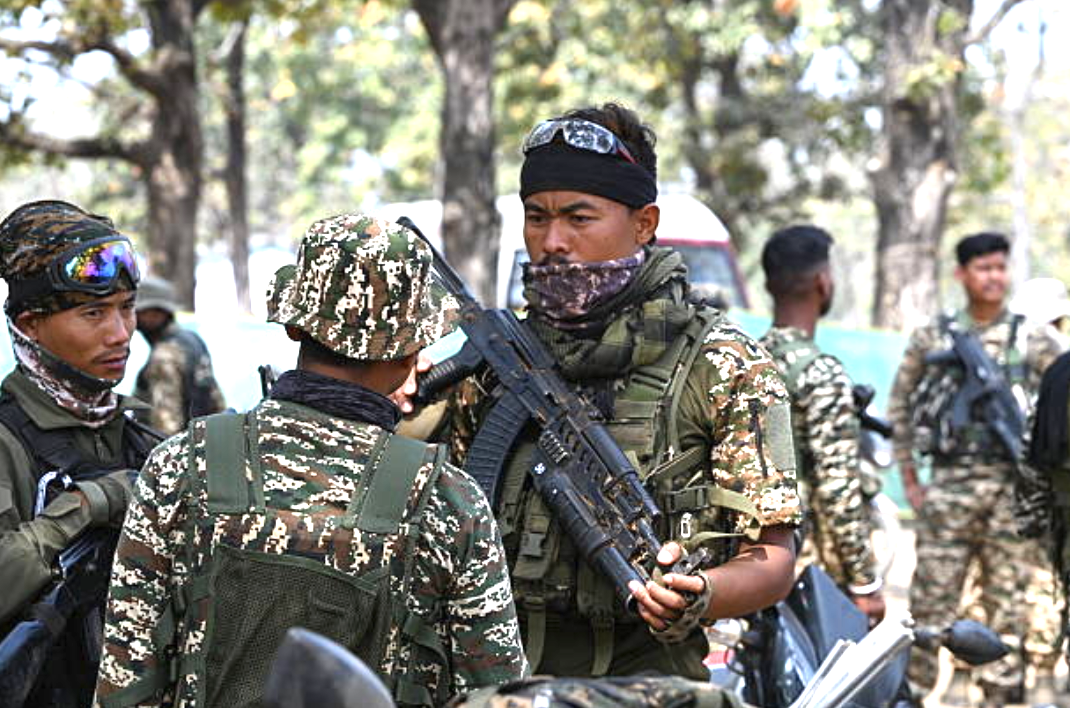
 CRPF commandos in an anti-Naxalite operations camp in Chhattisgarh. (Photo for representation)
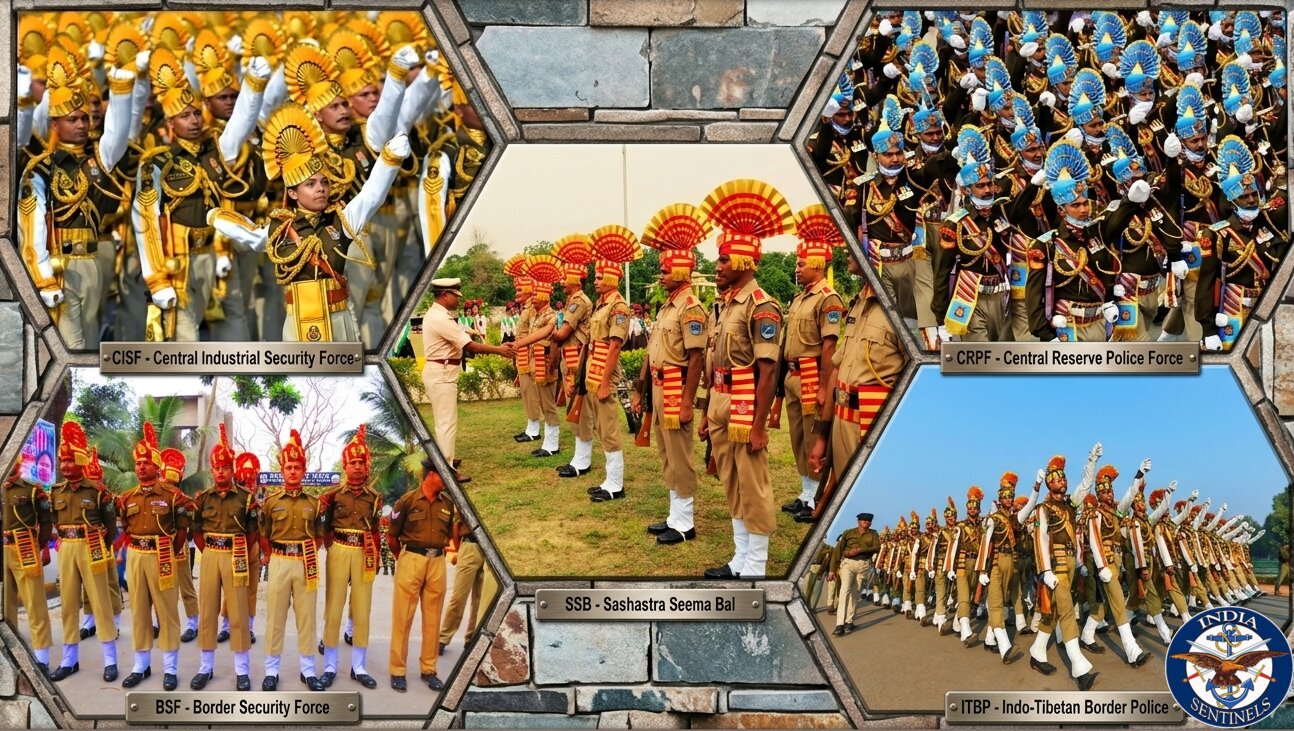
A slow-burning crisis is consuming India’s central armed police forces (CAPFs) from within. Not a crisis of courage – the jawans and officers of the Border Security Force (BSF), the Central Reserve Police Force (CRPF), the Indo-Tibetan Border Police (ITBP), the Sashastra Seema Bal (SSB), and the Central Industrial Security Force (CISF) have never lacked that. The crisis is structural, bureaucratic, and deeply corrosive: a system of human resource mismanagement so skewed in its design and so indifferent in its execution that it is eroding morale, stifling careers, and, most dangerously, degrading the combat effectiveness of forces entrusted with guarding India’s frontiers and internal security.
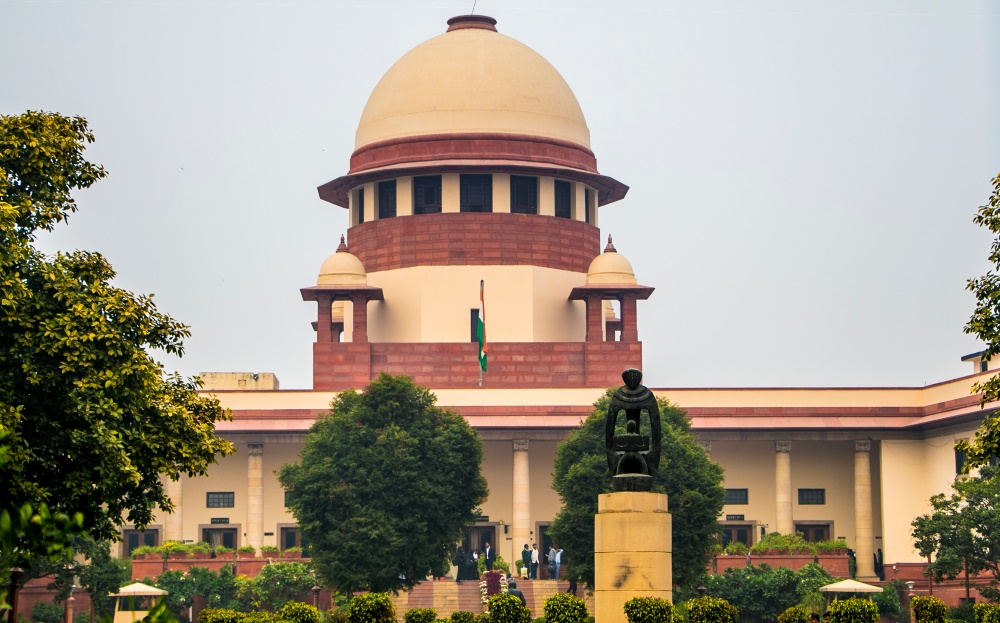
The trigger for the current outrage among CAPF veterans and serving personnel is the government’s stated intent to deny the forces what the Supreme Court has upheld as their constitutional right: organized “Group A” service (OGAS) and non-functional financial upgradation (NFFU). Following the court’s landmark judgment of May 23, 2025, anger and anxiety have swept through the CAPF community – not merely as personal grievance, but as genuine alarm over what this denial means for national security.
Veterans and their associations have mounted an energetic campaign on social media, pressing the government and the ministry of home affairs to honour the Supreme Court’s directive. Yet they find themselves sidelined in a bureaucratic ecosystem that has historically privileged the powerful over the professional. What makes this all the more troubling is that the mainstream electronic and print media – ordinarily so exercised by security matters – has maintained a conspicuous silence on the issue. The reasons for that silence remain, as they say, best known to themselves.
Read also: Chanakya’s Warning and India’s Shame – How the state fails its CAPFs
System Rigged Against Its Own
The Supreme Court’s ruling, however, is not merely a legal technicality. It offers the Prime Minister’s Office (PMO) and the Ministry of Home Affairs (MHA) a rare and timely opportunity to root out and reform a system of human resource management that is personality-driven rather than needs-based, arbitrary rather than systemic, and deeply inimical to the morale and combat readiness that any credible national security apparatus demands.
Who bears responsibility for this state of affairs? The answer lies at the top of the organizational hierarchy. It is the director general (DG) of each force who sets the broad parameters of human resource management policy – aided by the additional director general (HR) and the inspector general (personnel). These are positions of enormous influence. And for decades, they have been filled by Indian Police Service (IPS) officers parachuted in from outside, officers who are, by the very nature of their career trajectories, strangers to the professional culture, operational ethos, and human realities of the forces they lead.
Read also: Give CAPF officers what Supreme Court ordered – and what they earned
The IPS Problem
A candid assessment of this arrangement was offered by Dr NC Asthana, a distinguished IPS officer himself, in a recent op-ed [archived link]. His verdict was unsparing: senior IPS officers have never added value to the functioning of the paramilitary forces, and their very deputation there invites serious scrutiny. Many such officers, he noted, justify their presence by invoking the language of “leadership”.
However, the question that begs an answer is: what, concretely, have they contributed to the techniques of combat, standards of training, or quality of equipment that might translate into better operational performance? The answer, he concluded, is nothing. Whatever little they have introduced has resulted in operational failure and a colossal waste of resources.
This assessment from within the IPS fraternity itself ought to serve as a powerful signal to the government. If even those who have served at the highest levels of both the police service and the CAPFs acknowledge the futility of this arrangement, it is high time the government listened.
Any credible framework for human resource management in the CAPFs must be evaluated against three fundamental objectives: beating stagnation, maintaining high morale, and ensuring combat effectiveness. On all three counts, the current system has failed spectacularly.
Read also: Why 8th pay panel must recognize CAPF personnel as true soldiers
Stuck in Rank, Stuck in Time
The stagnation that afflicts CAPFs is not a matter of administrative inconvenience – it is a human catastrophe unfolding in slow motion. A constable must wait approximately 22 years for his first promotion to head constable. By the time he reaches the rank of assistant sub-inspector, he has spent decades performing the same duties, trapped in a cycle of monotony that erodes his spirit and his sense of professional worth.
The consequences do not stop with the individual: families suffer too, living with the quiet indignity of watching their breadwinner’s career stall for no reason other than systemic failure.
The statistics higher up the rank structure are equally damning. Sub-inspectors of the 2005 batch in the BSF are still in inspector’s rank for almost 17 years. Officers of the 1999 batch were still serving as second-in-command after more than 27 years of service. Officers commissioned in 1995 were still commandants after 31 years. For those who join as assistant commandants – the bedrock of the officer corps – the wait for a first promotion to deputy commandant stretches to 13 to 14 years.
These are not the career timelines of a motivated, combat-ready force but the hallmarks of an organization that has given up on its own people.
Read also: SC judgment on CAPF officers is final. Implementation must begin
The consequences of this stagnation ripple outward into voluntary retirements, declining recruitment quality, and an institution increasingly unable to attract and retain the calibre of officer that national security demands. The cutting edge of India’s border and internal security apparatus is quietly blunting itself.
Cadre reviews are the traditional instrument for addressing such distortions, but here too the record is dismal. The third cadre review for BSF officers was conducted in 2016. The fourth, due in 2021, was prepared under the-then director general, Rakesh Asthana, and submitted to the MHA – only to be kept in abeyance on the pretext of a court stay. With that stay now vacated, the ministry must act without further delay.
Yet there is reason for scepticism about how faithfully any future cadre review will serve the interests of cadre officers. A DG drawn from the IPS, viewing the organizational pyramid from his vantage point, has little professional incentive to reduce the number of assistant commandant and deputy commandant posts – the very reform needed to ease bottlenecks and accelerate promotions. The more likely outcome, shaped by the logic of IPS dominance, is a review that widens the base further while leaving the upper echelons untouched. Such an outcome would be worse than no review at all.
Read also: My Identity Crisis – The CAPF soldier’s perennial dilemma
When Soldiers Must Sue to Be Heard
The second objective – maintaining high morale – is intimately linked to the first. Morale in a paramilitary force cannot be measured by speeches or ceremonial parades. Its true indicators are the standard of discipline and the volume of litigation by personnel against their own organization. On this second measure, the CAPFs present a sorry picture. Officers and men are routinely forced to approach courts for relief on matters ranging from promotions and financial entitlements to the most basic redress of grievances.
Each court case represents not merely a financial burden on the petitioner, but a sapping of time that should be spent on training and operations, and a deepening of the trust deficit between the individual soldier and the institution he serves. An institution that cannot be trusted to deliver elementary justice to its own people cannot easily command the full commitment those people owe it in battle.
The third objective – combat effectiveness – is where the consequences of bad human resource management become most acute and most dangerous. Combat effectiveness does not emerge spontaneously from patriotism alone. It is the product of sustained professional development, institutional trust, a sense of purpose, and the knowledge that one’s contribution is valued and rewarded. Strip away those elements and you strip away the foundation of fighting power.
Read also: End Colonial Charade – Implement SC ruling on CAPF officers now
A director general, additional director general, or inspector general who has never commanded a company, never served as a second-in-command or commandant, never participated in operations, and never worked alongside men on the ground, is structurally incapable of understanding what the CAPFs need to remain combat effective. The superiority complex that sometimes accompanies the IPS uniform only compounds the problem: it replaces professional understanding with bureaucratic condescension and replaces institutional memory with ignorance masquerading as authority.
The OGAS and NFFU framework, as upheld by the Supreme Court in its May 23, 2025, judgment, offers a principled way out of this impasse. OGAS, in particular, functions as a systematic cadre-management instrument – one that is, by design, insulated from the personality biases and factional preferences that have repeatedly distorted cadre reviews under successive DGs.
Each director general has tended to tailor reforms to his own perception of what the organization needs, rather than to the objective requirements of career progression, morale, and combat effectiveness. OGAS removes that discretion and replaces it with a transparent, rule-based mechanism that can deliver what decades of personality-driven management have failed to.
Read also: Blood, Sweat, and Bureaucracy – SC’s CAPF ruling demands immediate implementation
A Court Order, a Crossroads, a Choice
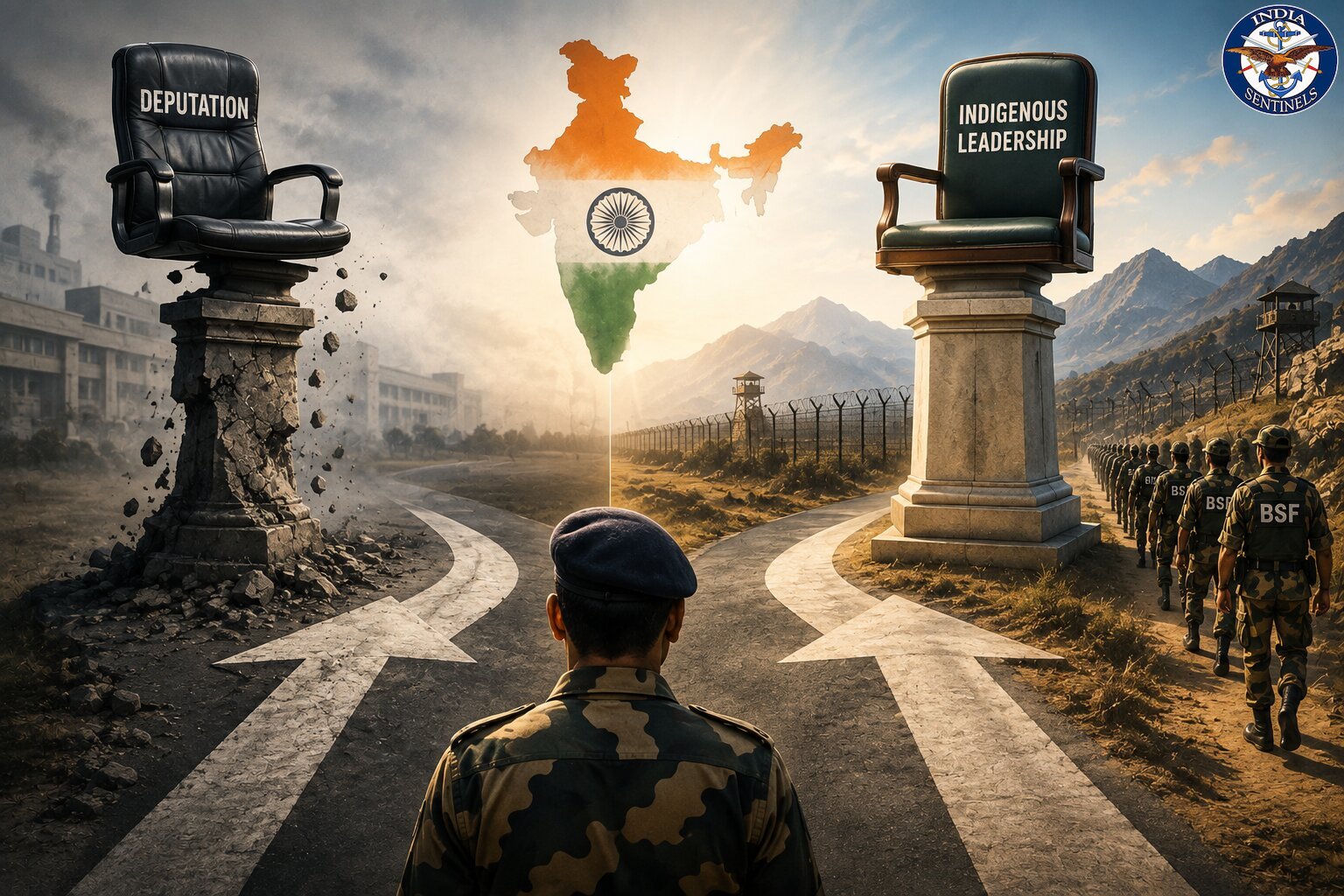
The moment calls for political will at the highest level. The prime minister and the home minister now face a choice: honour the Supreme Court’s judgment and begin the hard work of reforming the CAPFs, or continue to defer to a bureaucratic status quo that has already done enormous damage. The court has offered an honourable exit from the accumulated failures of the past. The government would do well to take it.
Implementing the Supreme Court’s directive on OGAS and NFFU must be the starting point – not the end point. Alongside it, the government must shelve the proposed bill that seeks to institutionalize IPS dominance in the CAPFs, a bill that, if enacted, would entrench the very pathologies this moment demands be cured. It must commission a genuinely needs-based cadre review for BSF officers, overdue by four years. And it must initiate a wider rethink of whether parachuted leadership, however distinguished in its own domain, is the right model for forces that demand deep institutional knowledge at the very top.
The men and women of the CAPFs guard India’s borders in the freezing heights of Ladakh, the steaming jungles of the northeast, and the volatile terrains of the insurgency belt. They deserve a human resource management system that recognizes their service, rewards their sacrifice, and gives them a fighting chance – not just against India’s enemies, but within the organization that is supposed to have their backs.
It is time for the government to choose professionalism over patronage, and national security over bureaucratic convenience. The Supreme Court has shown the way. What remains is the political will to walk it.
Disclaimer: The views expressed in the article are the author’s own and don’t necessarily reflect the views of India Sentinels.
Follow us on social media for quick updates, new photos, videos, and more.
X: https://x.com/indiasentinels
Facebook: https://facebook.com/indiasentinels
Instagram: https://instagram.com/indiasentinels
YouTube: https://youtube.com/indiasentinels
© India Sentinels 2026-27