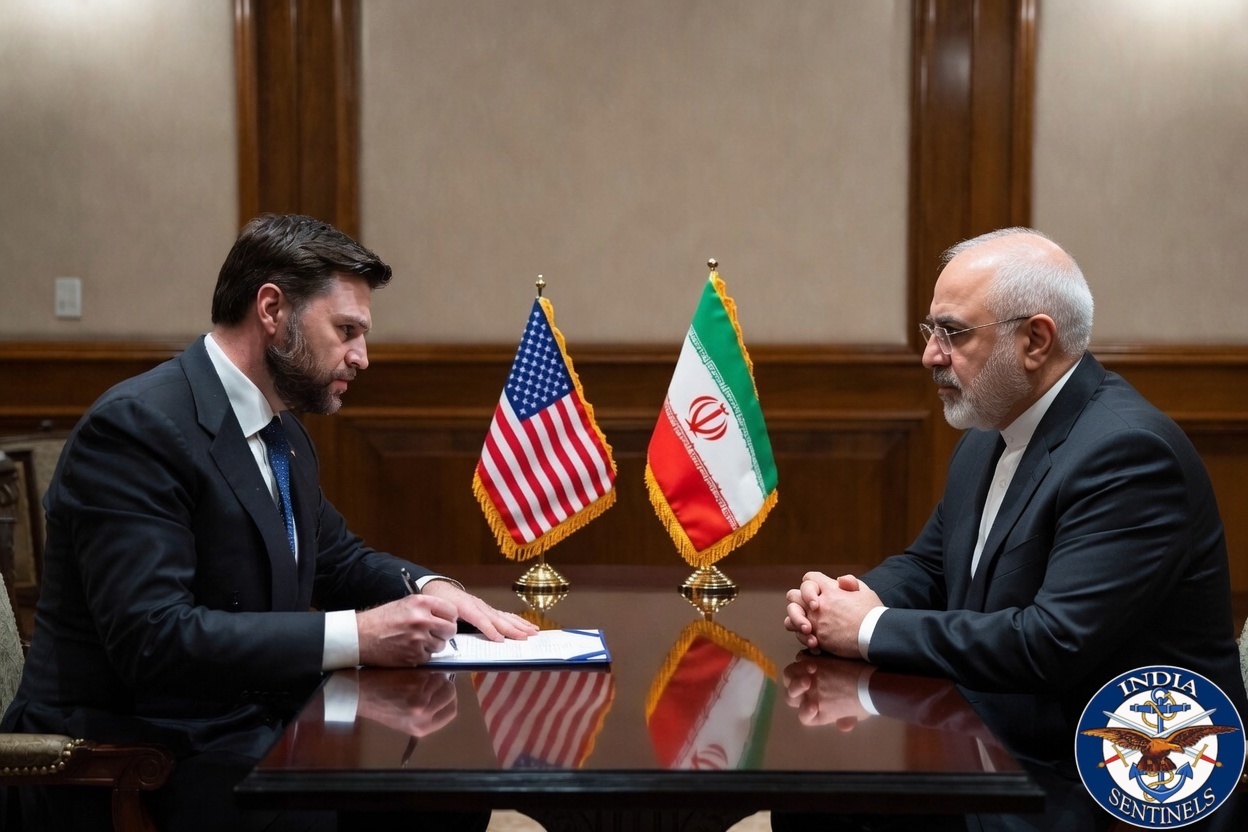
 Illustration for representation. (© India Sentinels 2026–27)
New Delhi: More than 100 days after the United States and Israel launched a military campaign against Iran, a fragile diplomatic framework has emerged that has halted active hostilities, reopened a critical global energy corridor, and set the stage for a fresh round of nuclear negotiations. It will be formally signed in Geneva on June 19.
The memorandum of understanding (MoU) announced by the Pakistani prime minister, Shehbaz Sharif, on Monday, and endorsed the US president, Donald Trump, and Iranian officials, brings an end to the most serious direct US-Iran confrontation in decades. Yet while guns have fallen silent across the region, the agreement leaves untouched some of the issues that have long fuelled instability in West Asia, raising questions over whether it marks the beginning of a durable settlement or merely an intermission before another confrontation.
From regional war to negotiated pause
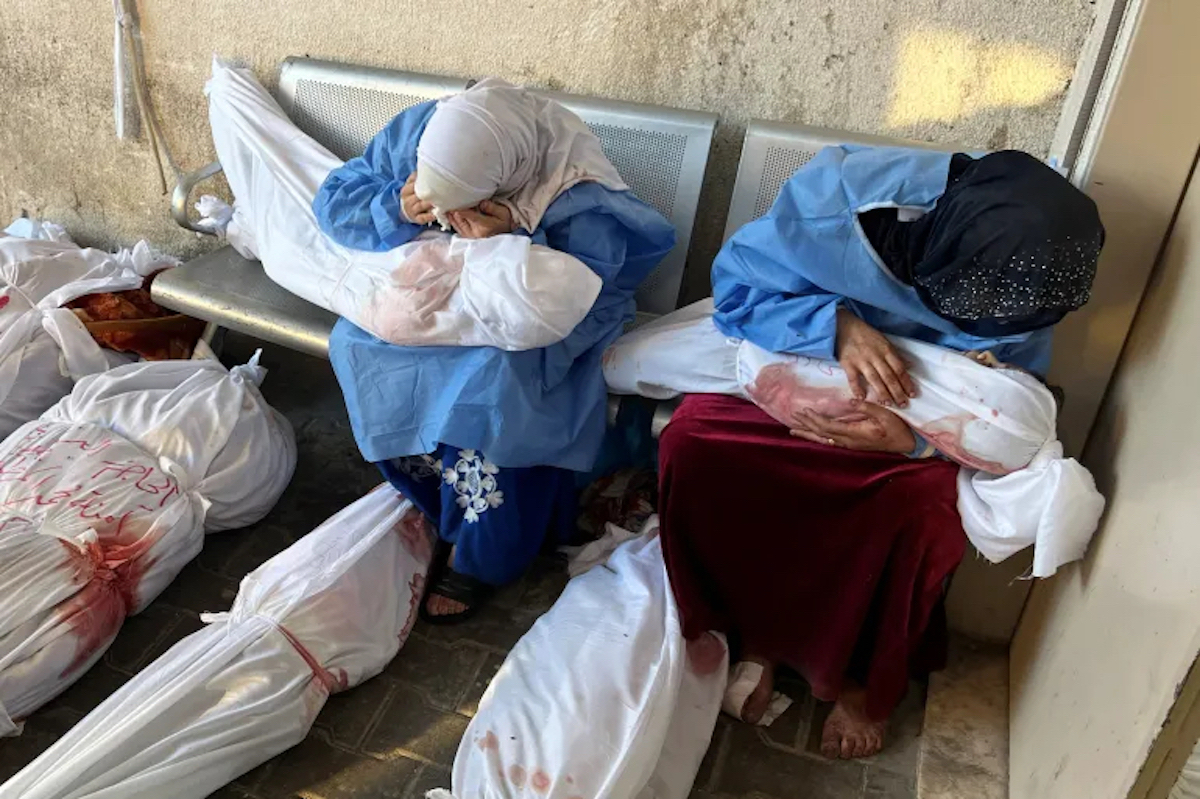
The conflict began on February 28 when the United States and Israel carried out coordinated strikes on Iran, killing the country’s supreme leader, Ali Hosseini Khamenei, and several senior military and political figures. Tehran responded with missile attacks against Israeli targets and US military facilities across the Gulf region.
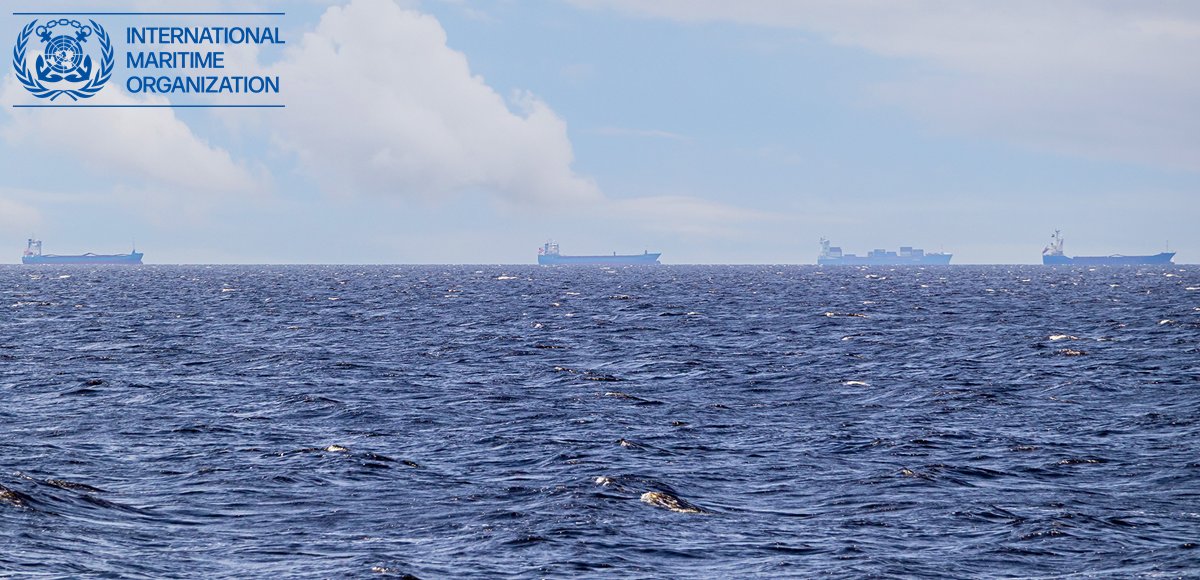
Within days, Iran declared the Strait of Hormuz closed to shipping, creating a major shock to global energy markets. The disruption affected one of the world’s most important maritime chokepoints, through which a substantial share of globally traded crude oil and petroleum products passes every day. Oil prices surged sharply, energy exporters invoked emergency measures, and governments across Asia and Europe scrambled to assess the economic consequences.
An initial ceasefire brokered by Pakistan in April collapsed amid mutual accusations of violations. Nevertheless, back-channel diplomacy continued over subsequent weeks. By June, negotiations accelerated and eventually produced the current agreement.
According to officials familiar with the talks, discussions over the final text continued until late on June 14 before Sharif announced the breakthrough. A formal signing ceremony is expected to take place in Geneva on June 19, with Pakistan playing host and mediator.
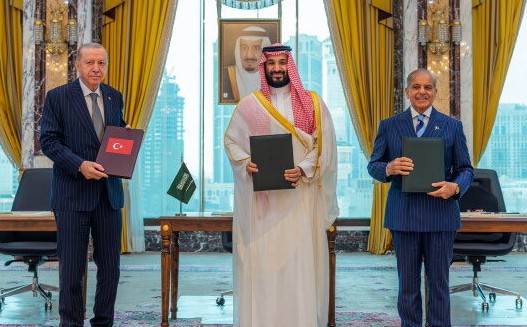
The agreement was signed virtually on the American side by Trump and the US vice-president, JD Vance, while Iran’s parliament speaker, Mohammad Bagher Ghalibaf, signed on behalf of Tehran.
Read also: Netanyahu’s War, America’s Blood – The trap being set in the Persian Gulf
What the agreement contains
The MoU is structured around three broad pillars – military de-escalation, economic relief, and a framework for nuclear negotiations.
The immediate priority is the cessation of hostilities. Both sides have committed to ending military operations across active theatres, including those linked to the wider regional conflict. The agreement is also expected to facilitate the reopening of the Strait of Hormuz and the removal of restrictions that have affected commercial maritime traffic.
Beyond the military provisions, the economic component appears to be among the most significant aspects of the deal from Tehran’s perspective.
Iranian accounts of the agreement indicate that sanctions affecting oil and petrochemical exports will be suspended during an initial 60-day implementation period. The framework also envisages the phased release of frozen Iranian assets and discussions on large-scale economic reconstruction assistance.
American officials have acknowledged that sanctions relief and access to frozen funds form part of the broader understanding, although the precise sequencing and scope remain unclear.
The nuclear provisions are deliberately limited. Rather than settling the issue, the agreement creates a 60-day negotiating window during which both sides are expected to work towards a more comprehensive arrangement.
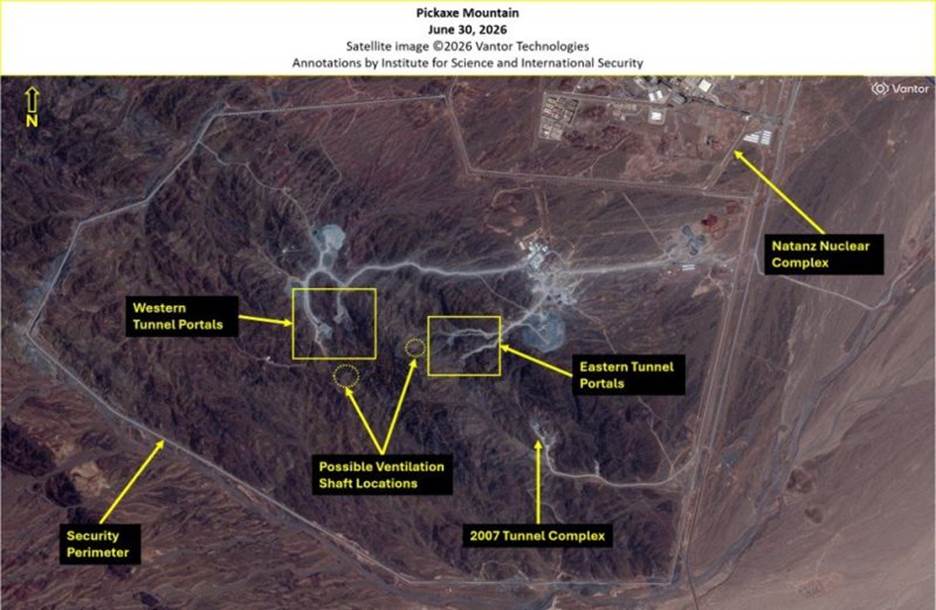
Iran has reportedly agreed to suspend certain nuclear activities during this period, while allowing international inspectors to return. Washington, meanwhile, has signalled a willingness to explore mechanisms under which Iran’s existing stockpile of highly enriched uranium could be managed within a future agreement under enhanced international monitoring.
Notably absent from the framework are Iran’s ballistic missile programme and its relationships with regional armed groups such as Hezbollah, Hamas, and the Houthis. Tehran has consistently described these issues as non-negotiable, and their exclusion reflects both the limits of the current agreement and the difficulties negotiators will face in the coming weeks.
Read also: Iran is winning the war – and Washington knows it
Relief for energy markets
Financial markets reacted positively to the announcement.
Oil prices fell as traders reassessed geopolitical risk following confirmation that the Strait of Hormuz would return to normal operations. Much of the surge witnessed during the conflict had been driven by fears of prolonged disruption rather than a structural shortage of supply.
For India, the development carries particular significance.
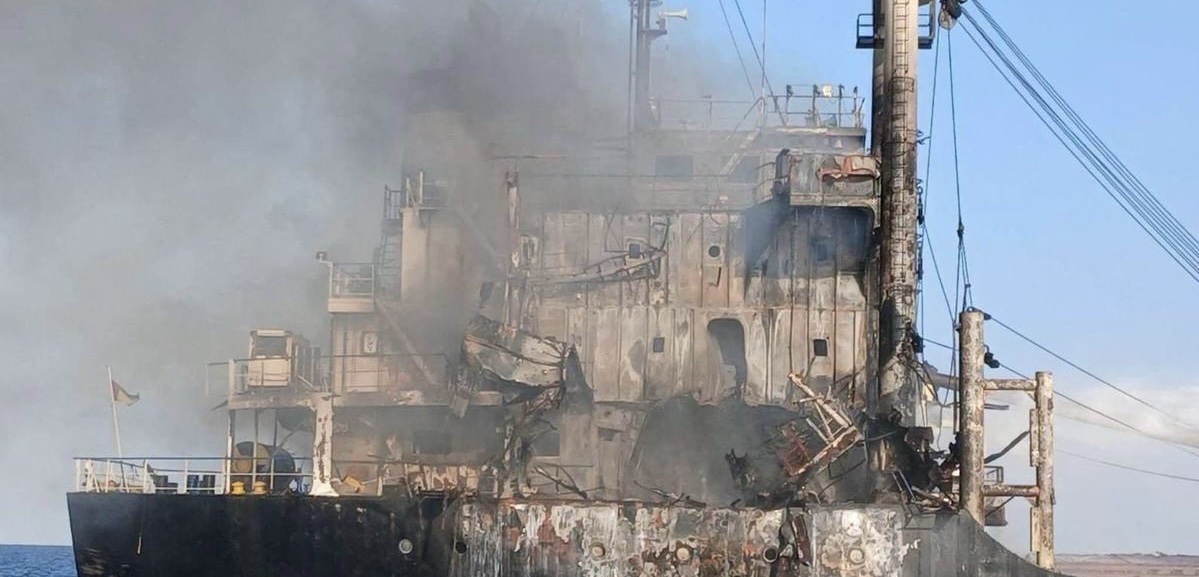
India remains heavily dependent on energy imports from the Gulf, and any disruption in Hormuz directly affects freight costs, import bills, inflation, and broader macroeconomic stability. During the conflict, concerns over supply security prompted close monitoring by policymakers in New Delhi, particularly as shipping traffic through the Gulf of Oman came under threat.
The war also acquired a human dimension for India. Several Indian seafarers found themselves aboard vessels operating in dangerous waters during the conflict, highlighting the vulnerability of the country’s maritime workforce to geopolitical crises far from Indian shores.
New Delhi consistently supported de-escalation efforts throughout the conflict and reiterated its support for dialogue, regional stability, and freedom of navigation.
Should the ceasefire hold and energy flows normalize, India could benefit from lower crude prices in the second half of 2026, easing inflationary pressures and reducing pressure on public finances.
Israel livid over deal
While Washington and Tehran have presented the agreement as a diplomatic breakthrough, Israel has reacted with visible unease. Israeli officials were not directly involved in the negotiations and have publicly criticized key aspects of the arrangement.
Their central objection is that the deal addresses neither Iran’s missile capabilities nor the network of armed groups that Tehran supports across the region. From Israel’s perspective, those issues represent the principal security challenge posed by Iran.
Israeli leaders have argued that sanctions relief and access to frozen assets could strengthen Iran economically without reducing the military capabilities that concern Tel Aviv most. Senior members of both the governing coalition and opposition have criticized the negotiations, with some arguing that military pressure was producing results and should not have been interrupted.
The disagreement highlights a recurring fault line in US-Iran diplomacy. Agreements that focus primarily on nuclear restrictions often leave unresolved the broader regional security questions that drive tensions between Iran and its adversaries.
That challenge remains very much alive.
Tehran’s claim of strategic victory
Iranian officials have portrayed the agreement as evidence that military resilience forced Washington to negotiate. Senior figures in Tehran argue that Iran successfully defended its core interests, preserved key strategic capabilities, and secured economic concessions without abandoning what it regards as its essential security policies.
The messaging reflects a broader Iranian effort to frame the outcome as a political victory rather than a compromise.
The position of Iran’s new supreme leader, Mojtaba Khamenei, will be particularly important. Having assumed leadership following the death of his father during the February strikes, he faces the difficult task of balancing domestic expectations, economic pressures, and strategic calculations. His public silence thus far suggests that Tehran’s leadership is still managing the internal politics surrounding the agreement.
Public opinion inside Iran appears mixed. Many Iranians welcome the prospect of peace and economic relief after months of conflict, while others remain sceptical that any sanctions easing will produce meaningful improvements in daily life.
Harder negotiations begin now
The ceasefire itself may prove to be the easiest part of the process. The next 60 days will require negotiators to address issues that have repeatedly derailed previous attempts at reconciliation. These include the future of uranium enrichment, verification mechanisms, sanctions relief, access for international inspectors, and security guarantees for all parties.
The challenge should not be underestimated.
The 2015 nuclear agreement required years of painstaking diplomacy under far less volatile circumstances. Today’s negotiations are taking place after a major regional war, the killing of Iran’s supreme leader, attacks across multiple countries, and a breakdown of trust that was already hanging by the thread before the conflict began.
The current framework deliberately postpones many of the most contentious questions in order to secure an immediate cessation of hostilities. That approach may have been necessary to stop the fighting, but it also means the most difficult decisions have merely been deferred.
For now, the agreement has achieved two significant objectives: it has ended active warfare and restored the prospect of normal shipping through the Strait of Hormuz. Given the scale of the disruption caused by the conflict, that alone represents a major diplomatic achievement.
Whether Geneva becomes the venue for a broader settlement or merely the staging ground for the next phase of confrontation will depend on whether the coming negotiations can bridge differences that have defined US-Iran relations for more than four decades.
Follow us on social media for quick updates, new photos, videos, and more.
X: https://x.com/indiasentinels
Facebook: https://facebook.com/indiasentinels
Instagram: https://instagram.com/indiasentinels
YouTube: https://youtube.com/indiasentinels
© India Sentinels 2026-27